

Yella Umbrella launches Stellar Suite for hybrid AI and human dubbing
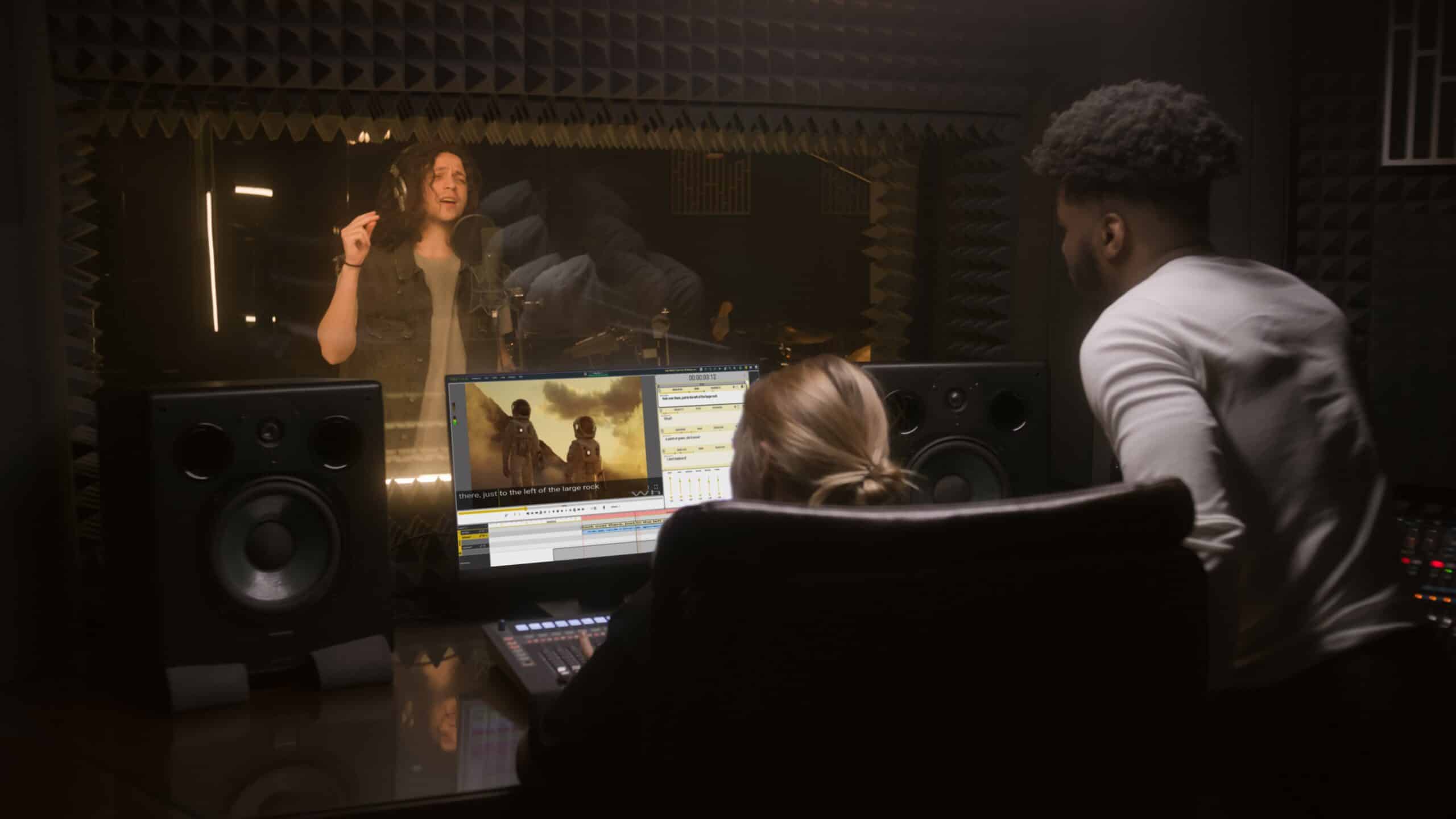
Yella Umbrella introduces its Stellar Suite, a platform designed for hybrid dubbing workflows that combine human talent, AI voice generation, and automation for multilingual content delivery. The suite uses AI-assisted translation, respeaking, and voice cloning, along with human oversight, to boost efficiency, cut costs, and accelerate content production for streaming. It emphasizes workflow orchestration to integrate best-of-breed AI services and human input within a single environment.
Key Takeaways
- Hybrid casting allows assigning human actors to lead roles while using AI for secondary characters or narration
- Stellar Suite integrates with multiple AI voice providers including ElevenLabs, Respeecher, and Amazon Polly
- Parallel production features enable simultaneous script adaptation, voice recording, and AI rendering
- Workflow blueprints automate repetitive tasks such as diarization, machine translation, and format conversion
- Platform supports remote dubbing with real-time session supervision and industry-standard TPN security
Why It Matters
The Stellar Suite directly addresses the scalability gap between traditional studio dubbing and fully automated AI localization. By allowing a granular, role-by-role choice between human and synthetic voices, streaming services can rationalize localization spend without surrendering the creative nuance required for premium titles. This middle-ground approach is critical as platforms migrate toward global, day-and-date release schedules that exceed the capacity of physical studios. Strategically, it signals a move away from 'AI vs. Human' binary debates toward integrated workflow orchestration. Watch for adoption rates among mid-tier FAST and AVOD platforms, which must volume-localize catalogs while managing high churn risks associated with poor-quality synthetic audio.
Additional Context
The global AI dubbing market is undergoing rapid expansion, with recent estimates from Research and Markets (July 2025) projecting a rise from $897 million in 2024 to $3.57 billion by 2034. This growth is increasingly driven by the 'human-in-the-loop' model, which experts suggest can reduce costs by 60-86% compared to traditional studio methods. Per Speeek.io (July 2025), major platforms like YouTube and Amazon Prime Video have already begun deploying large-scale AI dubbing pilots to monetize back-catalog content that previously lacked localized tracks due to prohibitive costs. In the educational sector, Coursera reported its AI-dubbed courses in four languages reached 800 million new speakers in early 2025.
However, technical adoption is now meeting a tightening regulatory and ethical landscape. According to TransparentAudio.ai (August 2025), the EU AI Act’s transparency obligations began to take effect in mid-2025, with full enforcement of mandatory AI-content labeling coming in August 2026. This requires any synthetic voice to be clearly identified, particularly when models could be mistaken for real persons. Simultaneously, legally recognized protections for voice talent have solidified; per Holon Law (December 2025), Tennessee's ELVIS Act has become a national benchmark in the U.S., extending right-of-publicity protections specifically to AI-generated voice clones. Consequently, 2026 is seeing a rise in AI-specific addenda to talent contracts to ensure explicit consent and compensation for digital replicas.
Read full article at yellaumbrella.com
Enjoy our coverage?
Add StreamingMeme as a preferred source on Google to see more of our streaming news at the top of your Search results.
Add as preferred source