

Xbox weighs ad-supported Game Pass after 50% price hike costs millions of users
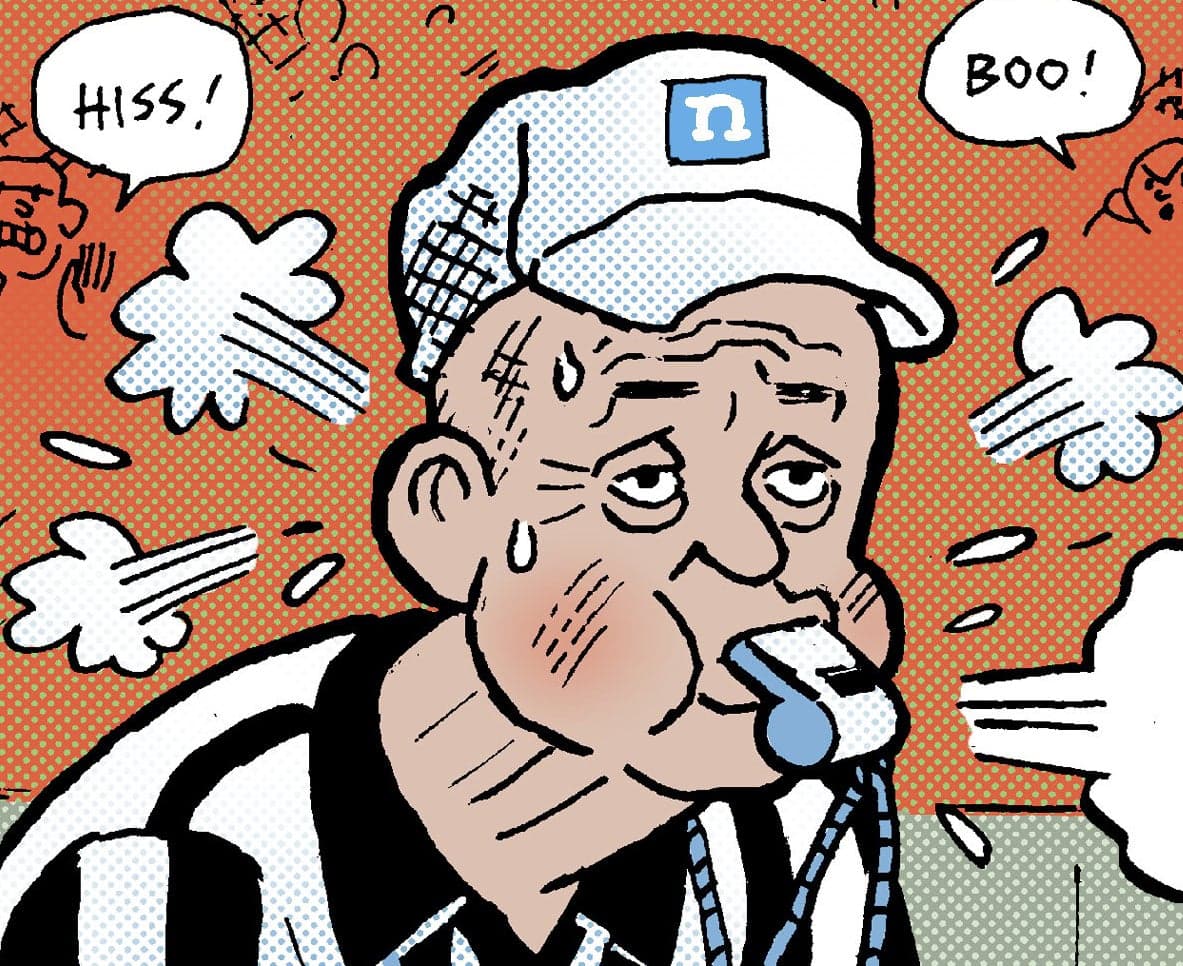
Nielsen continues to lose patent infringement lawsuits against measurement startups Hyphametrics and TVision, with TVision winning a recent jury trial. Meanwhile, Microsoft's Xbox division is exploring ad-supported models, including programmatic ads, as a strategy to offset console manufacturing costs and address Game Pass subscriber losses.
Key Takeaways
- Xbox lost millions of Game Pass members following a price hike from $20 to $30 in late 2025.
- Nielsen lost multiple patent infringement jury trials against startup rivals TVision and Hyphametrics.
- CEO Asha Sharma has reduced the Game Pass Ultimate price to $23/month as part of a reset strategy.
- Xbox enters 2026 with potential plans for programmatic home screen ads or ad-supported cloud gaming.
- Litigation between Nielsen and measurement startups has spanned four years with no significant Nielsen wins.
Why It Matters
Microsoft's pivot toward an ad-supported Game Pass tier signals a shift in the gaming hardware model, which currently struggles with declining console sales and higher manufacturing expenses. By mirroring the ad-tier growth seen in platforms like Netflix and Disney+, Xbox aims to lower the entry barrier for cost-conscious players. For the measurement sector, Nielsen’s legal setbacks against Hyphametrics and TVision suggest that incumbent dominance is failing to stall the rise of panel-based data startups. Watch for the official launch of an ad-supported cloud gaming SDK to verify Microsoft’s ability to monetize non-subscribers through non-disruptive placements.
Additional Context
The strategic reset at Xbox follows a tumultuous period where the division trailed Sony’s PlayStation in hardware sales and faced internal cost-cutting measures. Per GamesRadar and GameSpot (June 2026), the 50% price hike in October 2025 was a primary driver for the 'millions' of subscriber losses disclosed by CSO Matthew Ball. In response, Microsoft recently adjusted the Game Pass Ultimate price to $23 per month and removed the 'Day One' access benefit for the Call of Duty franchise, creating a clearer value distinction between price points. This move aligns with CEO Asha Sharma's broader focus on flexible offerings to combat an affordability crisis in the console market.
In the measurement space, Nielsen’s litigation strategy reflects a broader industry tension as traditional ratings give way to cross-platform and attention-based metrics. Per StreamTV Insider (April 2025) and judicial records from June 2026, Nielsen has pursued multiple lawsuits in the District of Delaware alleging infringement on audio recognition and smart TV data patents. Despite these efforts, startups such as TVision and Hyphametrics have successfully argued that Nielsen’s claims lacked technical evidence or directed toward unpatentable concepts. TVision has also filed antitrust counterclaims, alleging that Nielsen attempted to block competition by refusing to renew critical technology licenses, such as those from Gracenote, which Nielsen acquired in 2017.
Technologically, the shift toward programmatic console advertising is maturing. Per The Drum and HotHardware (June 2026), programmatic home screen placements and in-console QR tracking are being positioned as a performance-driven revenue stream for 2026. This ecosystem allows advertisers to link console ad exposure directly to mobile installs, a capability previously hindered by attribution barriers. As Microsoft continues to integrate its gaming properties with its broader Ads identity graph, the company is following a path similar to Google’s absorption of Fitbit, leveraging sensitive user data to strengthen its hardware competitiveness and advertising reach.
Read full article at adexchanger.com
Enjoy our coverage?
Add StreamingMeme as a preferred source on Google to see more of our streaming news at the top of your Search results.
Add as preferred source