

X faces highest-level protest over deepfake ads impersonating Nigel Farage
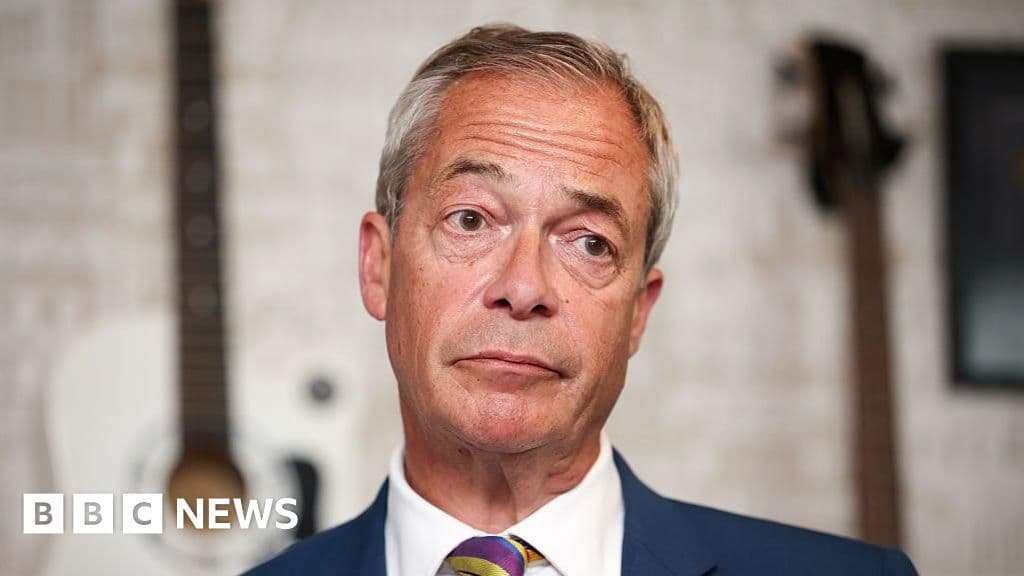
Reform UK and the Bank of England have reported fake AI-generated ads on X, depicting Nigel Farage and Andrew Bailey promoting cryptocurrency scams. The ads have repeatedly appeared to UK users, prompting calls for platform moderation and raising concerns about synthetic media deception in digital advertising. This incident highlights critical moderation issues for X and the Bank of England's efforts to combat digital scams.
Key Takeaways
- Reform UK escalated its complaint to X's 'highest level' on June 8 to demand the immediate removal of synthetic ads.
- The ads utilize deepfake imagery of a fake BBC Question Time set to visualize Farage and Bailey fighting.
- Multiple fraudulent ads were disseminated via verified X Premium accounts, some accruing over 10,000 views per X’s metrics.
- The Bank of England issued a formal warning that neither the institution nor its staff endorse any financial products or apps.
- Clickable 'play' buttons in the ads served as deceptive links redirecting users to external crypto scam domains.
Why It Matters
The incident exposes a critical gap in automated ad moderation where high-profile deepfakes bypass platform safety checks through paid verification tiers. For streaming and digital media companies, this signals a growing risk that synthetic disinformation can be weaponized within the ad-supported economy to hijack credible IP like news broadcasts. As scammers adopt sophisticated AI to bypass standard filters, platforms face increasing pressure to verify the identity of automated accounts. Stakeholders should monitor whether UK regulators move beyond warnings toward punitive enforcement under the Online Safety Act, specifically targeting the misuse of paid verification for spreading deceptive synthetic media.
Additional Context
The surge in deepfake ads follows a period of heightened legal and regulatory pressure for X and its AI subsidiary, xAI. Per reporting from the End Violence Against Women coalition in June 2026, xAI is currently facing a High Court legal action in the UK over its Grok AI tool’s role in creating non-consensual imagery. This suit aims to establish a legal precedent for 'safety by design,' holding platforms liable for the foreseeable harms of their generative tools. These developments coincide with the UK government’s June 2026 announcement of a three-month deadline for tech companies to activate more effective blocking technologies for illegal AI content, with Prime Minister Keir Starmer noting that criminal liability for executives remains a last resort.
While X has recently undergone what it described as its biggest ad system refresh in April 2026—integrating xAI models to improve targeting—critics argue the platform’s reliance on automated moderation struggles with the scale of AI-generated fraud. According to a May 2026 data spotlight from the U.S. Federal Trade Commission, financial losses from social media scams reached $2.1 billion in 2025, with a significant portion originating from deceptive online advertisements. Competitors have taken different paths; per Meta’s March 2026 update, they are pushing toward a 90% advertiser verification mandate by the end of the year to combat 'celeb-bait' and brand impersonation. Meanwhile, Ofcom is currently reviewing its Illegal Content Codes, which are expected to enter into force in autumn 2026, requiring platforms to use proactive technology like 'hash-matching' to detect and remove harmful synthetic content before it reaches users.
Read full article at bbc.com
Enjoy our coverage?
Add StreamingMeme as a preferred source on Google to see more of our streaming news at the top of your Search results.
Add as preferred source