
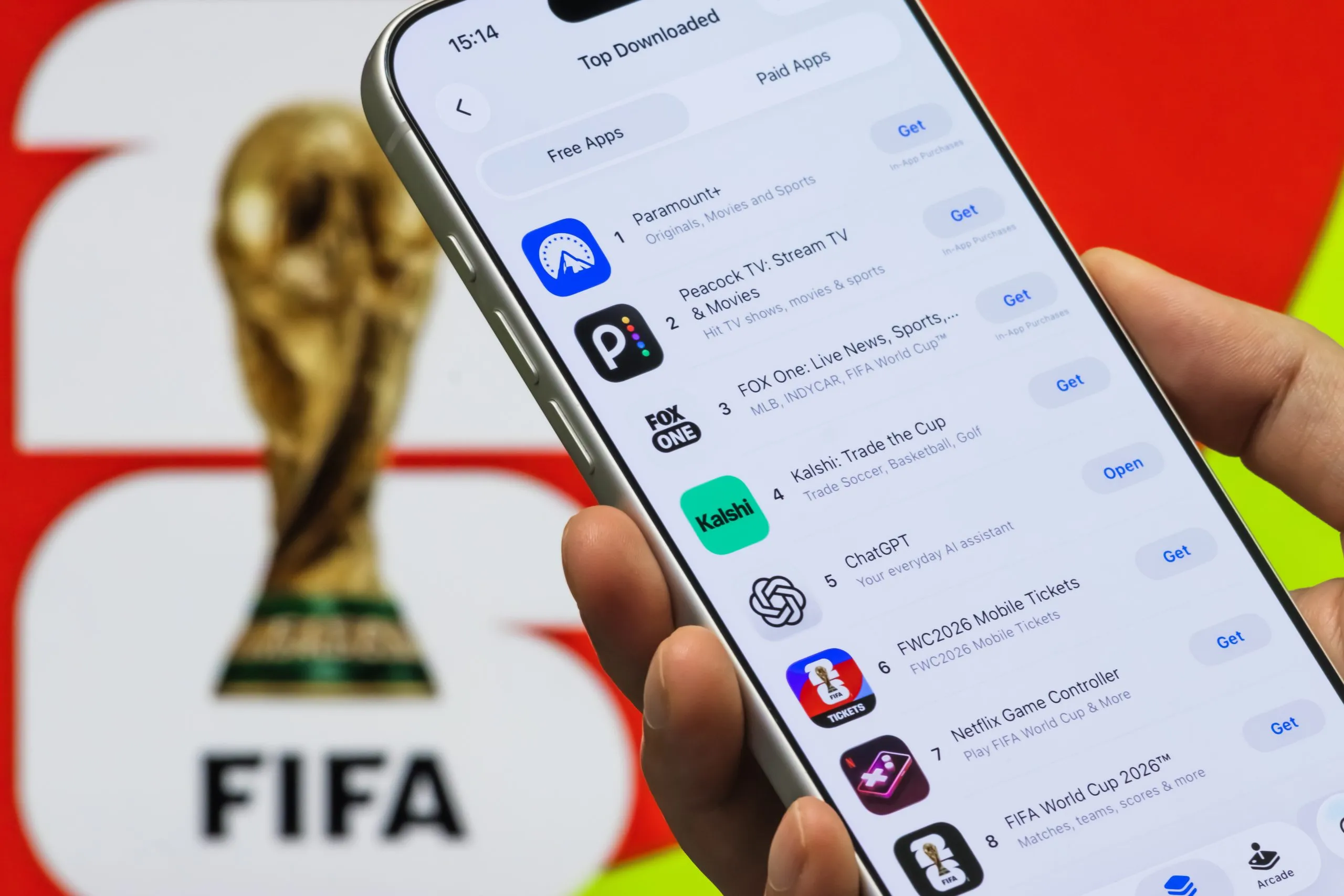
SportsPro explores how sports rights-holders are shifting toward first-party gamification and predictive engagement tools to convert broadcast audiences into identified, addressable data profiles. This trend is driven by regulatory restrictions on cash-wagering platforms like Kalshi and Polymarket, pushing leagues to build proprietary engagement features to retain fan data.
The $10 billion prediction-market volume during the World Cup confirms that active participation has surpassed passive viewing as the dominant engagement model for sports fans. For the streaming ecosystem, this shifts the strategic goal from simple audience measurement to building first-party data flywheels. Rights-holders who integrate gamification directly into their apps gain behavioral signals that third-party platforms normally capture and resell. This allows leagues to bypass regulatory hurdles while offering sponsors hyper-personalized targeting. Watch for a rise in 'event contract' clones launched by major broadcasters to recapture this $10 billion liquidity as cash-based venues face further geoblocking.
The surge in prediction market activity during the 2026 World Cup coincides with a broader global crackdown on unlicensed event-trading platforms. Per The Guardian, May 2026, Spanish authorities blocked access to Polymarket and Kalshi for operating without specific administrative licenses, following similar actions in Brazil and Indonesia. This regulatory friction is driven by concerns over market integrity and consumer protection, particularly regarding platforms that facilitate trades on 'uncertain future outcomes' without standard gambling safeguards. In the U.S., the legal landscape remains fractured. Per Gambling Insider, June 2026, nine European regulators signed a joint declaration to target unlicensed prediction platforms, just as Minnesota became the first U.S. state to pass a law explicitly banning such sites.
Simultaneously, major sportsbooks are moving aggressively to absorb this demand. Per Front Office Sports, July 2026, DraftKings and FanDuel have both launched dedicated prediction market apps—DraftKings Predictions and FanDuel Predicts—to operate in U.S. states where traditional sports wagering is not yet legal. These products are framed as financial 'event contracts' to exploit a federal regulatory window managed by the CFTC. This strategic pivot by betting giants underscores the risk to sports leagues: if rights-holders do not build proprietary gamification tools, their most engaged fans will be captured by these external platforms. Consequently, data companies like Sportradar and Genius Sports are reporting record demand for 'gamification-as-a-service.' Per Genius Sports, May 2026, the company increased its full-year revenue guidance to over $1 billion following its acquisition of fan-engagement platform Legend, signaling that the ability to convert passive viewers into 'players' is now the core growth engine for sports media technology.
Add StreamingMeme as a preferred source on Google to see more of our streaming news at the top of your Search results.
Add as preferred source