
The article analyzes the rise of predictive gaming and gamification tools as a strategy for rights-holders to increase fan engagement and capture behavioral data. It proposes that rights-holders should develop first-party, free-to-play predictive features to mitigate regulatory risks associated with third-party betting markets.
The surge in prediction market volume suggests fans are moving away from passive viewing toward active stake-holding. For streaming platforms and rights-holders, this necessitates a shift in the tech stack from one-way broadcasts to interactive, data-rich environments. By integrating free-to-play prediction layers, platforms can bypass regulatory friction in restricted markets like the EU and Asia while building addressable first-party audience segments. This transition allows leagues to monetize fan intent directly, rather than relying on third-party betting affiliates that silo valuable behavioral data. Watch for rights-holders to integrate real-time 'micro-predictions' directly into live streams as a primary retention metric.
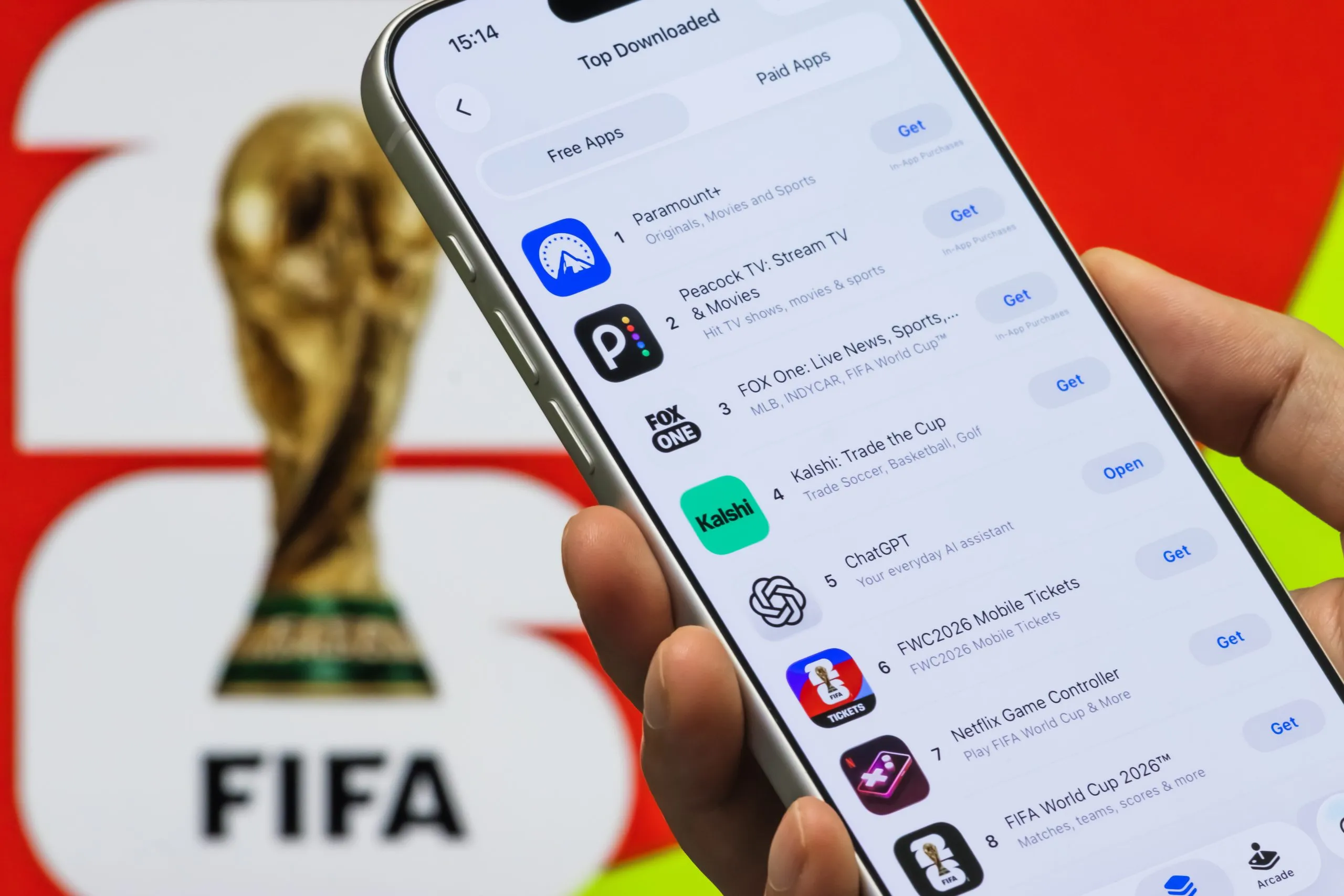
The 2026 World Cup marked a significant expansion in the prediction market sector, fueled partly by the tournament’s growth to 48 teams. Per CNBC in July 2026, the increased number of matches created unprecedented liquidity, with knockout-stage markets for matches like Canada vs. Morocco generating over $74 million in combined volume across Kalshi and Polymarket. This growth occurred against a backdrop of intensifying legal scrutiny; by March 2026, nearly a dozen U.S. states had moved to regulate or block these platforms under existing gambling frameworks, leading to a jurisdictional conflict with the CFTC, which maintains oversight of commodity derivatives.
Globally, the regulatory landscape for interactive sports remains fragmented. According to iGaming Business in July 2026, European regulators like ESMA have begun treating certain event contracts as restricted binary options, requiring stricter compliance for firms targeting EU residents. Similarly, Spain’s Ministry of Social Rights opened a public consultation in May 2026 to modernize its gambling laws, specifically targeting digital advertising and influencer-led promotions. These moves have accelerated the development of 'social' sports models that utilize gaming mechanics without cash stakes to maintain compliance across diverse geographies.
Enterprise solutions like SI’s FanOS are stepping into this gap, offering modular 'Fan Engagement Operating Systems' that prioritize identity-revealing participation. This trend is mirrored in the broader streaming industry; according to Streaming Media Global in late 2025, nearly half of all sports viewers are expected to migrate to interactive streaming environments by 2027. This shift is driving a 'participation model' where real-time data visualization and in-stream polling are no longer secondary features but foundational components used to drive higher ad-tier ARPU and long-term fan loyalty.
Add StreamingMeme as a preferred source on Google to see more of our streaming news at the top of your Search results.
Add as preferred source