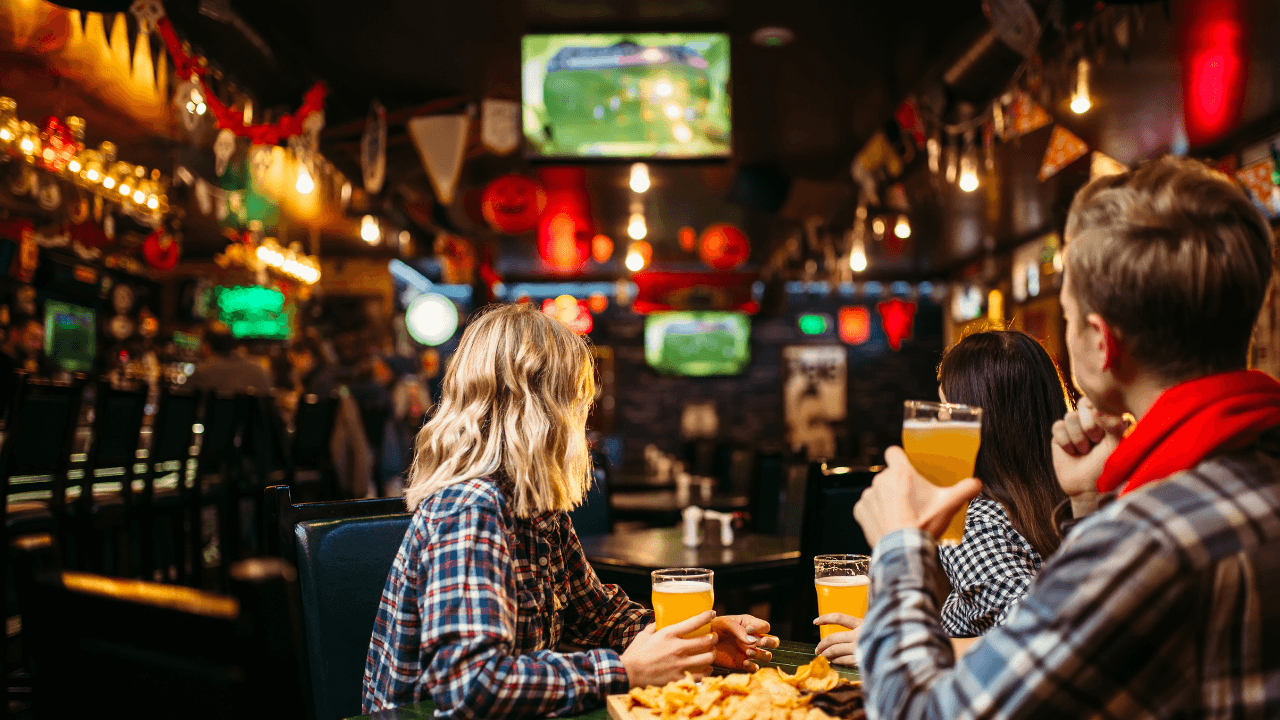
Content distributors, streamers, and pay TV providers are investing in a "surround-sound" experience around the 2026 World Cup to engage global, digital-first audiences. This strategy involves creating adjacent content and continuous experiences, from analysis to betting integrations, to build lasting loyalty beyond the live matches. Companies aim to use audience insights to continuously optimize content and blur the lines between traditional broadcast, social media, and personalized experiences.
The focus on adjacent content signifies a shift where live match rights are no longer sufficient to guarantee ROI; platforms must now own the entire fan lifecycle to justify high licensing costs. For the technical stack, this requires low-latency infrastructure capable of supporting interactive overlays like betting and social feeds without degrading the primary 4K broadcast. This ecosystem-wide integration forces a move away from siloed apps toward unified sports hubs. Watch for the conversion rate of casual tournament viewers into year-round subscribers for auxiliary league content as the primary metric for success.
The 2026 FIFA World Cup's expanded 48-team format, producing 104 matches across 16 host cities in the United States, Canada, and Mexico, has forced rights holders to develop continuous programming strategies that extend well beyond live match broadcasts. Telemundo and Peacock have responded with the most ambitious Spanish-language World Cup presentation in U.S. history. Telemundo will broadcast 700 hours of World Cup programming from June 11 to July 19, 2026, including all 104 matches live, with 92 airing free over-the-air and every match streaming on Peacock. The platform introduced features directly aligned with the adjacent-content ecosystem strategy, including Vision de Campo (a vertically optimized multi-angle mobile viewing experience), live picks and trivia integrated into the Peacock app, and Multiview for simultaneous match viewing on living-room devices.
The commercial stakes around these integrated strategies are already reshaping rights negotiations. Telemundo's EVP of Sports Joaquin Duro confirmed that NBCUniversal has had conversations with FIFA about extending World Cup media rights, potentially combining English and Spanish coverage under one roof. Telemundo drew almost half of all U.S. World Cup viewers during the 2026 group stage, with its Peacock streaming audience up 251% compared to 2022, driven by the platform's growth from 18 million homes to nearly 50 million. Duro credited a retention strategy focused on analysts and content from a wide range of nations, supplemented by social media, a FAST channel, and YouTube live look-ins. Industry analysts noted that FIFA would be unlikely to split rights between two broadcast partners again for 2030, a shift that would consolidate the adjacent-content ecosystem under a single operator.
Consumer research supports the premise that fans want unified environments rather than fragmented experiences. Deloitte's 2026 Digital Media Trends survey of 3,575 U.S. consumers found that self-identified fans have already built connected, continuous ecosystems across multiple environments but say they would prefer a single aggregated destination for content, discussions, and experiences. The report suggests that content providers who orchestate fandom experiences using nuanced knowledge about fans themselves may capture more valuable interactions and improve retention, with generative AI positioned as potential connective infrastructure. This finding directly validates the surround-sound strategy described in Xperi's analysis, where audience data drives continuous optimization of adjacent content throughout the tournament cycle.
Add StreamingMeme as a preferred source on Google to see more of our streaming news at the top of your Search results.
Add as preferred source
