

White House fast-tracks AI energy permits as data center demand surges
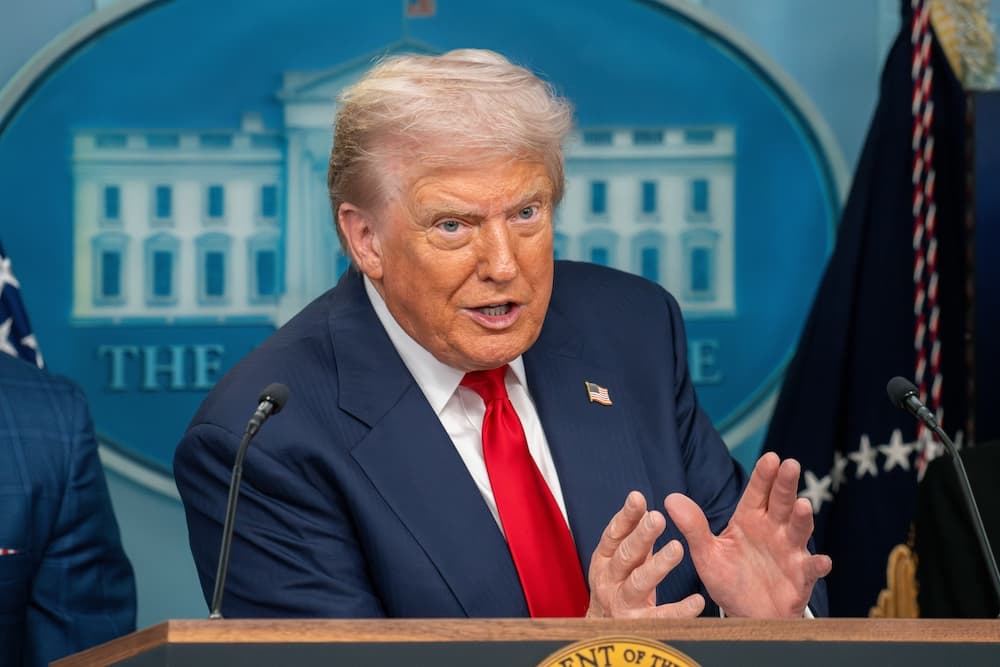
President Trump has announced an initiative to fast-track permits for energy facilities to support the rapid growth of AI data centers, aiming for approval in a matter of weeks. The plan seeks to bypass federal environmental regulations to meet the massive power demands identified by leaders of major technology companies, despite increasing local, state, and environmental pushback.
Key Takeaways
- Federal approval timelines for private power plants supporting AI data centers have been slashed to a "matter of weeks."
- Tech leaders from Meta, Amazon, OpenAI, and SpaceX were urged to submit plans for on-site, behind-the-meter generating units.
- A new Environmental Integrity Project report identifies 74 proposed gas-fired plants nationwide dedicated to serving AI data center workloads.
- The administration specifically endorsed nuclear, oil, and gas for these projects while explicitly excluding wind energy from the initiative.
Why It Matters
The federal push for rapid permitting creates an immediate regulatory vacuum that forces a confrontation between national AI supremacy goals and local grid stability. For the streaming and tech ecosystem, this signals a shift toward vertical energy integration, where companies must become power producers to ensure low-latency compute availability. However, the reliance on methane gas-fired plants risks alienating sustainability-focused investors and complicates long-term corporate carbon-neutrality pledges. Watch for whether the New York State Legislature's proposed one-year data center permit moratorium signals a broader state-led regulatory blockade that restricts federal fast-track efforts.
Additional Context
The Trump administration's permitting surge follows the March 2026 signing of the voluntary Ratepayer Protection Pledge by seven major tech firms, including Google and Microsoft. Per the Associated Press in June 2026, the pledge commits these companies to funding their own infrastructure upgrades to ensure residential electricity costs do not rise due to data center expansion. This shift toward private power generation is already visible in projects like the GW Ranch in West Texas, which per The Washington Post in February 2026, is designed to operate entirely off-grid using dedicated natural gas and solar arrays.
Simultaneously, state and local resistance is hardening despite federal efforts to loosen construction rules. In July 2026, Texas Governor Greg Abbott called for a complete prohibition on new AI data center construction in rural neighborhoods, citing concerns over water consumption and noise. This follows a June 2026 vote by the New York State Legislature to pass a one-year moratorium on permits for facilities with peak demand exceeding 20 megawatts. The Electric Reliability Council of Texas (ERCOT) further complicates the landscape, reporting in July 2026 that over 480 large-scale data centers have requested grid connections through 2032, highlighting the massive scale of pending demand.
Energy regulators at the federal level have also moved to facilitate this growth. In June 2026, the Federal Energy Regulatory Commission (FERC) voted to allow large energy users to connect more quickly to the transmission system. According to Reuters and Courthouse News, this decision aims to prevent China from gaining a competitive edge in AI while requiring tech firms to cover the costs of these expedited interconnections. These conflicting federal and state directives create a fragmented regulatory map for B2B streaming and cloud infrastructure providers planning multi-state footprint expansions.
Read full article at sacurrent.com
Enjoy our coverage?
Add StreamingMeme as a preferred source on Google to see more of our streaming news at the top of your Search results.
Add as preferred source