

UK fines Sabre £1M over digital service access to Russian airline
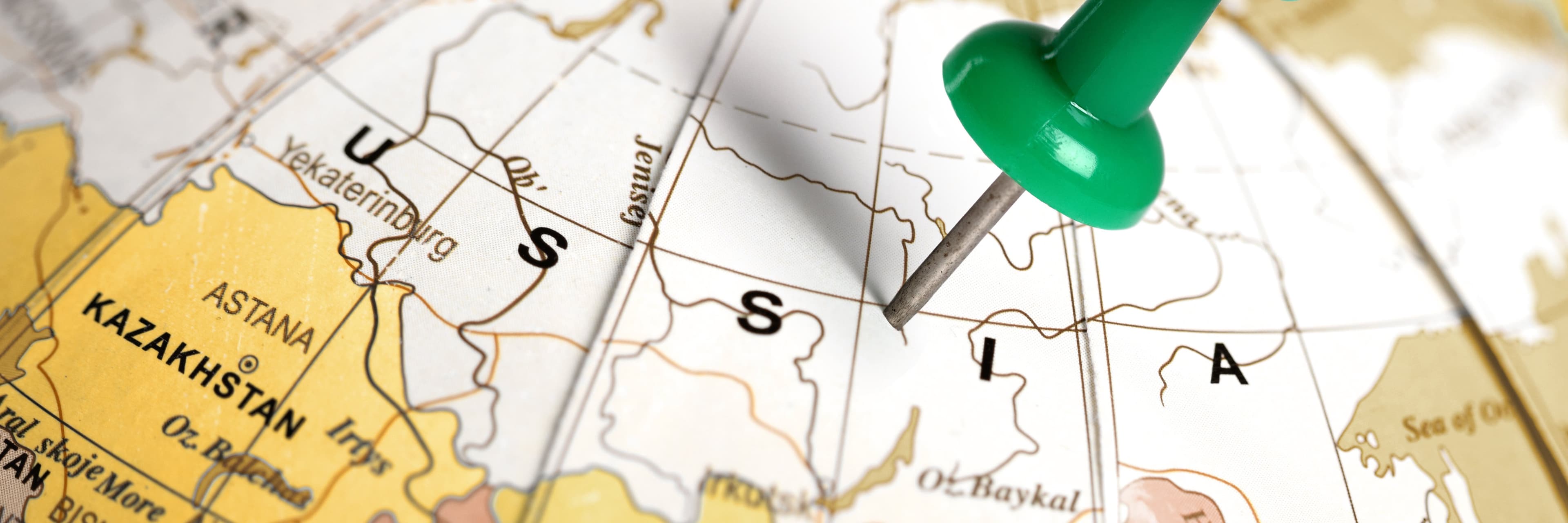
The UK Office of Financial Sanctions Implementation has fined travel technology firm Sabre Global Technologies over £1 million for providing SaaS access to a designated entity, Ural Airlines. The ruling establishes that providing ongoing access to a software platform constitutes an economic resource, necessitating that technology vendors develop and test rapid, engineering-led service suspension capabilities.
Key Takeaways
- OFSI imposed a £1,000,920 penalty on Sabre Global Technologies for three breaches of the Russia (Sanctions) Regulations 2019.
- Regulators defined seven months of continued access to Sabre's Global Distribution System as the provision of prohibited economic resources.
- Sabre's attempt to route a $200 test payment through US bank accounts was classified as an aggravating circumvention offense.
- The enforcement action highlights that SaaS, APIs, and cloud tenancies are subject to trade sanctions regardless of whether payments are successfully received.
Why It Matters
This case creates a critical precedent for the streaming and SaaS sectors by shifting compliance from the finance office to the engineering stack. Regulators now view the uptime of a digital service as a tangible economic asset, meaning platform design must support the granular, instantaneous suspension of specific accounts or territories. For streaming infrastructure providers, this underscores a requirement to move beyond simple payment blocking and toward integrated 'kill switches' that can isolate customers within hours. As global regulators move toward real-time enforcement, vendors without verified service-suspension testing face heightened exposure to circumvention charges and massive civil penalties. Watch for OFSI to increasingly target ‘enablement networks’ like AI and cloud hosting.
Additional Context
The Sabre penalty marks a milestone in the UK’s aggressive pivot toward digital enforcement. Per HM Treasury and the Office of Trade Sanctions Implementation (OTSI), which issued its first trade sanctions guidance in January 2025, software provided via app or SaaS is now a primary focus of sectoral prohibitions. By May 2025, OFSI reported that Russia-linked frozen assets reached £28.7 billion, nearly triple the previous year's total. This intensification mirrors activity in the U.S., where the Department of the Treasury's Office of Foreign Assets Control (OFAC) reached record civil penalties exceeding $254 million in 2025, per Cogency Global reporting from December 2025.
Technical compliance has become a flashpoint for major platforms. The volatility of this environment was demonstrated in June 2026 when the US Department of Commerce used its export-control powers to order Anthropic to suspend access to its Claude Fable 5 and Mythos 5 AI models for all foreign nationals. Per Forbes and Axios (June 2026), Anthropic was forced to execute a universal shutdown of those models for all customers worldwide because its architecture could not reliably verify user nationality in real time.
Regulatory expectations have fundamentally shifted toward proactivity. OFSI recently reported that as of April 2025, it was managing 240 active cases, with over 60% of leads now originating from proactive intelligence rather than voluntary self-disclosures, per HM Treasury. This shift suggests that platforms can no longer rely on 'don't-ask-don't-tell' contract renewals; if the service can continue running without a license, the provider remains daily liable for the provision of an economic resource to a sanctioned entity.
Read full article at computerweekly.com
Enjoy our coverage?
Add StreamingMeme as a preferred source on Google to see more of our streaming news at the top of your Search results.
Add as preferred source