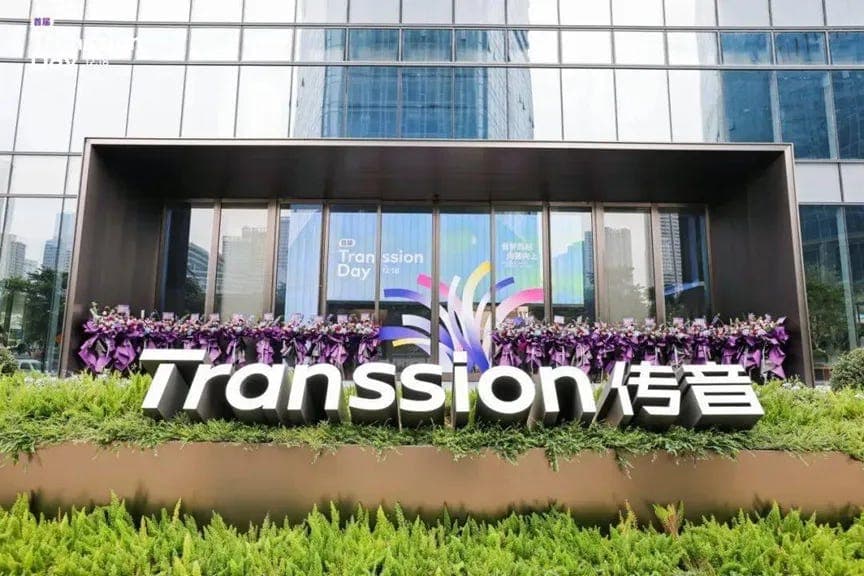
The China National Intellectual Property Administration (CNIPA) has invalidated an InterDigital 4G patent following a challenge by Transsion, ruling that the patent lacked an inventive step. This decision marks the first merits-based victory for Transsion in its ongoing patent dispute with InterDigital in the Chinese market.
The invalidation of InterDigital 4G patent ZL2014100424846 strengthens Transsion's leverage in licensing negotiations as standard-essential patent (SEP) owners face increasing scrutiny in Chinese administrative courts. This victory demonstrates that even amended claims can be struck down if they do not sufficiently exceed the prior art established in 3GPP standards. For the streaming and mobile ecosystem, this outcome highlights the volatility of patent portfolios that underpin video delivery and 4G/5G connectivity. Investors and strategists should monitor whether this decision sets a precedent for Transsion’s three remaining challenges at CNIPA, which could force InterDigital toward a global settlement similar to the one Transsion recently reached with Ericsson.
The dispute between Transsion and InterDigital is part of a broader, multi-front legal battle. In July 2026, the Delhi High Court ordered Transsion to pay a pro tem security deposit to InterDigital while the court deliberates on an interim injunction related to 3G, 4G, 5G, and HEVC video coding technologies. Per Livemint, the court rejected Transsion’s argument that foreign invalidations should prevent such a deposit, noting that while some counterparts were invalidated in China, courts in the U.K. and Brazil have recently upheld the validity of similar InterDigital patents.
This legal pressure follows InterDigital’s success in Brazil, where the 3rd Regional Business Court of Rio de Janeiro issued a preliminary injunction against Transsion in April 2026. According to InterDigital, that ruling prevented Transsion from selling 5G-compliant devices in Brazil after an expert report confirmed the essentiality of two patents and the fairness of InterDigital's FRAND offer.
Transsion, which holds a 9% global smartphone market share as of Q3 2025 according to IDC, has been aggressive in clearing its licensing hurdles. Per ip fray, the company announced a global cross-license settlement with Ericsson in July 2026, ending litigation across several jurisdictions including India, Brazil, and the Unified Patent Court. The settlement with Ericsson, which follows previous deals with Nokia, Qualcomm, and Huawei, leaves InterDigital as one of the last major holdouts in Transsion's quest to license the standard technologies essential for its Tecno, Infinix, and Itel brands.
Add StreamingMeme as a preferred source on Google to see more of our streaming news at the top of your Search results.
Add as preferred source
