

TikTok Shop bans AI voices in crackdown on automated livestreams
TikTok Shop has instituted a ban on AI-generated voices, prerecorded audio, and static-image content within U.S. promotional livestreams and shoppable videos. The update mandates real-time vocal or signed human interaction and introduces strict dynamic visual guidelines to counter low-effort loop streaming. Violations of these standards will trigger enforcement mechanisms including commission limits, content removal, and potential account bans.
Key Takeaways
- AI-generated voices and prerecorded narration are now strictly prohibited in all live commerce sessions.
- Static visuals, including slideshows and product detail screenshots, may not exceed 50% of the screen.
- Shoppable videos must include at least three seconds of dynamic motion and feature the creator's face.
- Enforcement is managed via the Creator Health Rating system, which tracks compliance on a 1,000-point scale.
- Policy aimed at protecting a platform projected to hit $23.4 billion in U.S. sales by late 2026.
Why It Matters
TikTok is drawing a strategic line between AI as a creative production tool and AI as a customer-facing representative. By mandating live human interaction, the platform is prioritizing authenticity and consumer trust over the scalability of automated storefronts. This move directly addresses 'loop streaming'—a tactic where sellers use recorded footage to maintain 24/7 presence—which currently clutters the commerce feed. For the broader industry, this signals a shift where social platforms may began penalizing 'hollow' AI content that diminishes user experience. Watch for whether Amazon or YouTube adopt similar human-in-the-loop requirements for their burgeoning live shopping features to maintain content quality as automated tools become more accessible.
Additional Context
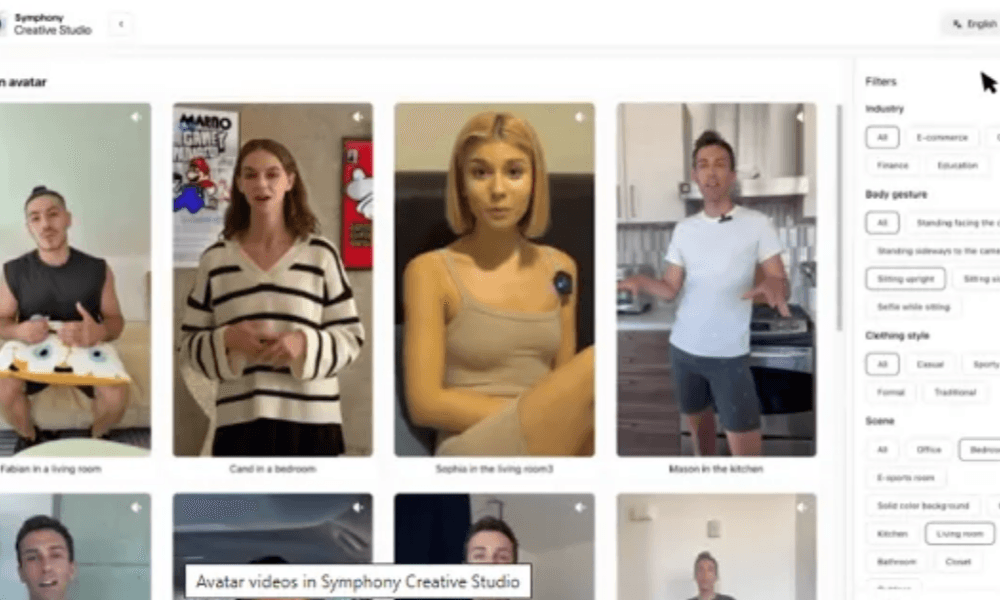
The ban on real-time AI voices arrives as TikTok simultaneously scales its 'Symphony' AI creative suite for advertisers. Launched in June 2024, Symphony allows brands to use digital 'stock avatars'—trained on paid actors—to create promotional video content. While these avatars are permitted for static ads and shoppable short-form videos, the new Shop rules effectively prevent them from displacing human hosts during live auctions and product demonstrations. This distinction highlights TikTok’s intent to keep its high-conversion livestreaming ecosystem grounded in human connection, even as it encourages AI-driven automation for top-of-funnel marketing assets.
To enforce these standards, TikTok is increasingly relying on its Creator Health Rating (CHR) system, which officially replaced the legacy 'Violation Points' structure in January 2026. Per TikTok documentation, every creator starts with a baseline of 200 points on a 1,000-point scale. Points are deducted for violations such as using banned AI audio, while creators can regain standing by passing policy quizzes or maintaining high order-completion rates. Milestone enforcements are significant: a score below 150 points results in a temporary loss of e-commerce permissions, while hitting zero points leads to permanent removal from TikTok Shop.
This move toward stricter quality control is critical as TikTok Shop matures into a major retail force. According to eMarketer reporting from late 2025, TikTok Shop GMV is expected to grow by nearly 50% year-over-year in 2026. The platform's pivot toward 'human-only' live interactions reflects consumer sentiment data from early 2026, which found that 31% of shoppers trust brands significantly less when they encounter undisclosed or poorly integrated AI content. By protecting the 'live' element of live commerce, TikTok aims to sustain the high conversion rates seen during the 2025 holiday season, where livestreams drove an 84% surge in brand sales.
Read full article at netinfluencer.com
Enjoy our coverage?
Add StreamingMeme as a preferred source on Google to see more of our streaming news at the top of your Search results.
Add as preferred source