
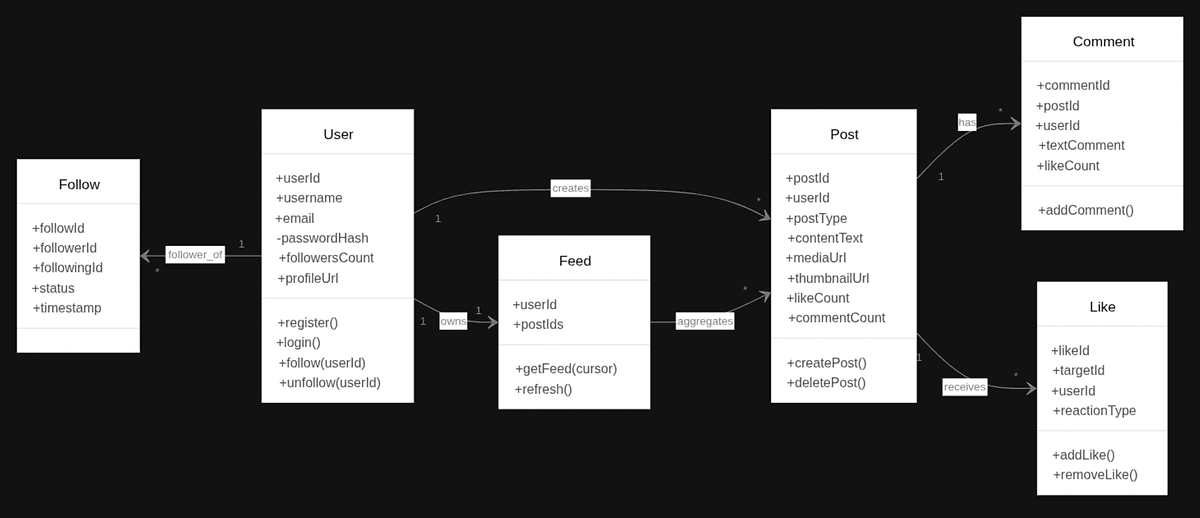
This engineering analysis outlines the high-level system architectural requirements for building a social media platform capable of supporting 500 million daily active users. It focuses on technical strategies for video ingestion pipelines, asynchronous media processing, and fanout-based feed generation to achieve sub-500ms latency.
As streaming platforms increasingly integrate social and short-form video features, architectural choices around feed generation and media ingestion determine user retention. This framework highlights the shifting technical bar in B2B engineering recruitment, where real-time video processing and 'distributed-first' thinking are now baseline requirements. For video infrastructure providers, the focus on asynchronous encoding pipelines and blob storage replication underscores the move away from synchronous monoliths. Monitoring the transition to hybrid fanout strategies is essential, as this approach directly impacts the cost-to-serve for platforms managing viral video content at scale.
The emphasis on specialized system design reflects a broader shift in big tech hiring. Per DesignGurus and Stackademic (2025-2026), Meta and Google have intensified the complexity of 'social' design prompts, now requiring candidates to detail GenAI integration and viral content optimization. Since October 2025, Meta has specifically prioritized candidates who can optimize for the 'social graph,' moving beyond basic storage to explain how content scales from ten to ten million likes within hours. This evolution coincides with Google’s 2026 return to in-person design rounds to mitigate AI-assisted interview cheating.
Functionally, Instagram’s architecture is under pressure to adapt to longer-form video. In early 2025, Meta increased Reels support to 3 minutes and launched 'Instagram Edits' as a mobile-native video suite to compete with TikTok and CapCut (per House of Marketers, May 2025). By January 2026, the platform further expanded Reels limits to 20 minutes, necessitating more robust chunk-and-encode pipelines to maintain the sub-500ms playback targets discussed in current engineering blueprints.
Meta’s 2025 updates also include 'Reels Trending Ads' and AI-enhanced video production tools, which add layers of metadata to the ingest path. As reported by Social Media Examiner (January 2025), these features allow up to 20 audio tracks per video, complicating the encoding and synthesis requirements mentioned in standard system design frameworks. For infrastructure strategists, these shifts signal that future architectures must balance heavy AI-driven creative tools with the massive read-heavy scaling demands of a global social feed.
Add StreamingMeme as a preferred source on Google to see more of our streaming news at the top of your Search results.
Add as preferred source