
A survey conducted by Bango indicates that 43% of U.S. consumers would change broadband or mobile providers for access to aggregated sports streaming bundles. The findings suggest that telecommunications providers can reduce churn by integrating third-party streaming services via technologies like Bango's Digital Vending Machine.
Telecommunications providers are shifting from mere utility pipes to essential content aggregators to combat industry-wide churn. With 42% of fans willing to pay more for integrated sports access, the technical ability to bundle disparate services like Netflix, Peacock, and ESPN becomes a critical retention tool rather than just a perk. This shift moves the monetization burden from individual app signups to wholesale telco partnerships. Watch for whether niche sports rights holders begin bypassing direct-to-consumer launches in favor of immediate integration into established telco marketplaces like Verizon’s +play.
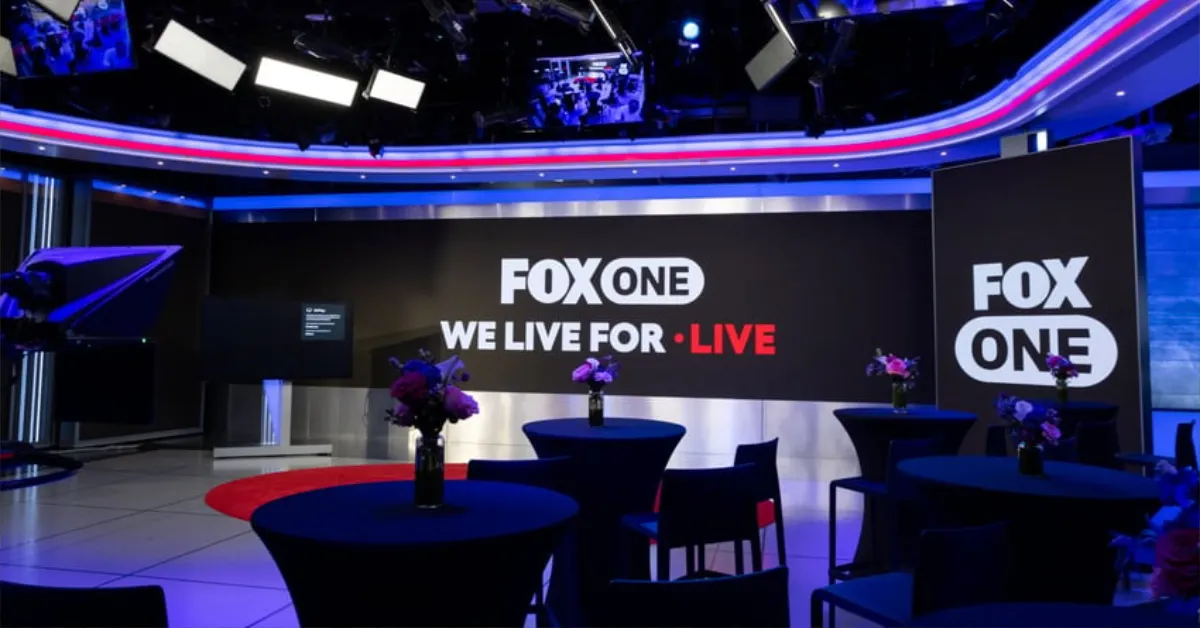
The collapse of the Venu Sports joint venture in early 2025 has left a significant gap in the market for centralized sports streaming. Per MediaPost (January 2025), partners Disney, Fox, and Warner Bros. Discovery abandoned the project following legal challenges from Fubo, which argued the venture was anticompetitive. This failure forced media giants back toward individual app strategies; for example, Fox launched its 'Fox One' SVOD service later in 2025 as a standalone destination for its sports assets, though it immediately sought distribution via third-party bundles like the Disney-ESPN-Hulu package.
Bango’s technical footprint suggests telcos are effectively standardizing on this aggregation strategy. In its FY2025 earnings report released in April 2026, Bango noted that seven of the top eight U.S. telecommunications companies have now adopted its Digital Vending Machine (DVM) platform. The company reported a 60% year-over-year increase in active subscriptions managed through its DVM, reaching 24 million as consumers increasingly seek a single 'hub' for billing. This trend is global; per The Desk (June 2026), Turkish operator Turkcell recently deployed the DVM to bundle services like HBO Max and Netflix for its 43 million subscribers.
Competitive pressures are also driving major platforms to merge and simplify. Disney officially began deep-linking Hulu content within the Disney+ app in 2024, a project that culminated in a unified technical stack by late 2025. Per Puck News (January 2026), the integration aims to reduce churn by keeping users within a single interface, addressing the 'great disconnect' where 37% of users cannot recall which service hosts the shows they watch. As the 2026 FIFA World Cup approaches, these unified platforms and telco bundles face a critical test of their ability to capture and retain the masses of fans overwhelmed by the current fragmented environment.
Add StreamingMeme as a preferred source on Google to see more of our streaming news at the top of your Search results.
Add as preferred source