

Sports leagues pivot to flexible IP distribution as regional networks decline
This op-ed discusses how sports leagues are shifting from exclusive content deals to more flexible distribution strategies to maximize content value and audience engagement. It emphasizes the need for production control and efficient customization workflows to create multiple tailored outputs from a single production source, often leveraging IP-based distribution. The article highlights how this benefits streaming services and broadcasters seeking relevant content for their audiences.
Key Takeaways
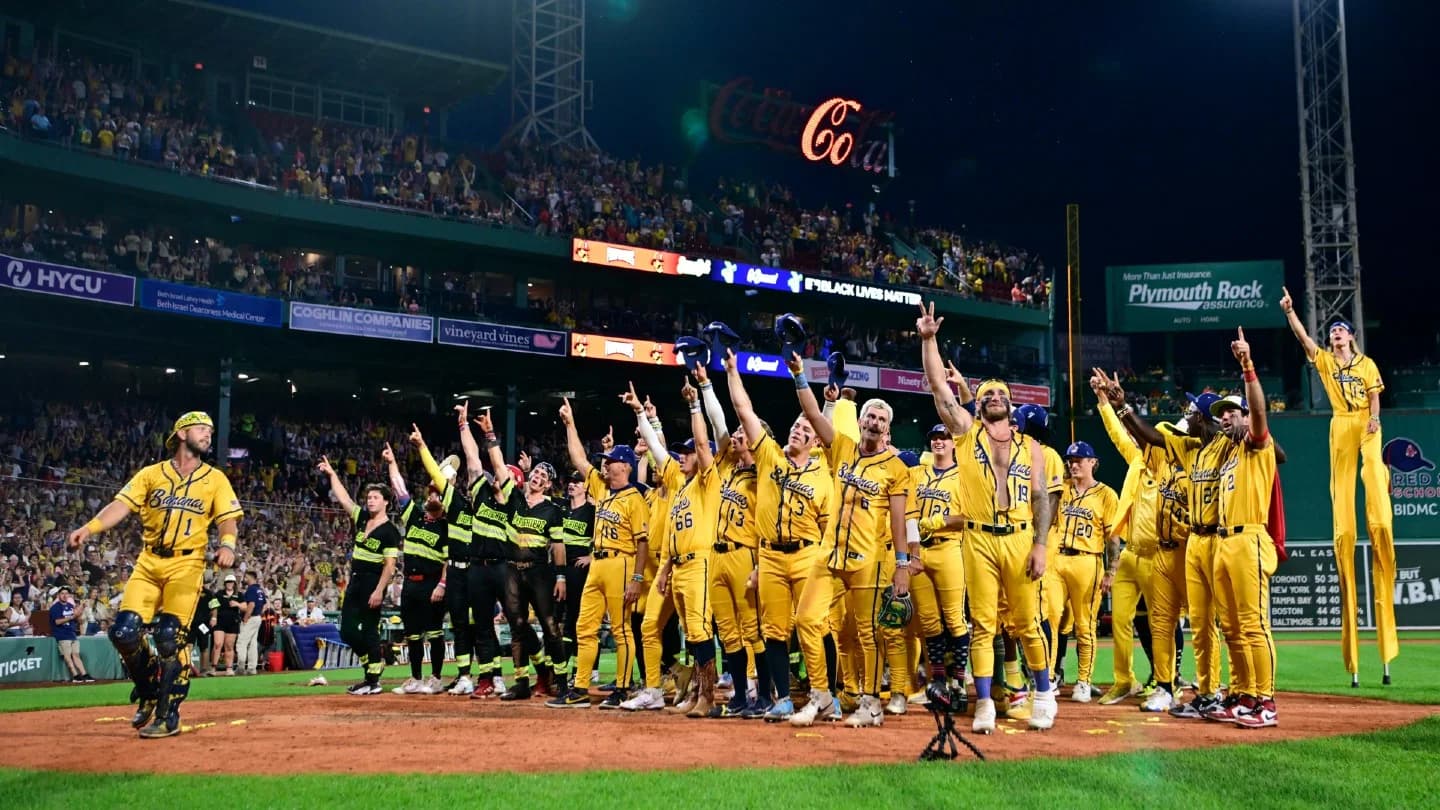
- The Savannah Bananas' diversified content strategy has built a business valued at approximately $500 million.
- Kings League reached 120 million livestream viewers for its 2026 World Cup Nations by distributing freely across Twitch, YouTube, and TikTok.
- IP-based distribution is replacing satellite models to enable faster customization and reduce operational complexity.
- Leagues are using 'create once, distribute many' workflows to support localized ads and alternate commentary from one primary feed.
Why It Matters
The collapse of the traditional RSN model is forcing leagues to take direct control of their production stacks. This shift from exclusivity to hyper-distribution allows rights holders to monetize niche audience segments that conventional broadcast deals overlook. For the infrastructure layer, this necessitates a transition to IP-native delivery systems capable of managing dozens of versioned feeds simultaneously. As leagues prioritize reach over high-floor rights fees, the industry should watch for a rise in 'creator access' clauses in national contracts, allowing influencers to co-stream live events to fragmented younger demographics.
Additional Context
The strategic move toward flexible distribution coincides with the systemic failure of the US regional sports network (RSN) model. Per Front Office Sports, in January 2026, nine MLB teams—including the Atlanta Braves and St. Louis Cardinals—terminated their broadcast agreements with Main Street Sports Group (formerly Diamond Sports Group) following missed payments and the collapse of a potential sale to DAZN. This disruption has accelerated league-led efforts to reclaim local rights, with MLB Commissioner Rob Manfred indicating that MLB Media is prepared to produce and distribute games directly to fans to eliminate historical blackout restrictions.
Simultaneously, emerging properties are proving that scale can be achieved through non-exclusive, multi-platform accessibility. According to Broadcast Sport, the 2026 Kings World Cup Nations tournament utilized a 'centralized production' model to broadcast in over 200 territories across 100 unique channels and seven languages. This model balances high production standards with decentralized distribution through team 'presidents'—high-profile streamers like Ibai Llanos—who broadcast matches to their own established audiences.
Industry infrastructure is also shifting to meet this demand for agility. Per The Desk, LTN expanded its IP video network footprint by 200% in 2025 as broadcasters migrated away from satellite distribution due to looming C-band spectrum constraints. In January 2026, Major League Volleyball (MLV) also partnered with LTN to facilitate its largest media rollout to date, using remote production and IP-native transport to deliver 50 matches across national networks, local stations, and YouTube. These developments underscore a broader market trend where technical flexibility at the production layer has become the primary driver of commercial value.
Read full article at sportcal.com
Enjoy our coverage?
Add StreamingMeme as a preferred source on Google to see more of our streaming news at the top of your Search results.
Add as preferred source