

Sky reduces streaming latency for World Cup using new Real Time feature
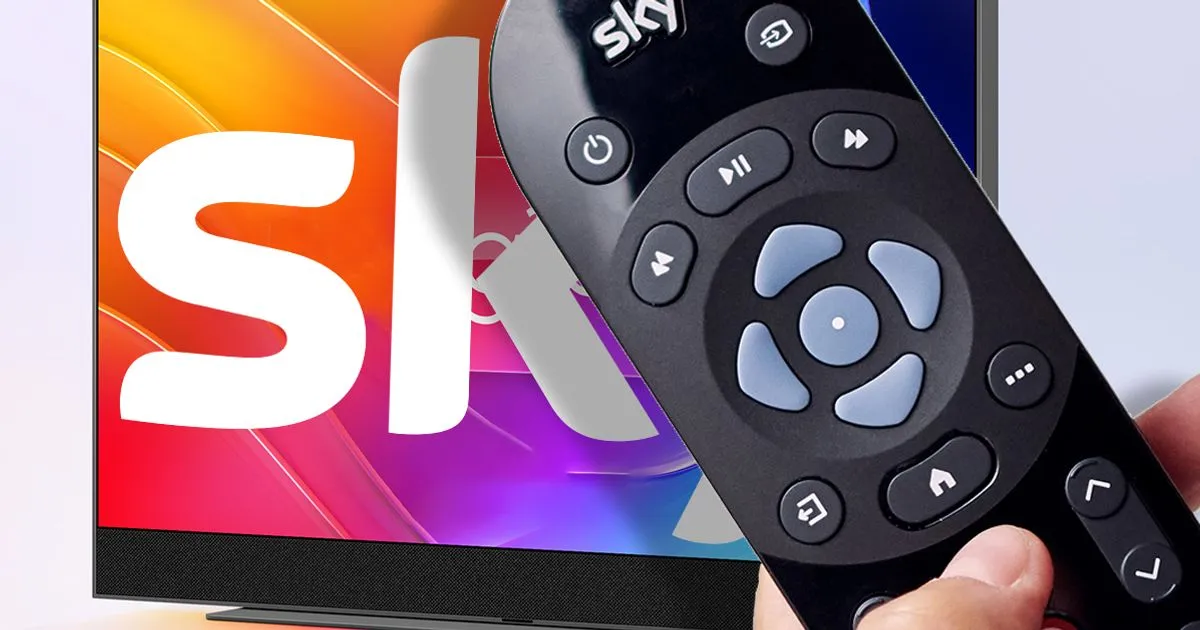
Sky has launched "Real Time," a new feature for its Sky Glass and Sky Stream platforms that significantly reduces streaming latency for live sports, including World Cup coverage on BBC and ITV. This update aims to provide a more immediate viewing experience, addressing a common frustration for sports fans following streaming broadcasts. The feature is available through an opt-in button or dedicated channels on Sky Glass and Sky Stream devices.
Key Takeaways
- The Real Time feature reduces stream delay by 22 seconds, bringing it within three seconds of satellite-based Sky Q performance.
- Viewers must opt-in via an on-screen button or tune to dedicated EPG channels like BBC One HD RT (926-944) and ITV1 HD RT (945).
- Technical requirements for Real Time include a minimum broadband speed of 40Mbps, compared to 25Mbps for standard HD streaming.
- Activating Real Time disables certain Sky OS playback features, specifically the ability to rewind live television during the broadcast.
Why It Matters
Sky is tackling the "roar before the score" problem, where IP-delivered sports lag behind terrestrial and satellite signals by nearly a minute. By extending its proprietary low-latency technology to third-party public broadcasters like the BBC and ITV, Sky is positioning its hardware as the definitive platform for live sports, even when it does not hold the primary rights. This move signals a technical shift where platform-level optimization, rather than just content exclusive rights, becomes a competitive moat. Watch for whether Sky’s 40Mbps requirement and the loss of trick-play features like live rewind impact mass-market adoption during high-concurrency World Cup fixtures.
Additional Context
The rollout of Real Time marks the second phase of Sky’s latency strategy, following the May 2024 launch of similar tech for the Sky Sports Main Event channel. Digital TV Group (DTG) research from November 2024 confirmed that while IP streaming had improved, standard BBC iPlayer streams still averaged a 40-second delay compared to terrestrial signals. Sky’s software-led intervention, powered by Sky OS (renamed from Entertainment OS in late 2025), represents a broader industry pivot toward Low-Latency HLS (LL-HLS) and DASH standards, which theoretically target 2-5 second latencies.
To drive adoption ahead of the 2026 World Cup, per Mirror and Manchester Evening News reports in June 2026, Sky implemented a 20% discount on Sky Glass hardware, dropping entry prices to roughly £4.50 per month. This aggressive pricing aligns with Sky’s long-term pivot away from satellite dishes; the company has focused heavily on shifting its subscriber base toward the broadband-only Sky Stream and Sky Glass ecosystems since 2024. Competitively, this puts pressure on dedicated apps like ITVX and BBC iPlayer to improve their native player latency if they hope to retain direct-to-consumer engagement on smart TVs.
Technical constraints remain a hurdle for the wider streaming ecosystem. Per Bitmovin and industry analysts in May 2026, achieving sub-five-second latency requires significant investment in chunked-transfer encoding and high-bandwidth requirements. Sky's 40Mbps recommendation reflects the reality that lower-latency streams provide less of a buffer to absorb network jitter, making them more sensitive to home network instability. While Sky is leading the UK market in platform-integrated latency reduction, global rivals like Amazon and YouTube have also transitioned major sports assets to LL-HLS to compete with traditional broadcast speeds.
Read full article at mirror.co.uk
Enjoy our coverage?
Add StreamingMeme as a preferred source on Google to see more of our streaming news at the top of your Search results.
Add as preferred source