

Sinclair's One Media hosts ATSC 3.0 interoperability tests amid regulatory scrutiny
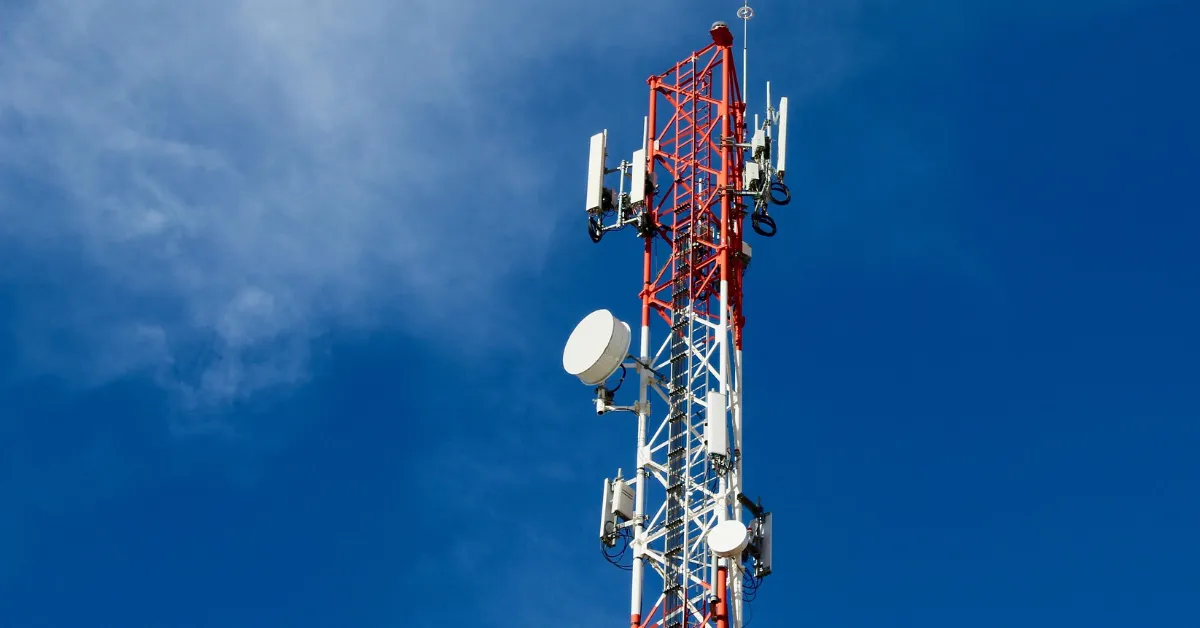
Sinclair's One Media Technologies will host its annual ATSC 3.0 NextGen TV Interoperability Event from June 23-26 in Maryland. The event convenes broadcasters, receiver manufacturers, and vendors to test critical technologies including hybrid broadcast-broadband delivery, Run3 TV Framework, DRM, and Dynamic Ad Insertion. The testing occurs as the FCC evaluates proposal frameworks regarding the transition timeline to the NextGen TV standard.
Key Takeaways
- Technical field tests will utilize live Baltimore-market ATSC 3.0 broadcasts to evaluate real-world performance of the Run3 TV Framework and Advanced Emergency Information.
- Engineers plan to validate Digital Rights Management (DRM) and signal-signing across DASH and MMT environments to ensure secure content distribution.
- Sinclair and other major broadcasters are proposing a 2028 shutdown of ATSC 1.0 in major markets, with a full national transition by 2030.
- Participants will demonstrate consumer-facing apps including ROXi’s music platform and the Broadcast-Enabled Streaming TV (BEST) channel.
Why It Matters
The event serves as a critical checkpoint for the technical maturity of NextGen TV at a moment of deep regulatory friction. While Sinclair and the NAB lobby the FCC for a firm sunset of the ATSC 1.0 standard to free up spectrum for datacasting and advanced advertising, smaller broadcasters like Weigel are resisting, citing high consumer costs and potential signals loss for rural viewers. For the broader ecosystem, successful interoperability between live broadcasts and retail receivers is the only path to proving market readiness. Watch for the FCC’s upcoming decision on the Fifth Further Notice of Proposed Rulemaking, which may grant broadcasters the autonomy to set their own transition deadlines.
Additional Context
The FCC's oversight intensified in June 2026 as the Commission began evaluating public comments regarding the Fifth Further Notice of Proposed Rulemaking (FNPRM). Per FCC filings and reporting from TV Technology in early 2026, the proposal considers ending the mandatory ATSC 1.0 simulcasting requirement, which currently forces broadcasters to duplicate their signals on the legacy standard. Proponents argue this 'regulatory red tape' prevents the allocation of spectrum for revenue-generating services like datacasting and 4K HDR video. Conversely, consumer advocacy groups and broadcasters such as Weigel have urged the Commission to maintain safeguards, warning that a 'flash cut' to 3.0 could disenfranchise households with older equipment.
Simultaneously, the technical landscape is shifting toward global expansion. At the 2026 NAB Show in April, the ATSC signed a memorandum of understanding with Brazilian and South Korean standards bodies to harmonize next-generation terrestrial broadcasting. According to ATSC President Madeleine Noland in April 2026, focus is shifting to the integration of the Broadcast Positioning System (BPS) and interactive frameworks like Run3TV to offer stability beyond traditional video. However, persistent issues regarding Digital Rights Management (DRM) remain a primary hurdle. Per Antenna Land in October 2025, the FCC received thousands of consumer complaints regarding DRM encryption on broadcast signals, leading to 'widespread frustration' over the inability to record or view free over-the-air content on certain early-model ATSC 3.0 tuners.
Read full article at thedesk.net
Enjoy our coverage?
Add StreamingMeme as a preferred source on Google to see more of our streaming news at the top of your Search results.
Add as preferred source