

ATSC extends audio loudness standards to streaming and FAST channels
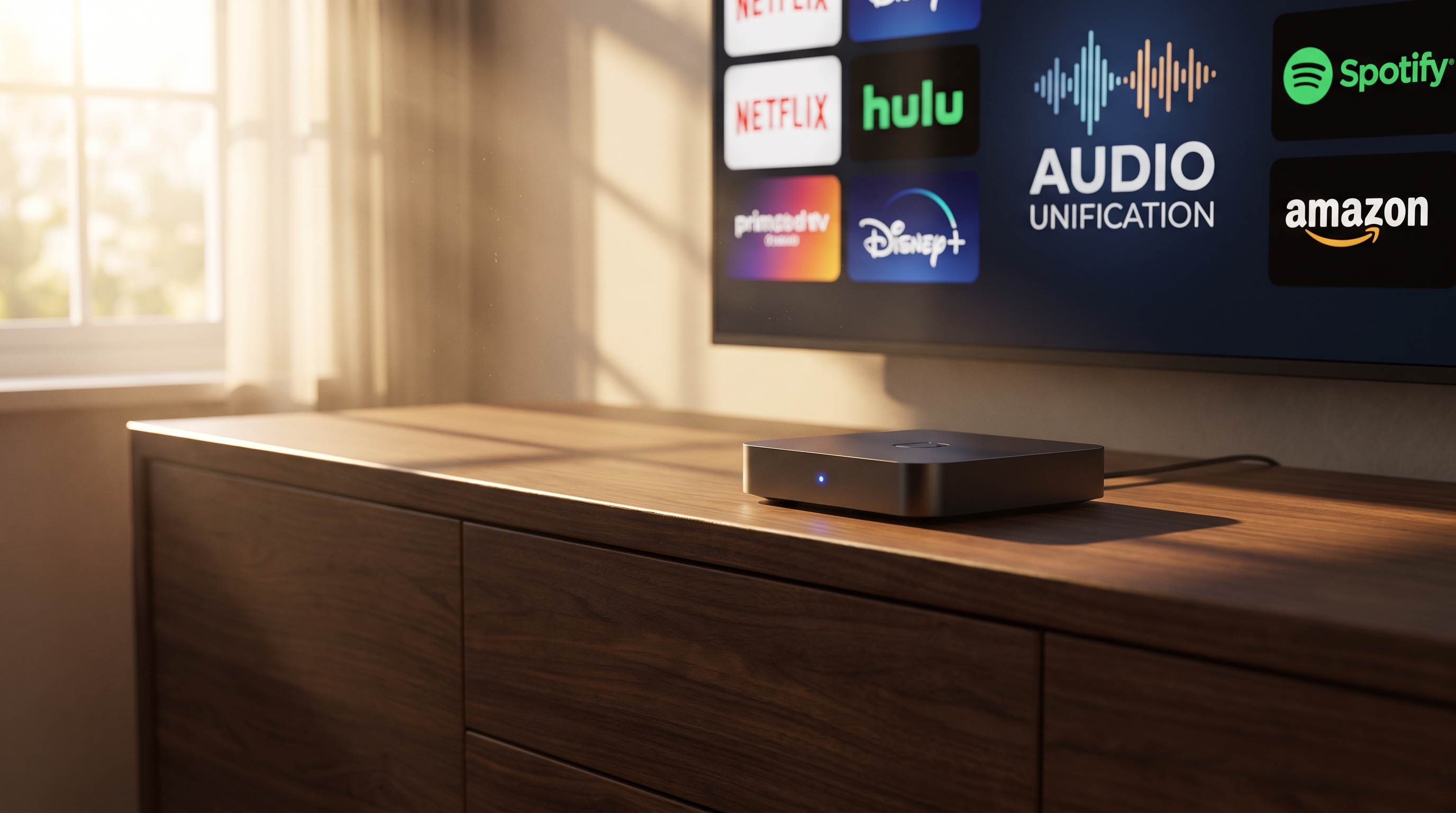
The Advanced Television Systems Committee (ATSC) has updated its A/85 Recommended Practice to extend audio loudness guidelines to include streaming services and FAST channels. This move aims to standardize loudness levels across digital TV and streaming, though the guidelines remain recommendation-based rather than legally binding.
Key Takeaways
- ATSC 3.0 broadcast standard (A/85) now explicitly covers streaming platforms and free ad-supported streaming TV (FAST).
- Measurement shift focuses on "integrated loudness" rather than peak volume to ensure perceived consistency during ad breaks.
- Guidelines serve as "Recommended Practices," providing technical blueprints for hardware manufacturers and streamers without immediate legal force.
- Update addresses a regulatory loophole where streaming was excluded from the decibel-limiting constraints of the federal CALM Act.
Why It Matters
The extension of A/85 provides a unified technical framework that helps streaming providers avoid the 'wild west' of audio mixing that has long frustrated viewers. Concretely, this allows device manufacturers like Roku or Amazon to bake standardized volume controls directly into hardware firmware. Within the broader ecosystem, standardizing audio helps maintain the perceived quality of ad-supported tiers, which are critical for platform retention as price sensitivity grows. Watch for top-tier streamers to voluntarily adopt these standards in the next 12 months to get ahead of state-level mandates like California's SB 576, which mandates similar compliance starting in July 2026.
Additional Context
The ATSC's technical update coincides with rising regulatory pressure on streaming audio. In October 2025, California Governor Gavin Newsom signed SB 576, a first-of-its-kind state law that requires streaming ads to match the volume of surrounding content. This legislation, which enters enforcement on July 1, 2026 per BillTrack50, effectively closes a loophole in the federal 2010 CALM Act that previously applied only to traditional broadcast and cable providers. Similar state-level moves are surfacing elsewhere, with Pennsylvania lawmakers introducing mirroring legislation in December 2025 to tackle the 'jarring' experience of loud digital ads. At the federal level, the FCC is also re-evaluating its oversight. In early 2025, the Commission launched an inquiry into commercial loudness following a spike in consumer complaints. Per PCWorld (February 2025), the FCC is exploring whether it has the authority under the Twenty-First Century Communications and Video Accessibility Act to regulate streaming volume without a brand-new mandate from Congress. This federal activity follows the repeated introduction of the CALM Modernization Act by Senator Sheldon Whitehouse and Representative Anna Eshoo, which specifically aims to grant the FCC enforcement teeth over OTT platforms. Industry adoption of ATSC 3.0, while growing, remains uneven. While broadcasters have built out significant transmission infrastructure, consumer receiver penetration still lags. According to TV Tech (December 2025), technical advances in NextGen TV—including immersive audio and personalized ad delivery—are becoming central to the business case for 3.0, but scaling these features requires the very consistency that the new A/85 standards provide. As streaming becomes the dominant medium for TV consumption, these 'recommendations' are likely to become the de facto baseline for ad-tech integrations and hardware specifications.
Read full article at techradar.com
Get this in your inbox → Subscribe
Enjoy our coverage?
Add StreamingMeme as a preferred source on Google to see more of our streaming news at the top of your Search results.
Add as preferred source