

Shrinking spectrum forces live productions to adopt WMAS and infrastructure-led RF planning
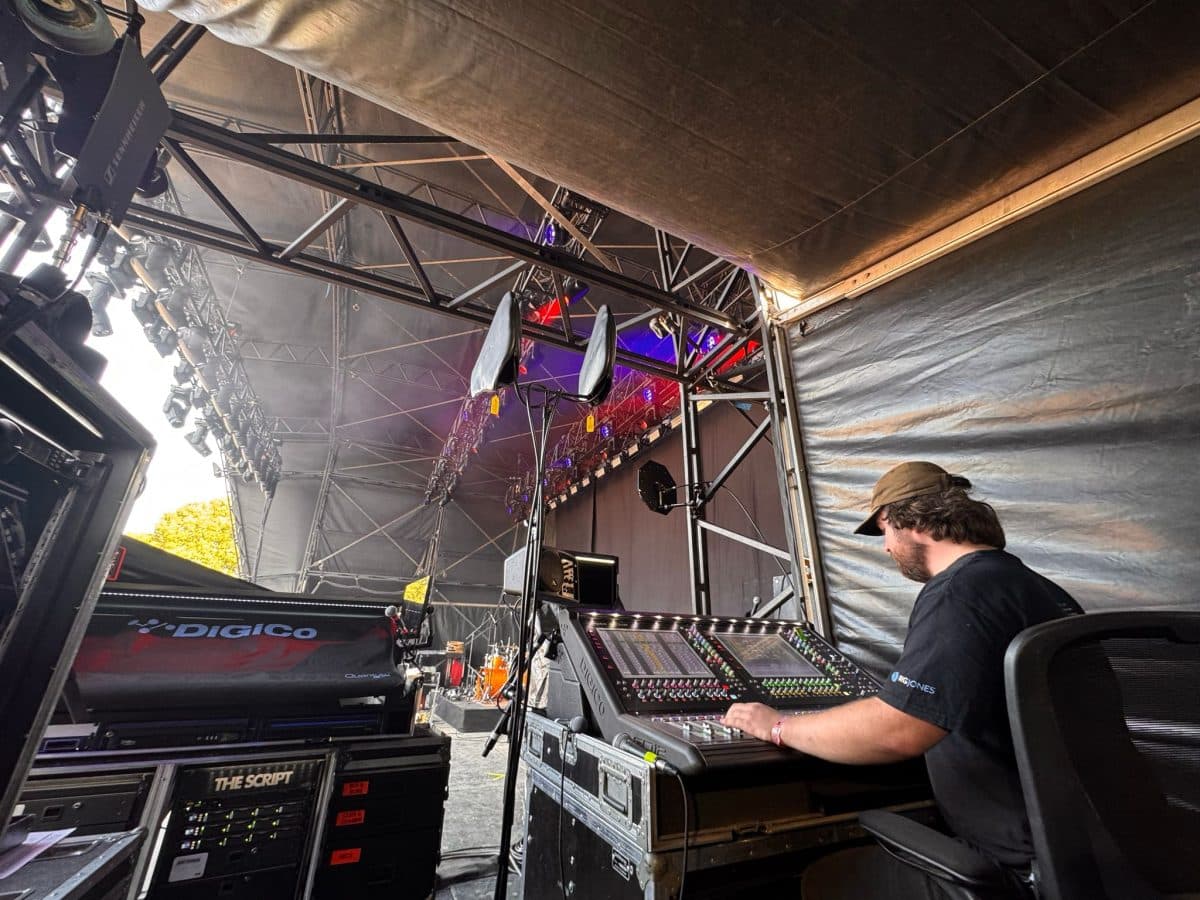
Industry experts from RG Jones and Mission Control discuss how shrinking wireless spectrum availability, driven by commercial auctions and regulatory shifts, is forcing live production teams to adopt advanced wireless planning and new technologies like WMAS. This shift moves wireless management from reactive on-site adjustment to an essential infrastructural element integrated into the design phase of large-scale productions.
Key Takeaways
- Large-scale touring productions now regularly deploy 80 to 100+ wireless carriers, increasing technical pressure in a shrinking RF environment.
- WMAS technology and wideband frequency agility are emerging as critical infrastructure to maintain high channel counts within tighter bandwidths.
- Ofcom has issued a Call for Input (CFI) to assess future PMSE spectrum requirements and potential 5G integration for live events.
- Industry advocacy groups WMSA Europe and BIERG are working to safeguard remaining spectrum allocations for the PMSE sector.
- RF management has transitioned from a flexible audio task to an essential infrastructure layer with near-zero-failure expectations.
Why It Matters
The contraction of usable spectrum due to commercial mobile auctions has reached a breaking point for large-scale live events. This shift forces a transition from legacy narrowband systems to wideband WMAS technology, effectively moving RF coordination from a show-day task to a core architectural requirement. For the broader ecosystem, this creates a new technical barrier to entry for smaller rental firms while making proprietary coordination software a mandatory production expense. Industry leaders must now watch the results of Ofcom's Call for Input, as a failure to protect current PMSE bands could fundamentally limit the creative scale of global touring franchises and interactive audience experiences.
Additional Context
The transition to WMAS gained significant commercial momentum in late 2024. Per Mix Online (October 2024), Shure launched its Axient Digital PSM system, the company's first WMAS-enabled solution, specifically designed to address the high-density requirements of touring and large venues. This followed regulatory shifts in the United States, where the FCC modified its rules in February 2024 to permit WMAS operation in broadcast TV bands and the 600 MHz duplex gap, an move Sennheiser had successfully lobbied for since 2018 (per Sennheiser, February 2024).
Regulatory pressure remains acute in the UK and Europe. In January 2026, Ofcom published a Call for Input to document the evolving needs of the Programme Making and Special Events (PMSE) sector, noting that coordinated assignments rose 22.5% between 2018 and 2024 despite shrinking availability. To provide a unified defense of these resources, an advocacy alliance called WMSA Europe launched in March 2026, representing professionals across France, Italy, and the UK to safeguard UHF and 600 MHz access (per TVBEurope, March 2026).
Looking ahead, Ofcom announced in June 2026 its decision to auction the 1492-1517 MHz block for mobile use in 2027. This move, according to May 2026 PolicyTracker reports, highlights the ongoing tension as mobile network operators seek more spectrum, potentially encroaching on adjacent audio link frequencies. The live industry is now closely tracking these consultations, alongside the UK's plan to test spectrum sharing in the upper 6GHz band, to determine if these new allocation models will provide the 6G-ready relief promised by regulators (per TelcoMagazine, January 2026).
Read full article at tpimagazine.com
Enjoy our coverage?
Add StreamingMeme as a preferred source on Google to see more of our streaming news at the top of your Search results.
Add as preferred source