

Samsung to Open Tizen OS for FAST Content Integration
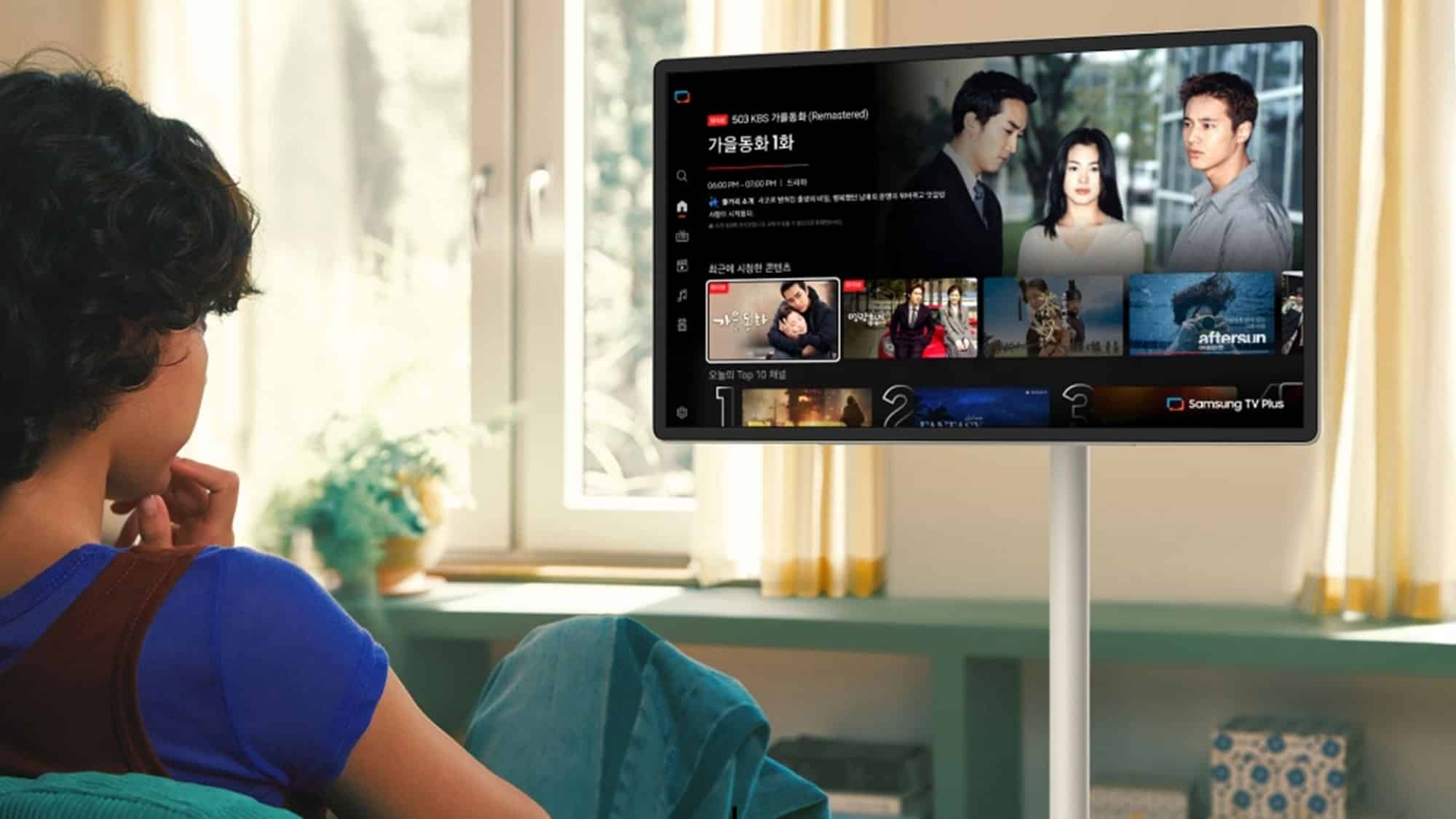
Samsung is planning to develop an open Tizen OS ecosystem for its smart TVs to become a central hub for K-content and allow content providers to easily create and distribute Free Ad-Supported Streaming TV (FAST) channels. This initiative aims to solidify Samsung's position in the FAST market and differentiate its TV offerings through enhanced content integration, with a focus on metadata standardization.
Key Takeaways
- Samsung intends to build an open Tizen OS platform to integrate content and simplify FAST channel distribution.
- The move aims to differentiate Samsung's TV offerings through enhanced content integration, particularly metadata standardization.
- The initiative supports the global distribution of K-content and increased awareness of FAST services in markets like Korea, where adoption is currently low.
Why It Matters
Samsung's strategy to open its Tizen OS positions its smart TVs as content aggregation platforms rather than just hardware. This could accelerate the growth of FAST by lowering barriers for content providers and offering a broader content library to viewers. The industry should watch for how content owners adapt to this open ecosystem, particularly regarding metadata standards and potential monetization models beyond traditional ad revenue splits.
Additional Context
Samsung's push into an open Tizen ecosystem for FAST streaming comes as major TV manufacturers increasingly pivot to platform-driven services amidst a global downturn in hardware sales (AJU PRESS, May 2026). Both Samsung and LG are emphasizing ad-supported free streaming to create new revenue streams and expand their platform ecosystems. Samsung, for instance, is actively pursuing 'external sales' for its Tizen OS, integrating it into TVs from other manufacturers (AJU PRESS, May 2026).
The global FAST market is projected to reach $47 trillion by 2030, growing at a compound annual rate of 20.9% (Asia Business Daily, June 2026). While popular in overseas markets, domestic FAST adoption in South Korea remains low due to established IPTV infrastructure and lower pay-TV costs (AJU PRESS, May 2026). Industry discussions highlight the need to enhance content competitiveness for K-FAST, focusing on customized content plans based on North American viewer preferences and active investment in original K-FAST content (Asia Business Daily, June 2026).
Samsung has previously emphasized FAST's role in the future of television, highlighting its ability to simplify the viewing experience and complement subscription models (Samsung Global Newsroom, January 2026). The company has also noted the emergence of creators as new studios, leveraging platforms like Samsung TV Plus to reach broader audiences and unlock new monetization opportunities (Samsung Global Newsroom, January 2026). These trends suggest a long-term strategic commitment to making smart TVs central to content consumption and distribution.
Read full article at sammyguru.com
Enjoy our coverage?
Add StreamingMeme as a preferred source on Google to see more of our streaming news at the top of your Search results.
Add as preferred source