
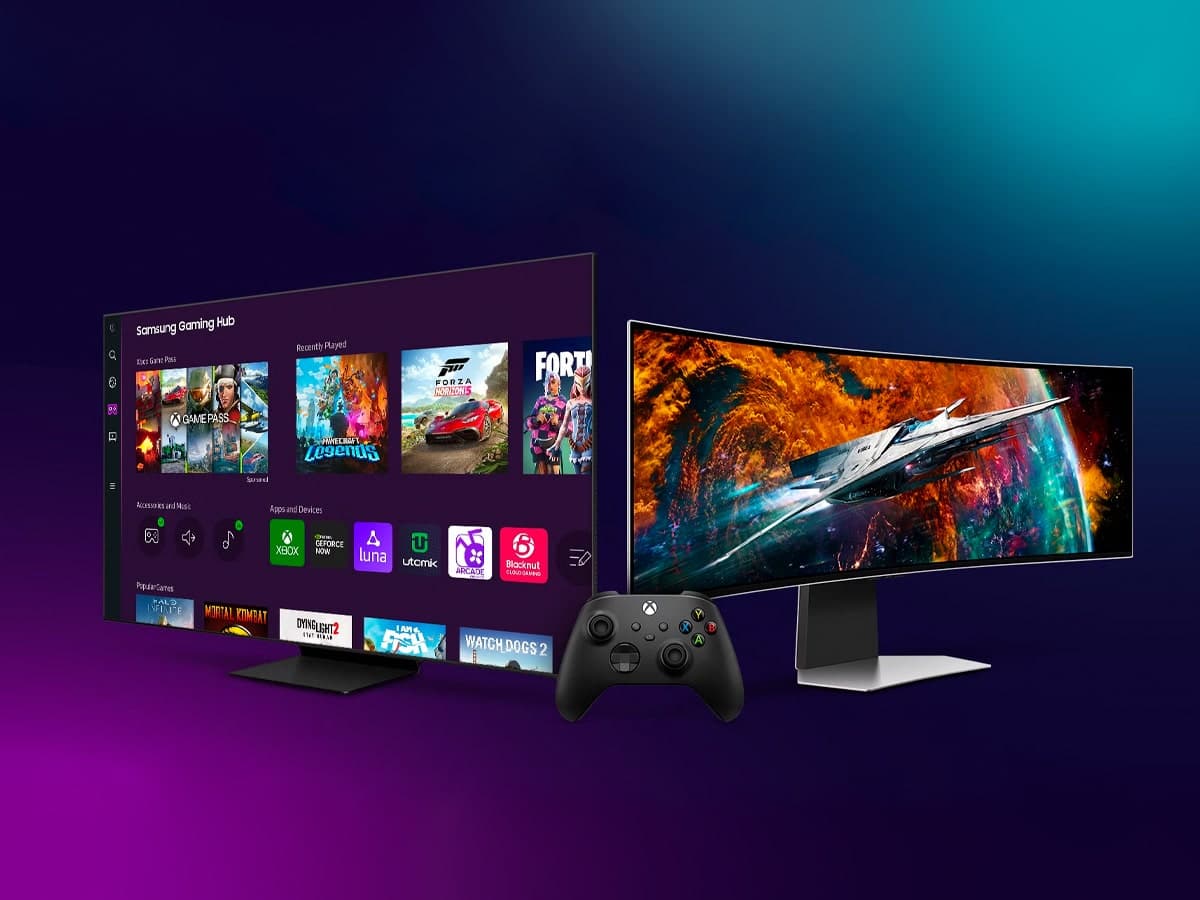
Samsung is expanding its proprietary Gaming Hub platform, reporting a 200% global increase in casual and party game usage between 2025 and 2026. The company is integrating gaming content directly into smart TV UI elements like 'continue watching' rows to improve content discovery.
Smart TV manufacturers are aggressively pivoting from being hardware vendors to content gatekeepers, seeking high-margin engagement through cloud gaming. By prioritizing casual and party titles over high-latency AAA games, Samsung is lowering the barrier for millions of households that lack specialized controllers. This strategy directly challenges video-first platforms like Netflix and Amazon, which are also vying for living room engagement time. For the broader ecosystem, it signals a shift where game discovery is becoming indistinguishable from video recommendations at the OS level. Watch for Samsung to refine smartphone-to-TV control latency, which remains the primary hurdle for converting curious viewers into regular players.
The push by Samsung comes as the connected TV (CTV) landscape undergoes a major shift toward high-engagement services. Per Samsung’s own reporting in January 2026, its free ad-supported streaming TV (FAST) service, Samsung TV Plus, surpassed 100 million monthly active users globally, with streaming hours rising 25% year-over-year. This massive installed base provides a direct funnel for the Gaming Hub, as the company increasingly treats games and video as equivalent content units within its centralized discovery interface.
Simultaneously, the broader market is hardware-optimizing for interactive experiences. According to reports from TVTech and other industry outlets in early 2026, major manufacturers including LG and Hisense are standardizing 144Hz to 240Hz refresh rates and sub-5ms input lag in mid-tier sets. These hardware improvements are designed to support cloud gaming services from partners like Xbox and NVIDIA GeForce NOW, which are now being bundled or pre-installed alongside traditional streaming apps to incentivize upgrades.
Competitive pressure from video platforms is also intensifying. Per Omdia research in May 2026, Netflix and Amazon are projected to capture a combined 22% of the global CTV advertising market by 2030, largely by integrating interactive and ad-supported gaming into their core subscriptions. Samsung’s emphasis on the 'Switzerland' model—hosting games from Netflix, Amazon, and third-party partners like Play.Works—reflects an attempt to retain OS-level control while competitors fight for individual app dominance.
Add StreamingMeme as a preferred source on Google to see more of our streaming news at the top of your Search results.
Add as preferred source