

Roku report finds dual-format ad strategies lift search intent 12%
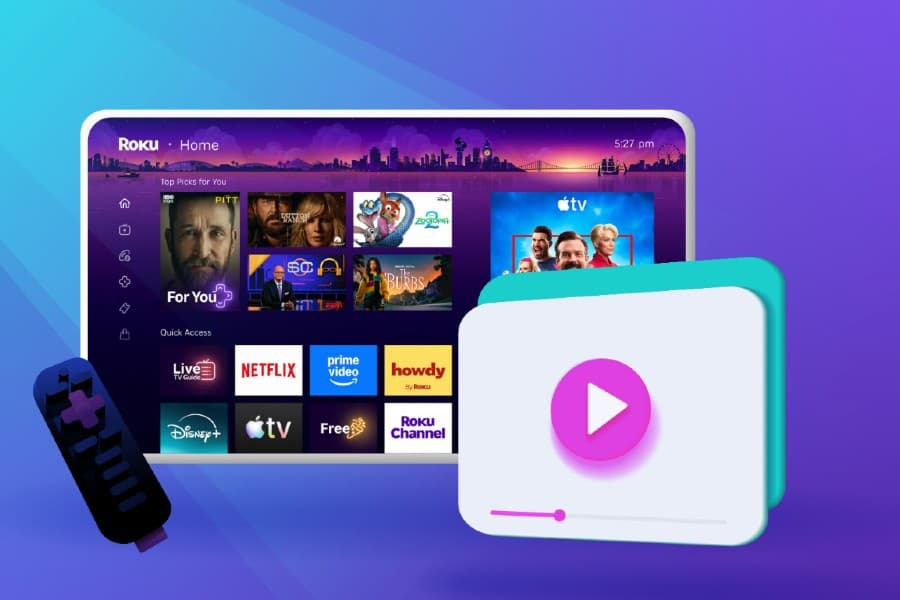
Data from Roku and Omnicom Media Intelligence indicates that combining home screen ads with video ads on Connected TVs significantly boosts brand favorability by 19% and search intent by 12%. This integrated ad strategy also substantially reduces the cost-to-impact for advertisers, lowering it to 25 cents per person. The findings highlight the Roku home screen as a critical engagement point for streaming audiences.
Key Takeaways
- Integrated home screen and video campaigns reduced cost-to-impact for search intent by nearly 40% compared to solo formats.
- Nearly 48% of streaming audiences browse the home screen for content even when they already have a specific title in mind.
- The Roku home screen reaches 125 million people in the U.S. daily, even as the global active household count officially passed 100 million.
- Median household engagement remains high, with users accessing their Roku devices at least 25 days every month.
Why It Matters
This data substantiates the home screen's role as the primary gateway in a fragmented ecosystem, shifting the objective from simple reach to strategic inventory placement. By proving that 'beyond-the-pod' formats drive cheaper search intent than traditional video alone, Roku is incentivizing advertisers to move budgets from search and social directly into the TV operating system. This strengthens the position of hardware-driven platforms against third-party apps that lack gateway control. Watch for whether other major OEMs like Samsung and LG release similar integrated performance metrics to defensive their own ad real estate.
Additional Context
The emphasis on home screen monetization follows a significant infrastructure shift at Roku. In May 2026, per VideoWeek, the company launched its first major home screen redesign in a decade, utilizing AI to surface more personalized recommendations and more prominent ad tiles. This update arrived shortly after Roku surpassed the milestone of 100 million active streaming households globally in April 2026, according to company reports. Financial filings from Q1 2026 show that Roku's platform revenue—which covers both advertising and subscriptions—grew 28% year-over-year, significantly outperforming its declining hardware device business.
Roku is not alone in prioritizing the OS as an ad vehicle. Per internetretailing.net, June 2026 research from Rakuten TV suggests that 36% of advertisers now prefer home screen placements for visibility, leading to a projected 64% increase in investment for these formats. Similarly, LG Ad Solutions reported in January 2026 that viewers spend an average of nine minutes on the home screen before content selection, a high-attention window that platforms are racing to fill with 'shoppable' and interactive units.
Competitive pressure is also mounting from other hardware giants. Samsung, which per Advanced Television (April 2026) commands a 23% share of U.S. broadband households for its Tizen OS, has focused on a 'single continuous viewing experience' that blurs the line between the home screen and live content. Meanwhile, Vizio's acquisition by Walmart in late 2024 has fully integrated its SmartCast home screen into a retail-media ecosystem, further intensifying the demand for outcomes-based CTV advertising that links home screen impressions to direct sales lift.
Read full article at mediaplaynews.com
Enjoy our coverage?
Add StreamingMeme as a preferred source on Google to see more of our streaming news at the top of your Search results.
Add as preferred source