

Pixar integrates Baselight API to automate Toy Story 5 grading workflows
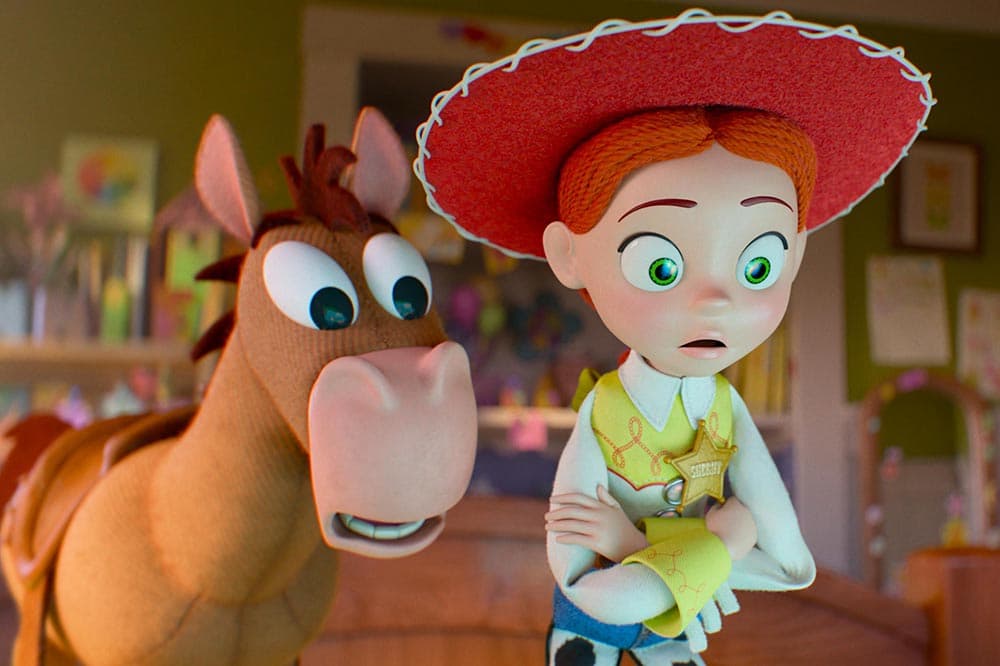
Pixar colorist Susan Brunig explains how the studio integrated FilmLight’s Baselight and its API into the production of Toy Story 5 to automate grading and conform workflows. The transition to a pre-grading pipeline enabled earlier HDR review sessions, helping the lighting team meet strict release deadlines.
Key Takeaways
- Integrated FilmLight API to automate Multi-Paste operations and domestic/international conform processes.
- Adopted a 'pre-grading' workflow to start color work as soon as lighting teams finalized a sequence.
- Utilized Baselight’s X Grade and Matte Merge tools to isolate colors and combine complex image elements.
- Conducted early HDR reviews on large screens to align the lighting team with final format requirements.
- Created highly stylized 'playtime' sequences featuring painterly brushstrokes that contrast with the franchise's legacy look.
Why It Matters
This shift to automated, API-driven color pipelines marks a departure from linear post-production, allowing animation houses to handle increasing project volumes without extending schedules. By moving HDR grading earlier into the production cycle, Pixar reduces the risk of visual discrepancies between creative intent and final output. This technical maturity reflects a broader industry trend where high-end finishing systems like Baselight are being treated as programmable infrastructure rather than standalone creative tools. For the streaming ecosystem, this ensures that premium HDR content can be mastered efficiently for both theatrical and home releases. Watch for further use of the FilmLight API to bridge the gap between on-set dailies and final color in live-action Disney+ productions.
Additional Context
The technical evolution of Toy Story 5 arrives as Pixar deepens its commitment to high-end display standards. Per FlatpanelsHD in June 2025, Pixar announced a shift toward mastering future titles in DCI HDR specifically for Samsung Onyx cinema LED displays. This move followed the studio's early HDR experiments with Elemental and Inside Out 2, moving away from projector-based 'Enhanced Dynamic Range' and toward self-emissive modular LED screens that support true blacks and higher peak brightness. The integration of Baselight v7, which includes redesigned output display pipelines, supports this strategy by allowing colorists to manage simultaneous HDR and SDR outputs more accurately across diverse devices.
Simultaneously, the broader industry is moving toward hybrid, automated post-production environments. Per Post Magazine in May 2026, facilities are increasingly adopting Baselight alongside other platforms to handle long-form series with more precision. Tools like the FilmLight API (FLAPI) have become critical for these 'image factories,' enabling developers to script everything from metadata logging to automated quality control. According to FilmLight, recent updates to the API and products like Nara 2 are specifically designed to assist remote media management and cloud-based automation.
Commercially, the stakes for these technological optimizations remain high. Per Media Play News, Toy Story 5 is scheduled for theatrical release on June 19, 2026, as Disney pivots back toward established franchises to ensure box office stability. Disney reported in June 2026 that its summer slate, anchored by Pixar and 20th Century Studios, helped the company become the first studio to surpass $2 billion at the global box office that year. The use of automation within Pixar’s pipeline directly supports this high-volume release strategy, compensating for shrinking post-production windows as the company manages its most commercially durable assets.
Read full article at postperspective.com
Enjoy our coverage?
Add StreamingMeme as a preferred source on Google to see more of our streaming news at the top of your Search results.
Add as preferred source