

Packet analysis reveals tracking and telemetry in ATSC 3.0 receiver boxes
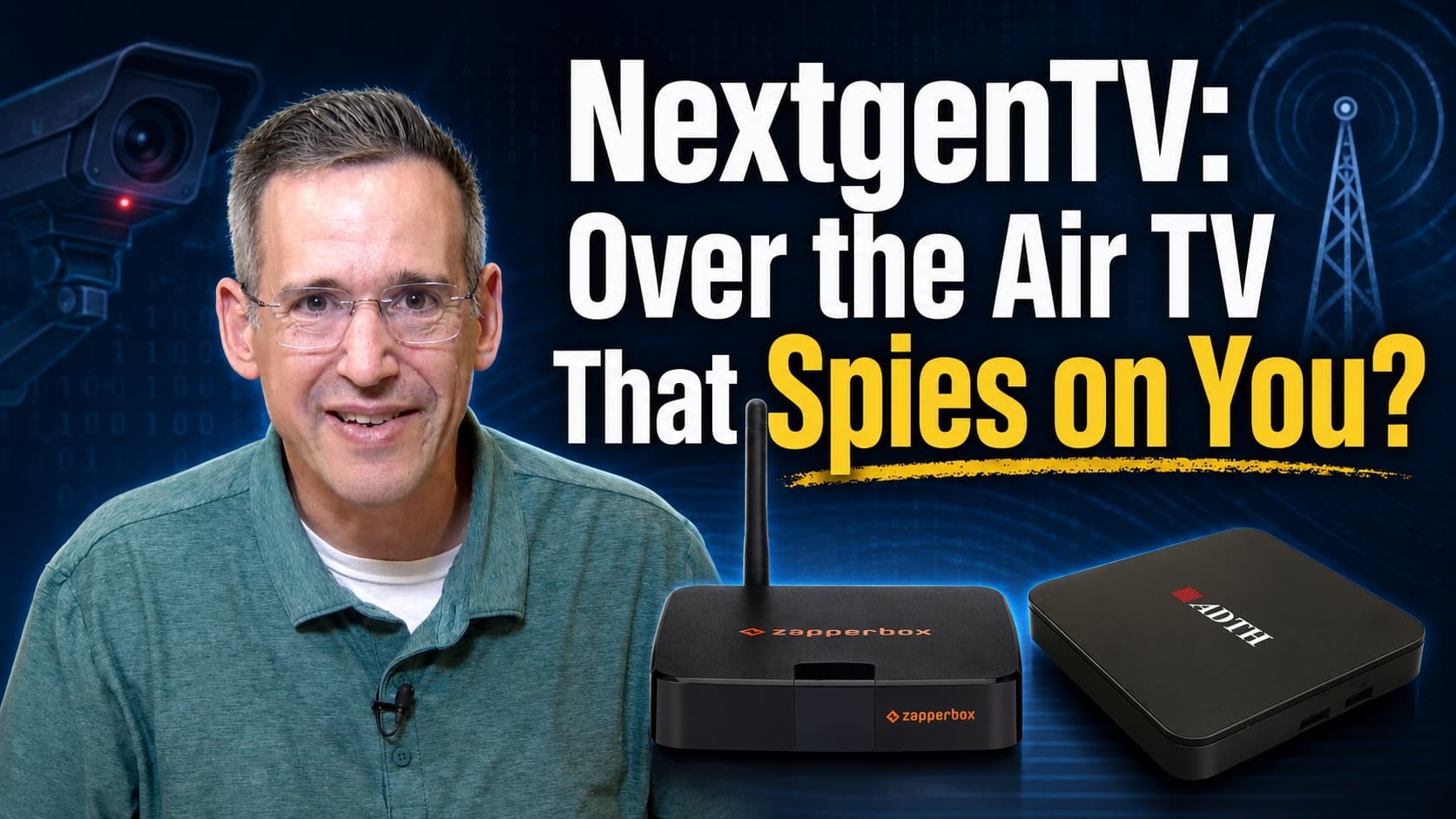
Independent packet analysis of ADTH and Zapperbox ATSC 3.0 receivers indicates that these devices transmit telemetry and viewer tracking data to third-party services including Google Tag Manager and Yotta. The study highlights how the transition to NextGen TV, which requires active internet connectivity for DRM, introduces new data collection mechanisms into traditional broadcast television.
Key Takeaways
- ADTH receivers transmit viewing data to Google Tag Manager and Amazon Cloudfront when interactive features load on encrypted metadata channels.
- Viewer telemetry is sent to Tulka.tv even when tuning into legacy ATSC 1.0 unencrypted broadcasts.
- Active internet handshakes with UK-based Yotta are required to refresh encryption certificates for major network affiliates.
- Zapperbox exhibits lower telemetry volume than ADTH, primarily communicating with license servers and manufacturer Geniatech due to limited interactive overlay support.
Why It Matters
The findings signify a pivot from anonymous over-the-air consumption to a tracked digital ecosystem mirroring streaming apps. By tethering broadcast decryption to active internet connections, broadcasters effectively gain a feedback loop for real-time viewership analytics and marketing profiles. For the technical stack, this creates a significant privacy trade-off: free television now relies on a telemetry-heavy architecture that lacks clear opt-out mechanisms. As the FCC weighs the mandatory sunset of ATSC 1.0, these data collection practices will likely become a central friction point for consumer privacy advocates. Watch for whether future TVOS updates introduce granular privacy controls for broadcast-triggered web requests.
Additional Context
The data privacy concerns surrounding ATSC 3.0 coincide with intense regulatory scrutiny at the FCC. In January 2026, a coalition including Public Knowledge and the Electronic Privacy Information Center (EPIC) urged the Commission to implement privacy rules for NextGen TV parallel to those governing cable and satellite providers. The groups argued that the bidirectional data flow enabled by the standard fills a regulatory gap, potentially allowing broadcasters to build user profiles without the consumer protections historically associated with public spectrum.
Simultaneously, the reliability of encrypted broadcasts has become a legal flashpoint. Per filings in FCC Docket 16-142 from June 2026, Weigel Broadcasting conducted tests across four U.S. markets demonstrating that ATSC 3.0 DRM breaks Emergency Alert System (EAS) delivery when internet connectivity is lost. Weigel’s data suggests that because EAS information is often trapped within the encrypted stream, viewers may be locked out of critical safety alerts—a violation of federal accessibility mandates. The A3SA, which manages the encryption framework, has countered that these failures result from specific hardware implementation choices rather than flaws in the DRM standard itself.
Broadcasters, represented by the NAB and consortiums like Pearl TV, maintain that encryption is necessary to protect premium content, particularly live sports, from piracy. Per reports from CES 2026, the industry is pushing to release sub-$60 certified converter boxes to accelerate adoption. However, current market offerings like those from ADTH and Zapperbox still face criticism over the cost and complexity of their "gateway" architectures, which require a digital handshake to unlock signals that were previously accessible via simple antennas.
Read full article at blog.lon.tv
Enjoy our coverage?
Add StreamingMeme as a preferred source on Google to see more of our streaming news at the top of your Search results.
Add as preferred source