
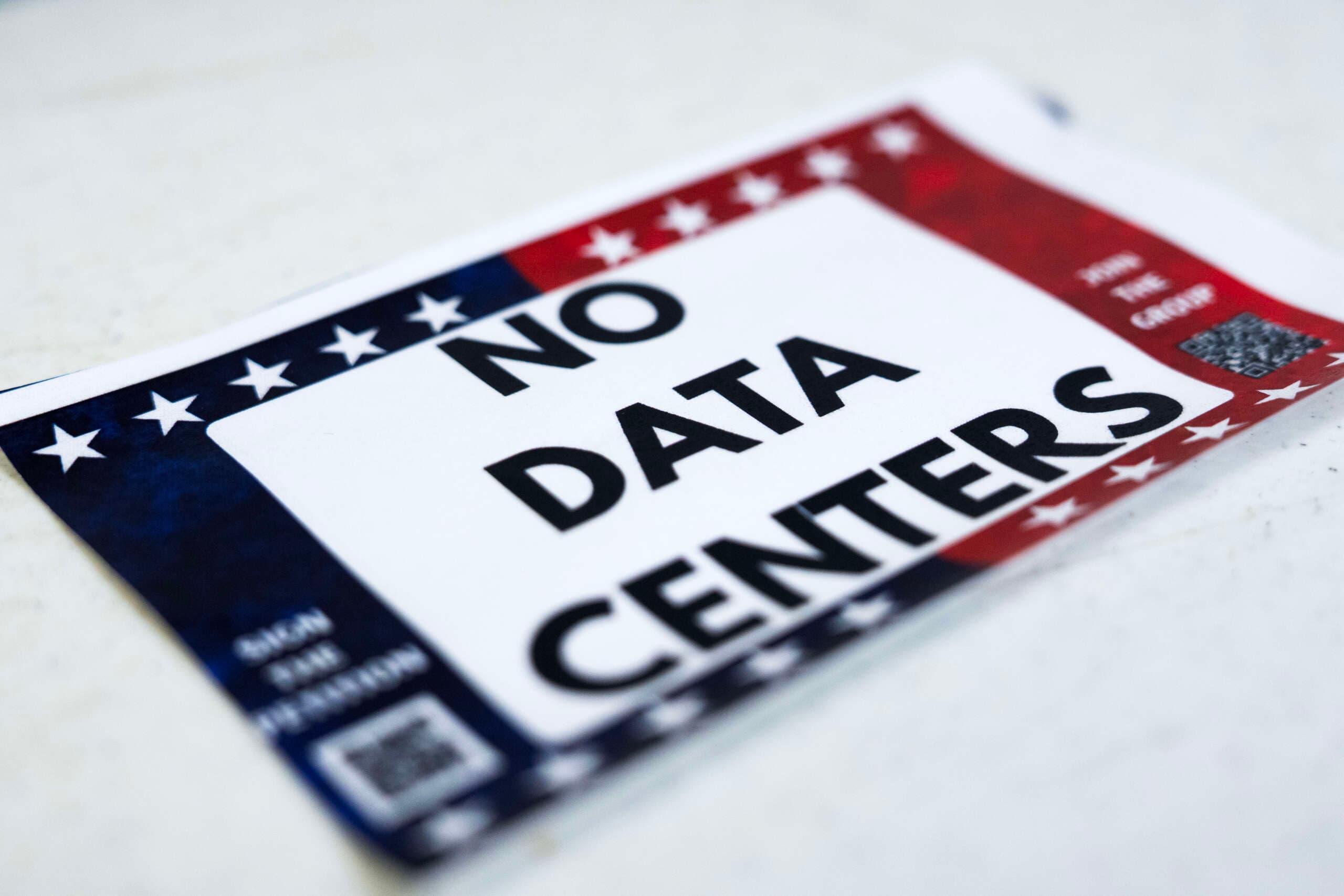
OpenAI, SoftBank, and Oracle are utilizing permitting loopholes for their Stargate data center project in Texas to construct onsite, gas-powered electrical plants. The project highlights the increasing infrastructure and energy demands required to support large-scale AI and data processing workflows.
The 'shadow grid' strategy of building dedicated gas plants allows hyperscalers to bypass a congested ERCOT grid, but it creates significant regulatory and environmental friction. For the streaming industry, this highlights the extreme infrastructure costs and carbon footprints associated with the next generation of AI-driven video processing. If Texas regulators or the EPA close these permitting loopholes, the resulting delays and more stringent environmental compliance costs could slow the rollout of high-density compute clusters required for advanced personalization and real-time rendering. Watch for the EPA to apply 'aggregation' policies to these sites, which would force developers to treat fragmented minor permits as a single major emission source.
The infrastructure surge in Texas has prompted immediate regulatory shifts to protect the state's power grid. Per Politico Pro in July 2026, the Texas Public Utility Commission (PUC) recently voted 5-0 to adopt new standards requiring 'large computational loads,' including data centers and crypto mines, to stay online during grid disturbances. These rules are designed to prevent cascading failures in the Electric Reliability Council of Texas (ERCOT) system, which currently manages roughly 439 gigawatts of future electricity demand requests — five times the grid's record peak. Approximately 89% of those new requests come from data center developers, according to May 2026 ERCOT data.
Governor Greg Abbott has also tightened fiscal oversight on the industry. Per The Texas Tribune in June 2026, Abbott directed state utilities to ensure that infrastructure costs for data centers are not shifted to residential ratepayers. He has further recommended the repeal of sales tax exemptions for data centers, which currently cost the state more than $1 billion annually. This shift in tone from the state’s executive leadership suggests that the 'gold rush' phase of unregulated growth is ending as lawmakers prepare for more comprehensive oversight in the 2027 legislative session.
Nationally, the scale of these projects continues to escalate as tech giants seek off-grid energy security. Per a report by the Environmental Integrity Project in July 2026, there are 74 natural gas-fired power plants planned across the U.S. specifically to fuel data centers, with 32 located in Texas. The largest identified project, Fermi America’s 'Project Matador' near Amarillo, could require up to 11,200 megawatts of power. This trend toward massive 'behind-the-meter' generation is emerging as the primary bottleneck for AI expansion, as companies choose fossil-fuel reliability over the variability of renewable sources to maintain 24/7 uptime for model training and inference.
Add StreamingMeme as a preferred source on Google to see more of our streaming news at the top of your Search results.
Add as preferred source