
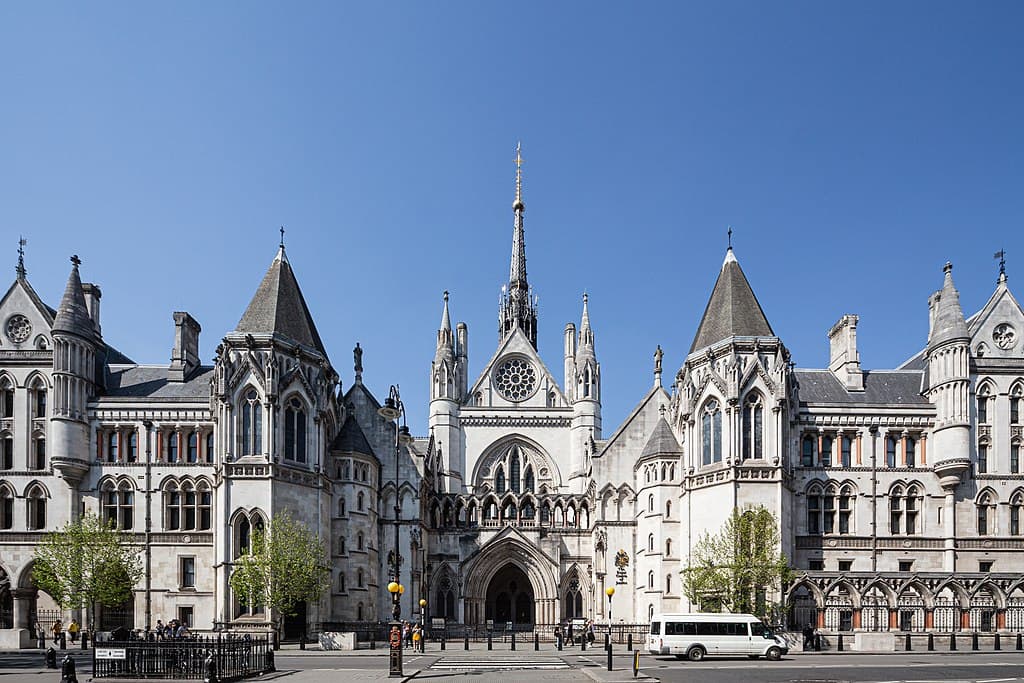
The Wikimedia Foundation challenged the UK's Online Safety Act Categorisation Regulations, fearing they would impose burdensome content moderation and identity verification requirements on its volunteer-led platforms. While the High Court dismissed the challenge, UK regulator Ofcom has confirmed that Wikipedia will not currently be designated as a Category 1 service, though it remains under future watch.
The decision provides a temporary reprieve for non-profit digital public goods that arguably lack the algorithmic risk profiles of commercial social networks. By placing Wikipedia on a watch list rather than the primary register, Ofcom signals a pragmatic enforcement approach that prioritizes high-reach, high-risk commercial entities over volunteer-led knowledge sharing. However, the lack of a permanent exemption keeps the platform in a state of regulatory uncertainty, forcing a continued focus on advocating for legislative scoping changes. Stakeholders should track July 2026 for the finalization of Ofcom’s categorisation register, which will dictate long-term compliance costs for all user-to-user services operating in the UK.
The rollout of the UK's Online Safety Act has faced significant scheduling adjustments. Per techUK, November 2025, Ofcom delayed the publication of the final categorisation register to July 2026. This delay was partially attributed to the legal considerations arising from the Wikimedia Foundation’s challenge, as the regulator sought more time to refine how it applies logic to non-commercial platforms. The register will officially group services into Category 1, 2A, or 2B, based on specific user number and functionality thresholds set in early 2025 regulations.
According to Ofcom’s June 2026 bulletin, the current threshold for Category 1 status applies to services with more than 34 million monthly active UK users and a content recommender system, or those with 7 million users that allow content resharing. By qualifying for the 'emerging' list instead of the full register, platforms like Wikipedia avoid immediate transparency reporting and the duty to provide user identity verification options. The regulator also noted that emerging services do not yet face the 2027 deadline for the first cycle of mandatory transparency reports.
Simultaneous to the Wikimedia ruling, Ofcom has pivoted toward targeting systemic commercial harms. In July 2026, the regulator proposed rules requiring major ad-supported platforms like Facebook, Instagram, and YouTube to ban and proactively block scam advertisers, per The Guardian. While Wikipedia is exempt from these ad-specific mandates, the broader OSA framework continues to expand its reach. Recent legislative updates, including the Crime and Policing Act 2026, have also authorized the Secretary of State to potentially bring generative AI services and chatbots under similar risk assessment duties previously reserved for traditional social media.
Add StreamingMeme as a preferred source on Google to see more of our streaming news at the top of your Search results.
Add as preferred source