

NVIDIA RTX 5090 vs. AMD RX 9070 XT: Flagship 4K GPU Battle Detailed
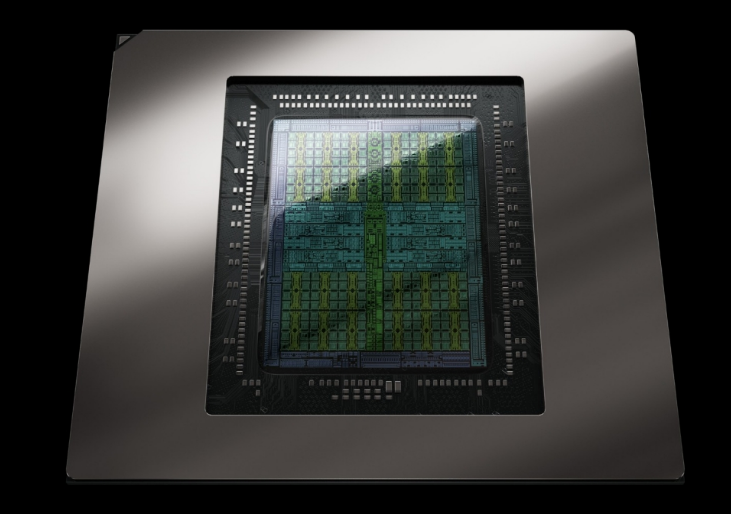
This article compares NVIDIA's RTX 5090 and AMD's Radeon RX 9070 XT, two flagship GPUs designed for 4K gaming, highlighting their differing strengths in features, performance, and pricing. The RTX 5090 emphasizes AI processing, ray tracing, DLSS, and includes a strong NVENC encoder for streaming and creative workloads. The Radeon RX 9070 XT focuses on rasterization performance and efficiency, offering a more affordable option for raw gaming output.
Key Takeaways
- RTX 5090 leads in ray tracing performance due to dedicated hardware and offers advanced AI capabilities and DLSS for upscaling.
- Radeon RX 9070 XT delivers competitive rasterized 4K gaming frame rates, often on par with the RTX 5090 in non-ray tracing scenarios.
- NVIDIA's NVENC encoder remains a key feature for streamers and content creators, positioning the RTX 5090 for broader creative workloads.
- The Radeon RX 9070 XT holds an advantage in performance per dollar, providing near-flagship 4K performance at a lower cost.
- Both GPUs require significant power and robust cooling solutions, with the RTX 5090 typically consuming more due to its features.
Why It Matters
The GPU market for high-end streaming and production is bifurcating along feature sets and price. NVIDIA's focus on AI, ray tracing, and DLSS with the RTX 5090 caters to professionals and enthusiasts prioritizing visual fidelity and advanced encoding via NVENC. AMD's Radeon RX 9070 XT offers a compelling alternative for raw gaming performance, which matters for competitive play and cost-conscious studios. This competitive environment drives innovation in rendering efficiency and specialized hardware. Observers should track how future game engines and streaming platforms integrate advanced ray tracing and AI features, and whether AMD's FSR can close the quality gap with NVIDIA's DLSS to affect future purchasing decisions.
Read full article at techtimes.com
Get this in your inbox → Subscribe
Enjoy our coverage?
Add StreamingMeme as a preferred source on Google to see more of our streaming news at the top of your Search results.
Add as preferred source