

No Fakes Act Reintroduced, Bolstered by Industry Support and New Revisions
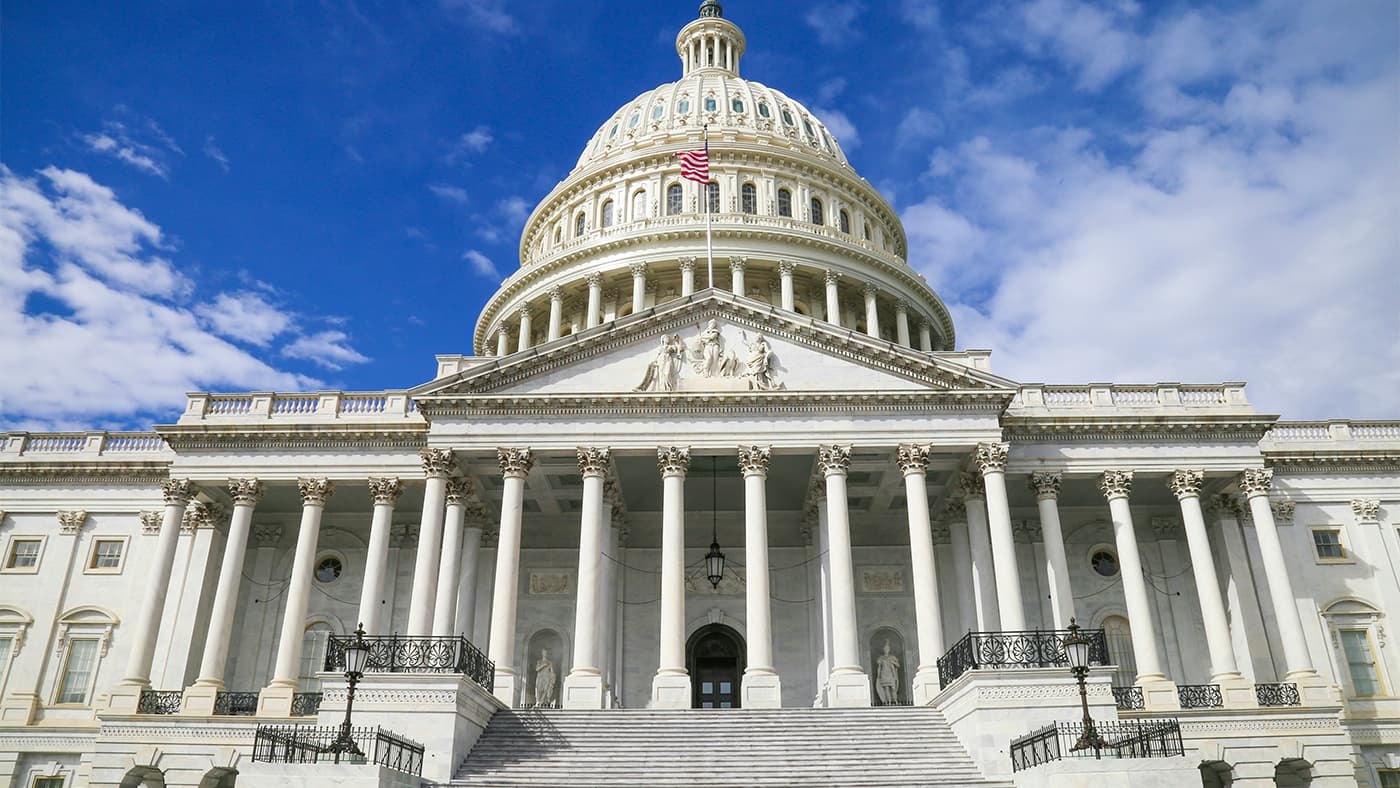
The No Fakes Act, legislation targeting AI deepfakes, has been reintroduced in the US Congress with new revisions and bipartisan support. The updated bill, which includes a counter-notice procedure and exemptions for certain works, aims to regulate generative AI in video content. Companies including Getty Images, Spotify, Google, IBM, OpenAI, Amazon, and YouTube have pledged their support for the Act.
Key Takeaways
- The No Fakes Act, aimed at regulating AI deepfakes of voice or image, has been reintroduced in Congress.
- New revisions include a 'counter-notice' procedure for challenging material removals and exemptions for libraries, archives, and research institutions.
- Prior carve-outs for news, documentary, sports content, and parody videos remain in the updated bill.
- Support for the Act comes from a range of companies and organizations, including Getty Images, Spotify, Google, IBM, OpenAI, Amazon, and YouTube.
Why It Matters
The reintroduction of the No Fakes Act signifies an ongoing attempt to provide a federal framework for regulating AI-generated deepfakes, directly impacting content creators and platforms. Its passage would establish a new legal standard for digital replicas, potentially mitigating risks for individuals whose likenesses could be exploited. The inclusion of a counter-notice mechanism and specific exemptions attempts to balance intellectual property protection with free speech considerations. Stakeholders should monitor its progress closely, as its eventual form will dictate compliance requirements and enforcement strategies across the streaming ecosystem.
Additional Context
The 2026 reintroduction of the NO FAKES Act, also known as the Nurture Originals, Foster Art and Keep Entertainment Safe Act, marks its fourth iteration in roughly three years (Manatt, May 2026). Senators Marsha Blackburn (R-TN), Chris Coons (D-DE), Thom Tillis (R-NC), and Amy Klobuchar (D-MN), alongside Representatives Maria Salazar (R-FL) and Madeleine Dean (D-PA), are co-sponsoring the bill (Blackburn.senate.gov, May 2026). A key addition in this version is a counter-notification process, modeled after the DMCA, allowing users to dispute content removals, an aspect that had drawn criticism from open internet groups in previous drafts (Manatt, May 2026). The bill aims to establish a federal, licensable property right in an individual's voice and visual likeness (Manatt, May 2026). Support from a wide range of music industry organizations, including the Recording Industry Association of America (RIAA), the Recording Academy, and the National Music Publishers Association (NMPA), has been consistent, with several tech giants joining in recent years (Billboard, May 2026). RIAA Chairman & CEO Mitch Glazier noted that polling indicates 92% of Americans support a federal law to protect voice and likeness (Blackburn.senate.gov, May 2026). This legislative push coincides with artists like Taylor Swift filing trademark applications to protect their likeness against AI deepfakes (Billboard, May 2026). Separately, the Take It Down Act came into effect in June 2026, mandating online platforms to remove nonconsensual intimate images within 48 hours or face fines, indicating a broader trend in deepfake-related legislation (Videomaker, June 2026).
Read full article at videomaker.com
Enjoy our coverage?
Add StreamingMeme as a preferred source on Google to see more of our streaming news at the top of your Search results.
Add as preferred source