

MPA Rejects UK Government Plan to Involve Streamers in BBC Licence Fee Collection
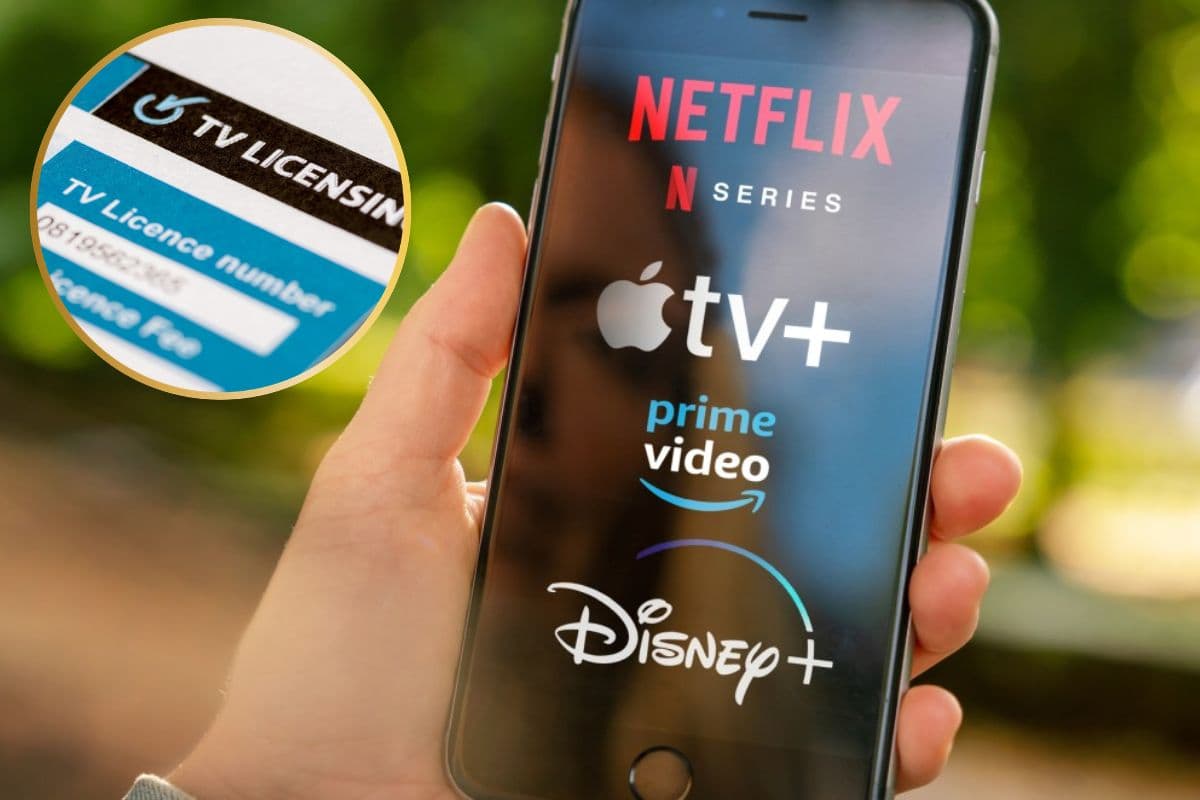
The Motion Picture Association (MPA), representing major US studios like Netflix and Disney, has advised the UK government against involving streaming services in the collection of the BBC TV license fee. This stance, communicated during a review of the BBC's Royal Charter, highlights industry resistance to new responsibilities that could increase operational costs and impact viewer experience. The MPA also opposed a streaming revenue levy and a subscription model for the BBC, while advocating for continued co-production opportunities.
Key Takeaways
- The MPA, representing Netflix, Disney, Amazon, and other studios, formally advised against requiring streaming services to collect the BBC's £180 annual TV licence fee.
- BBC licence fee evasion currently stands at 12.52%, costing the corporation approximately £550 million annually; an additional 3.6 million households legally avoid the fee by being streaming-only.
- Proposals floated by the BBC for streamer involvement include data sharing with TV Licensing, in-app pop-up warnings, or content blocking for unlicensed viewers.
- The MPA welcomed the government's commitment not to implement a levy on streaming revenues, arguing it would reduce investment in UK content.
- US studios view the BBC as a co-production partner, citing examples like "The Serpent" (Netflix) and "Bluey" (Disney), and argue that weakening BBC finances or imposing new costs impacts the wider UK production sector.
Why It Matters
The streaming industry is pushing back against regulatory attempts to offload public broadcasting funding challenges, underscoring a broader tension between traditional media models and global digital services. For platforms, new collection responsibilities could increase operational costs and negatively affect user experience, potentially leading to churn in a competitive market. While the UK government explores modernizing the BBC's funding, the industry's firm opposition complicates efforts to broaden the licence fee's reach. Watch for the forthcoming government White Paper later this year, which will outline concrete policy intentions for the BBC's next Royal Charter.
Additional Context
The pushback from the MPA comes as the UK media landscape undergoes significant regulatory shifts. In February 2026, the UK government laid secondary legislation to implement the Media Act 2024, bringing major video-on-demand services with over 500,000 UK users under enhanced Ofcom regulation (per GOV.UK, February 2026). This means platforms like Netflix, Amazon Prime Video, and Disney+ will face content standards and accessibility codes similar to traditional broadcasters. Ofcom's proposals, published in May 2026, require Tier 1 streaming services to subtitle at least 80% of content, provide audio description on 10%, and signing on 5% (Broadband TV News, May 2026). These regulatory moves highlight an ongoing effort to create a more level playing field between linear and on-demand services, particularly regarding audience protection and accessibility. However, the studios' current rejection of licence fee collection suggests a clear boundary for their engagement with new regulatory burdens, especially those impacting direct revenue or operational structure. The BBC's current Royal Charter expires at the end of 2027, with a new one slated for January 1, 2028, necessitating a resolution to these funding and regulatory debates.
Read full article at cordbusters.co.uk
Enjoy our coverage?
Add StreamingMeme as a preferred source on Google to see more of our streaming news at the top of your Search results.
Add as preferred source