

Meta smart glasses spark privacy crisis in India following nonconsensual recording
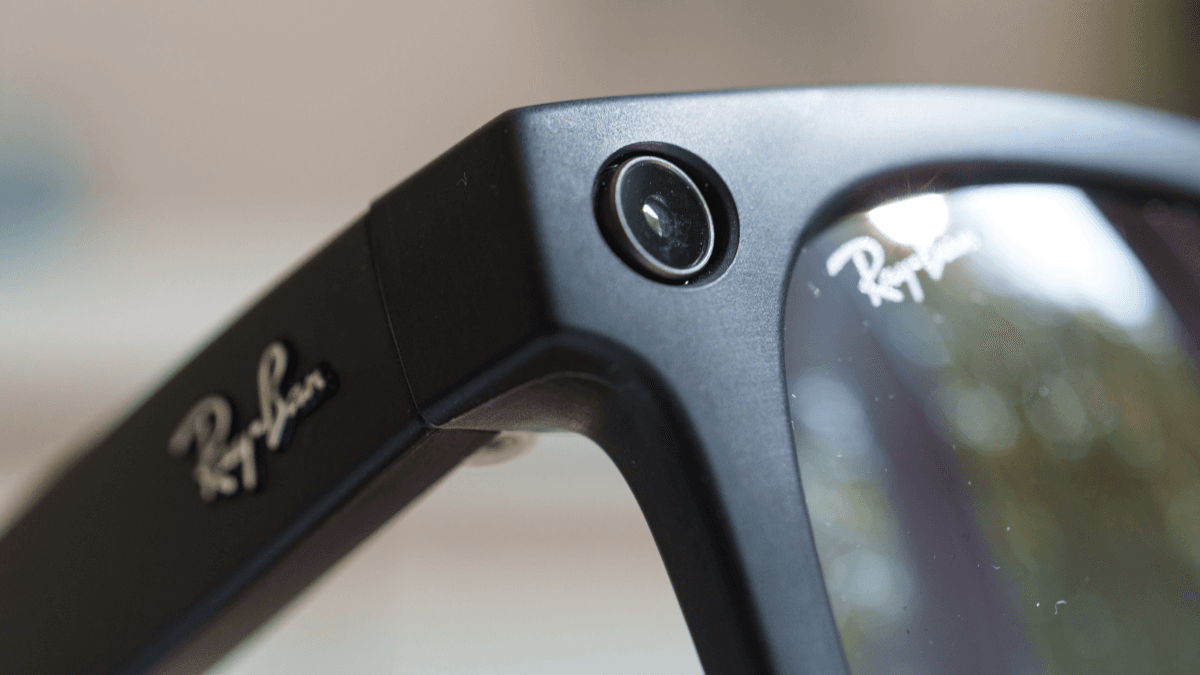
Meta is facing backlash in India over the misuse of its Ray-Ban Meta AI smart glasses to record individuals without consent. The incident has intensified debates regarding privacy, the adequacy of notification indicators, and the potential for AI-powered wearables to facilitate harassment.
Key Takeaways
- Meta reported selling over 7 million smart glasses globally in 2025 across its Ray-Ban and Oakley partnerships.
- The 'Gen 2' smart glasses are retailing in India for nearly 40,000 rupees (~$480), marketed through high-profile stars like Virat Kohli.
- Meta initially refused to remove the viral video, claiming it did not violate community standards, before deleting it after three weeks of sustained local pressure.
- Internal data workers in locations like Kenya reportedly review intimate and sensitive footage, including bathroom visits, to train the glasses' AI models.
Why It Matters
The controversy highlights a growing conflict between wearable surveillance hardware and regional privacy expectations. As hardware giants like Meta control both the recording capture device and the social distribution network (Instagram), they face increasing pressure to prove the efficacy of hardware-based privacy signals like LED lights. For the streaming industry, this represents a new front in content moderation: managing high-volume, first-person AI recordings that can bypass traditional consent norms. Expect Indian regulators to use this case to test the enforcement limits of the Digital Personal Data Protection (DPDP) Act. Watch for whether Meta implements more aggressive hardware-level lockout features to prevent unauthorized filming.
Additional Context
The backlash in India arrives as global regulatory pressure on camera-equipped wearables reaches a new peak. In July 2026, Meta launched a mandatory firmware update designed to disable the smart glasses’ camera entirely if the system detects that the LED privacy light has been tampered with or covered. This move responded to investigations by 9to5Google and CNET which found users were physically drilling into or modifying the frames to record discreetly. Per the Indian Express (July 2026), Meta is also reportedly developing 'super sensing' prototypes capable of continuous sensing, though executives have debated whether to keep the privacy LED off during these sessions to avoid 'alert fatigue.'
Simultaneously, European authorities are scrutinizing the category's underlying data practices. According to reports from Swedish outlets Svenska Dagbladet and Göteborgs-Posten (March 2026), contractors in Kenya managed by Sama were found reviewing highly sensitive, private footage captured by the glasses to improve object recognition. This led to a U.S. class-action lawsuit and formal inquiries from France’s CNIL and the UK’s Information Commissioner’s Office regarding how Meta differentiates between 'on-device' storage and cloud processing for AI training.
In India, the legal landscape is shifting with the phased implementation of the Digital Personal Data Protection (DPDP) Act. Per Tech in Asia (June 2026), a proposed pilot project between Meta and the Gujarat government to provide smart glasses to visually impaired citizens has stalled due to privacy concerns over off-device data processing. While India's Ministry of Home Affairs has defended the use of such tech for routine law enforcement, activists argue that current frameworks provide insufficient safeguards against biometric surveillance in public spaces.
Read full article at techpolicy.press
Enjoy our coverage?
Add StreamingMeme as a preferred source on Google to see more of our streaming news at the top of your Search results.
Add as preferred source