

Innosilicon LPDDR6 memory IP adopted by major Korean DRAM manufacturer
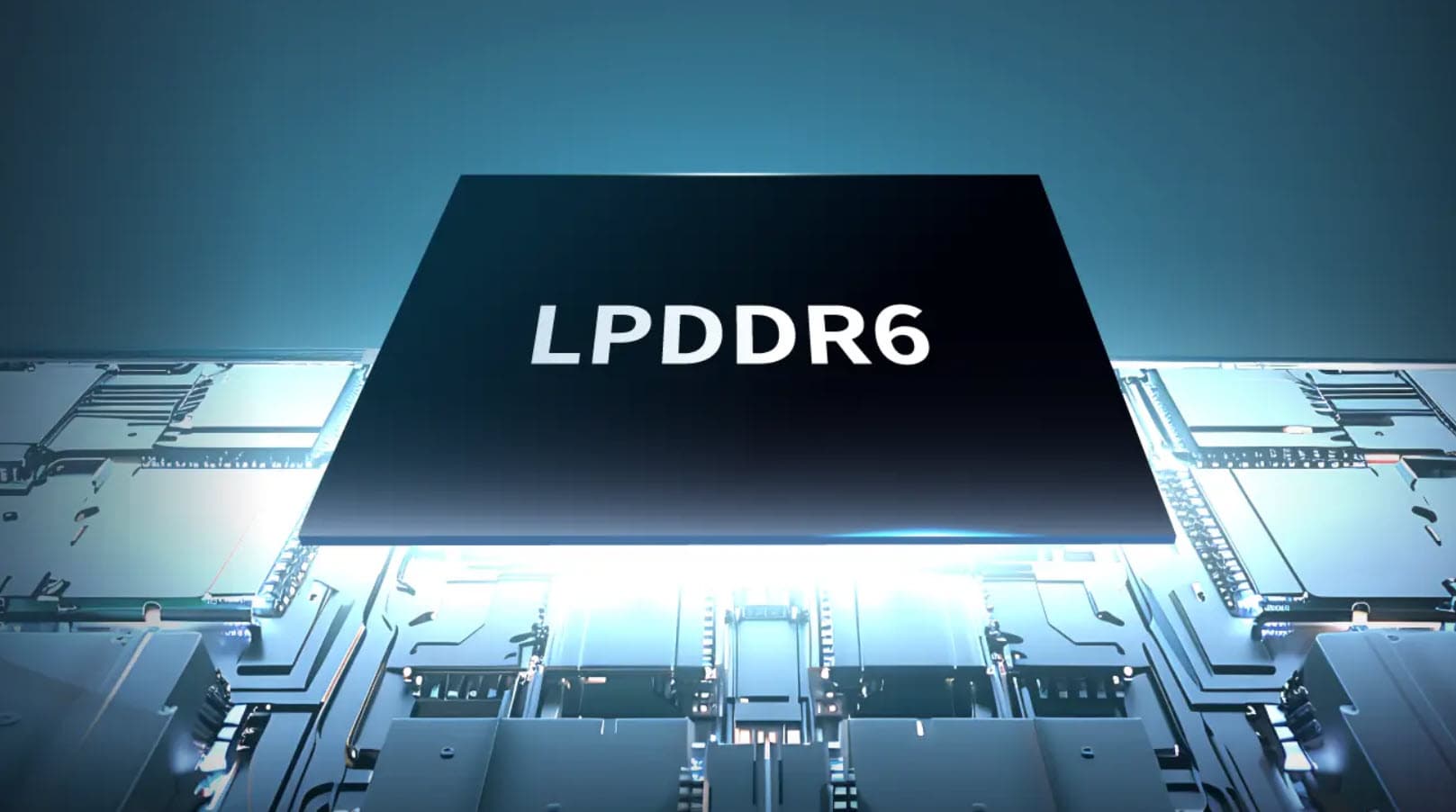
Innosilicon has announced that a major Korean DRAM manufacturer has adopted its LPDDR6 memory IP, which delivers speeds up to 14.4 Gbps. The technology aims to mitigate memory bottlenecks in high-performance computing and AI inference workloads, critical for next-generation streaming infrastructure.
Key Takeaways
- LPDDR6 memory IP reaches 14.4 Gbps, a 50% increase over the 9.6 Gbps industry standard for LPDDR5X.
- The IP was developed using China’s domestic toolchain and is scalable from 28nm to 3nm process nodes.
- Technology addresses KV Cache bottlenecks in large-model scenarios, improving single-node AI token inference efficiency.
- Innosilicon expanded its matrix to include HBM4, GDDR7, and PCIe 6.0 interface solutions.
Why It Matters
Low-power, high-bandwidth memory is critical for the edge-based AI models and localized content personalization that streaming platforms now prioritize. By securing a major Korean partner, Innosilicon validates its domestic Chinese IP on the global stage, potentially challenging the vertical integration of incumbents like SK Hynix. This adoption indicates that even top-tier manufacturers are looking outside traditional internal R&D to solve 'memory wall' bottlenecks in next-gen hardware. Watch for whether Samsung or SK Hynix confirms a specific 14.4 Gbps product launch for data center clients in Q4 2026.
Additional Context
The timing of Innosilicon's announcement coincides with significant shifts in the global semiconductor supply chain. Per Tom's Hardware and The Information (July 2026), a state-backed manufacturer in Shanghai has reportedly begun mass-producing China’s first domestic immersion deep ultraviolet (DUV) lithography machines. The first units are expected to be delivered to major Chinese chipmakers like SMIC and CXMT by the end of 2026. While these DUV machines trail the extreme ultraviolet (EUV) systems produced by ASML, they represent a strategic priority for Beijing to maintain 7nm-class manufacturing capabilities despite ongoing Western export restrictions.
Competition in the LPDDR6 space is simultaneously intensifying in South Korea. Per Herald Corp (July 2026), SK Hynix is preparing to mass-produce its own LPDDR6 modules in the second half of 2026 using its sixth-generation 10nm (1c) process. These modules are also targeting the 14.4 Gbps performance ceiling while promising a 20% reduction in power consumption compared to previous generations. Samsung has already debuted its own LPDDR6 silicon using a 1b-nm process, which it showcased earlier this year at CES 2026, signaling that the primary memory vendors are moving aggressively to secure early market share in the AI-driven mobile and data center sectors.
Market experts noted that while Innosilicon provides the underlying logic blocks, the actual physical production of these LPDDR6 chips still relies on the specialized logic and advanced fabs maintained by the 'Big Three'—Samsung, SK Hynix, and Micron. Per Reuters (July 2026), China remains a major market for advanced memory, even as domestic players like CXMT expand their capacity. The adoption of Chinese IP by a Korean giant suggests a growing interdependency: global leaders require specialized high-speed interface solutions to unlock the theoretical maximum bandwidth of their newest silicon, regardless of the IP's origin.
Read full article at wccftech.com
Enjoy our coverage?
Add StreamingMeme as a preferred source on Google to see more of our streaming news at the top of your Search results.
Add as preferred source