
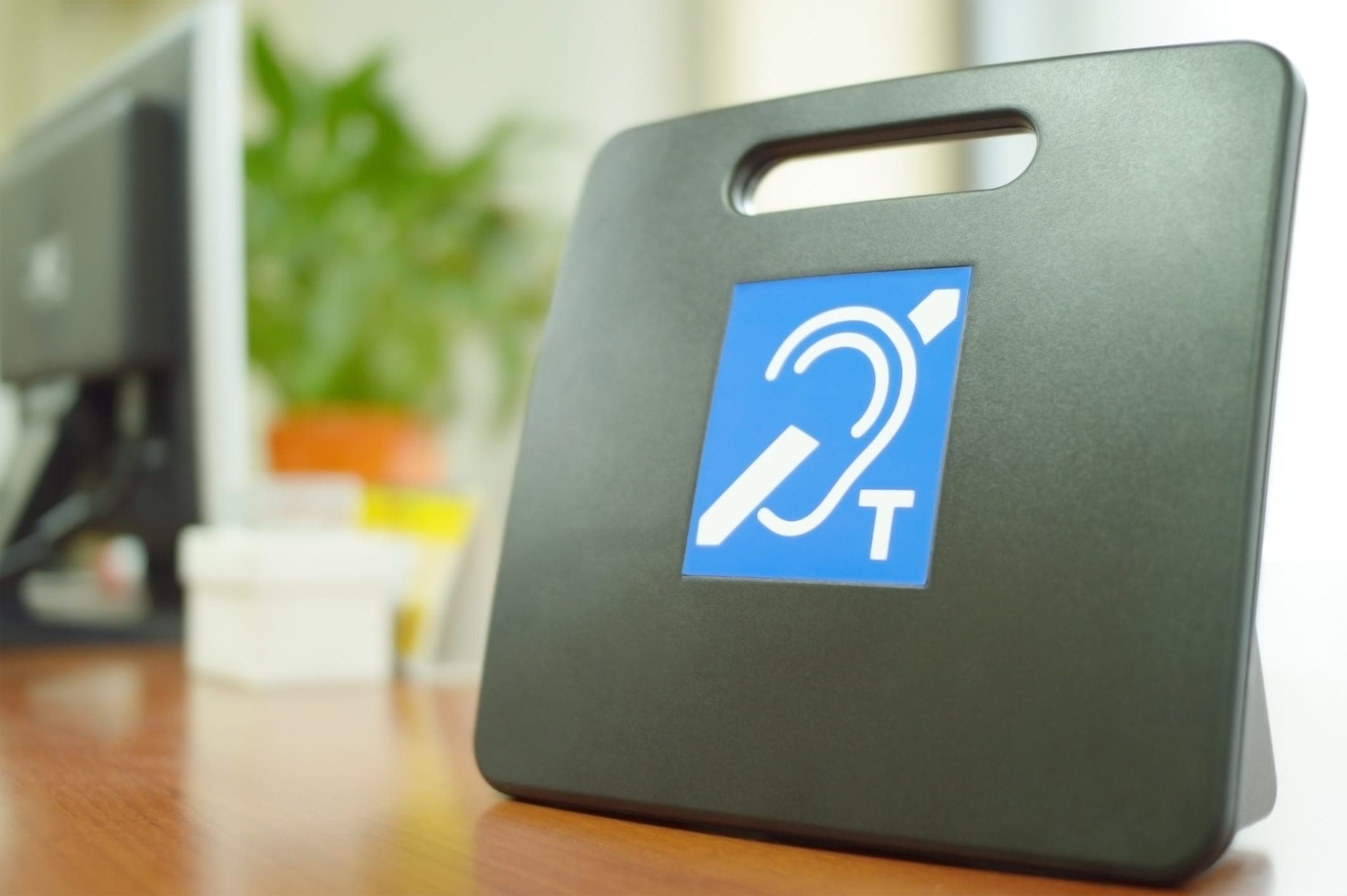
The International Association for Hearing Accessibility (IAHA) has formed a new working group in collaboration with the Bluetooth SIG and EFHOH to standardize global regulations for assistive listening. The group aims to create a technology-agnostic framework for public venues to improve accessibility, with a focus on the adoption of Auracast broadcast audio.
The formation of this group signals a shift from fragmented regional mandates toward a unified infrastructure for assistive audio. For streaming providers and device manufacturers, the focus on Auracast suggests that broadcast-capable audio will move from a niche accessibility feature to a standard hardware requirement. As global regulations tighten, hardware and platform interoperability will become critical for compliance in public and semi-public viewing environments. Watch for the working group's initial framework release in late 2026 to see how it aligns with emerging FCC mandates.
The IAHA’s regulatory push coincides with increased government scrutiny of media accessibility. Per the FCC (January 2025), a new 'readily accessible' requirement for closed captioning display settings will take effect in August 2026. This mandate forces manufacturers of TVs, set-top boxes, and smartphones to ensure caption settings are discoverable and consistent across all pre-installed apps. The FCC’s focus on 'consistency and persistence' mirrors the IAHA’s goal of ensuring that accessibility features work reliably regardless of the specific technology or venue in use.
Technological adoption is already accelerating across major electronics manufacturers. According to the Bluetooth SIG (February 2026), partners including Sony, Samsung, and OPPO have integrated Bluetooth LE Audio and Auracast into their 2025-2026 product cycles. Samsung has specifically deployed LE Audio-based hearing aid connectivity in its latest smartphones and tablets, targeting use cases like guided tours and museum broadcasts. This hardware momentum provides the necessary scale for the IAHA's proposed regulations to gain traction among public venue operators.
Furthermore, the industry is preparing for a broader transition period as older hardware is phased out. Per the Hearing Health Foundation (February 2024), while Auracast is expected to connect 3 billion devices by 2030, the typical replacement cycle for hearing aids is three to seven years. In the interim, firms like Ampetronic are developing hybrid systems that support both legacy hearing loops and new Auracast standards. The IAHA working group's emphasis on technology-agnostic standards reflects this reality, ensuring venues remain compliant during the multi-year shift to Bluetooth-based assistive listening.
Add StreamingMeme as a preferred source on Google to see more of our streaming news at the top of your Search results.
Add as preferred source