

HDMI 2.1b Retains Living Room Dominance Despite DisplayPort's Bandwidth Superiority
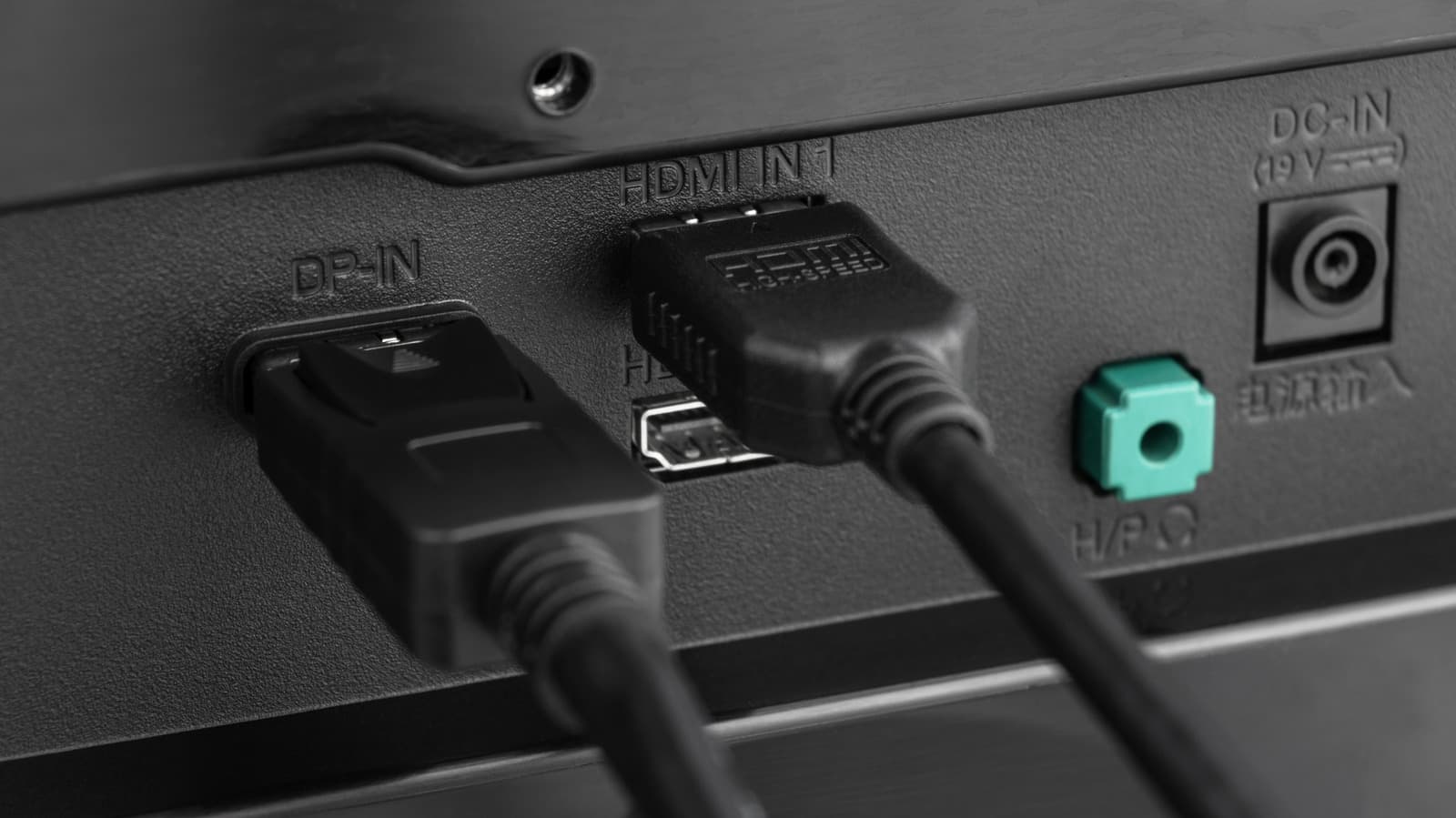
This article discusses why smart TVs predominantly use HDMI 2.1b over DisplayPort, despite DisplayPort's technical advantages in bandwidth and features. It highlights HDMI's market entrenchment, its long-standing presence, and a licensing model that deters TV manufacturers from adopting DisplayPort for their products. The article describes how HDMI's integration with other consumer devices and its TV-specific features like CEC outweigh DisplayPort's benefits for manufacturers.
Key Takeaways
- DisplayPort 2.1a supports 80Gbps bandwidth, significantly higher than the 48Gbps cap of HDMI 2.1b.
- HDMI 2.2, standardized in June 2025, reaches 96Gbps, effectively leapfrogging current DisplayPort specifications.
- TV manufacturers prioritize HDMI CEC features and wide device compatibility over DisplayPort features like daisy-chaining and Alt Mode.
- Low 8K television demand has led major brands like Sony and LG to scale back market presence, reducing the immediate need for DisplayPort's uncompressed 8K60Hz capabilities.
Why It Matters
HDMI's dominance in the smart TV market remains unassailable due to deep institutional inertia and a collaborative licensing model that spans over 2,000 registered adopters. While DisplayPort offers technically superior uncompressed color rendering for 8K content, the streaming and gaming console ecosystems remain firmly built around HDMI 2.1 infrastructure. For streaming device manufacturers and TV OEMs, the cost of dual-interface integration outweighs the benefit for a niche PC-centric user base. Watch for the commercial rollout of HDMI 2.2-compliant chipsets in mid-2026 to see if the interface further widens its lead in high-bandwidth transmission.
Additional Context
The rivalry between interface standards comes as the consumer electronics market recalibrates for ultra-high-bandwidth needs. Per Omdia (January 2026), 8K TV shipments accounted for less than 0.2% of the global market in 2025, validating decisions by major OEMs to deprioritize high-cost interface transitions. This lack of demand has allowed HDMI to focus on iterative improvements like HDMI 2.1a and 2.1b, which introduced Source-Based Tone Mapping (SBTM) to enhance HDR performance without requiring a hardware overhaul. Additionally, per Digital Trends (April 2026), recent firmware updates for the latest generation of streaming dongles have emphasized HDMI 2.1 QMS (Quick Media Switching) to eliminate 'black screens' during frame rate shifts, a feature specifically tailored for the home theater experience rather than the raw pixel throughput prioritized by DisplayPort.
Market dynamics are further influenced by the silicon supply chain. Per Bloomberg (March 2026), major SoC providers like MediaTek and Broadcom have integrated HDMI 2.1b directly into their latest smart TV reference designs, effectively making the interface the default for 90% of mid-range and premium television sets. While the Gaming PC segment continues to push DisplayPort 2.1 adoption for high-refresh-rate 4K monitors, the television industry is moving toward wireless standards for future connectivity. This includes the Wi-Fi Alliance's recent certification path for Wi-Fi 7-based screen mirroring, which could eventually render physical port wars secondary to wireless latency benchmarks.
Read full article at slashgear.com
Enjoy our coverage?
Add StreamingMeme as a preferred source on Google to see more of our streaming news at the top of your Search results.
Add as preferred source