
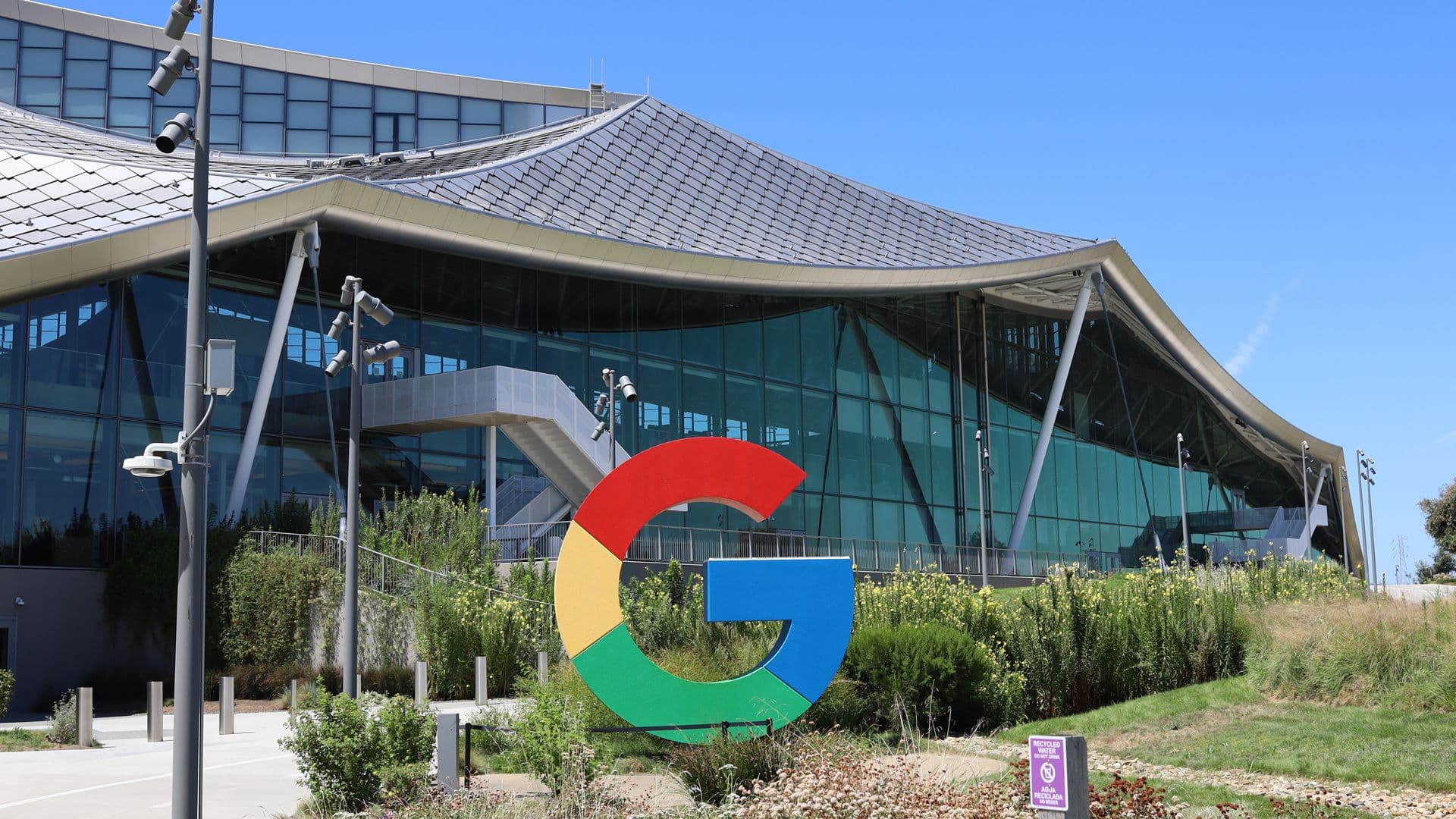
Google is investing $1.5 billion to expand its Alabama data center, committing to power it with 100% carbon-free energy. This expansion is driven by the growing demand for compute from AI and machine learning models, which underpin Google's cloud and consumer services. This initiative supports Google's broader goal of running its data centers on 24/7 carbon-free energy by 2030.
This investment underscores the physical cost of the generative AI boom, which requires massive compute scaling that outpaces traditional data center energy needs. For the B2B streaming and cloud ecosystem, Google’s commitment to self-funding infrastructure and sourcing 100% carbon-free energy is a strategic move to insulate its expansion from public and regulatory pushback over grid strain. It signals that reliable, clean power has become the primary bottleneck for scaling cloud-based video and AI services. Watch for the implementation of Google's 2025 partnership with Kairos Power to bring advanced nuclear energy to this specific regional grid as a long-term solution for 'always-on' carbon-free power.
The Alabama expansion reflects a broader industry structural imbalance. Per Gartner (June 2026), global data center electricity consumption is projected to reach 565 terawatt-hours (TWh) this year, a 26% increase from 2025. Gartner specifically estimates that AI-optimized servers will account for 31% of all data center power use in 2026, with their consumption expected to surpass that of conventional servers by 2027. This surge has made power security a critical competitive advantage for hyperscalers like Google, Microsoft, and Amazon as they race to provide infrastructure for enterprise AI applications.
To manage this demand, hyperscalers are increasingly investing in experimental energy and materials. Per ESG Today (May 2026), Google joined Amazon, Meta, and Microsoft in launching the Data Center Innovation Initiative (DCII). This fund, managed by Elemental Impact, will invest up to $50 million through 2027 in startups focused on advanced cooling, energy storage, and low-carbon building materials like green cement. This collaborative effort aims to standardize sustainable infrastructure as grid connectivity timelines for new data centers now stretch between five and seven years in many markets.
Furthermore, Google’s environmental reporting suggests that while it maintained a 100% renewable energy match globally since 2017, the shift toward 24/7 carbon-free energy (CFE) is more difficult. According to Google’s 2025 Environmental Report, the company achieved 66% CFE on an hourly basis across its global operations in 2024. The reliance on the Alabama and Tennessee Valley Authority (TVA) partnership is a key component of this strategy, as it utilizes a $2 million fund to weatherize local schools and homes while repurposing infrastructure from a retired coal plant to support high-density AI racks.
Add StreamingMeme as a preferred source on Google to see more of our streaming news at the top of your Search results.
Add as preferred source