

Google Play unbundles fees as 25% rate hits existing installs
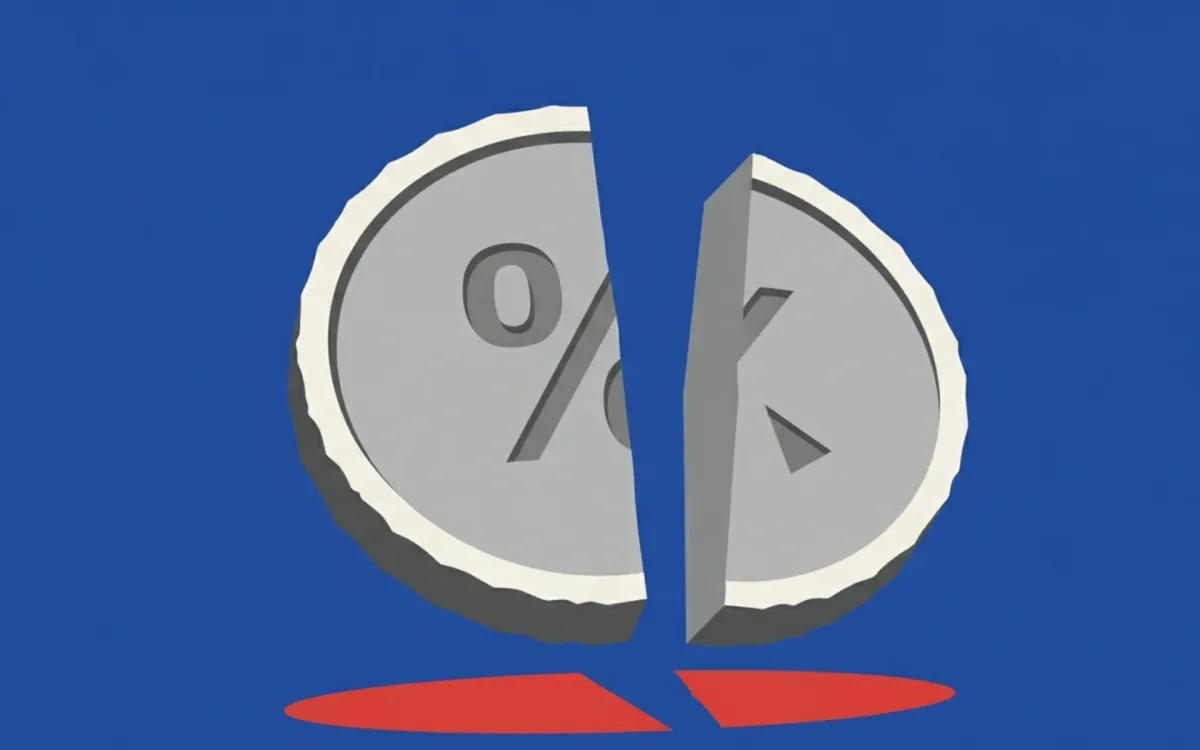
Google Play has restructured its commission model in the US, UK, and EEA, splitting fees into a platform service fee and a separate billing fee for processing. Developers now face service fees of 20% for new installs and 25% for existing installs, with potential rate reductions available through new compliance programs for apps and games.
Key Takeaways
- Google separated its 30% commission into a platform service fee and a 5% billing fee for transactions using Google's payment rails.
- Non-recurring service fees are now tiered by install age: 25% for existing installs and 20% for new installs after June 30, 2026.
- Developers must implement specific SDKs, including Engage and Play Games Services v2, to qualify for 5% lower 'program rate' cards.
- Independent analyst Eric Seufert calculates that switching to alternative billing yields little financial benefit due to third-party processor costs and conversion friction.
- The 10% rate for recurring subscriptions and the first $1M in annual developer revenue remains unchanged under the new arithmetic.
Why It Matters
The decoupling of distribution and payment fees reflects a permanent shift in mobile economics as gatekeepers respond to regulatory mandates like the EU’s Digital Markets Act. For video and game developers, the restructuring introduces a 'base turnover' reality where mature user bases are taxed at higher rates than new acquisitions, effectively penalizing long-term retention unless apps undergo costly engineering revalidations. This move forces a strategic choice: absorb higher margin pressure or invest in Google’s specific SDK ecosystem to claw back 5 points. Competitively, this aligns Google with Apple's unbundled structures in Japan and Europe, signaling a converged industry standard where platform access is priced separately from financial processing. Watch for developer adoption rates of the Apps Experience Program as a proxy for whether the 5% discount outweighs technical debt.
Additional Context
The June 2026 restructuring follows a landmark global settlement between Google and Epic Games officially announced on March 4, 2026. Per TechCrunch, that agreement resolved years of antitrust litigation, including a 2023 jury verdict that found Google’s Play Store practices were monopolistic. As part of this settlement, Google agreed to simplify sideloading for third-party stores and allow Fortnite to return to the platform, while implementing the tiered 20% and 25% fee structure to satisfy court-mandated competition requirements.
Simultaneously, European regulators continue to tighten the screws under the Digital Markets Act (DMA). In July 2026, the Court of Justice of the European Union (CJEU) dismissed Google’s final appeal against a €4.1 billion fine related to Android’s search dominance, per Computing.co.uk. The court affirmed that Google’s tying of the Play Store to its own search and browser services produced anticompetitive effects. This judicial momentum has triggered a wave of follow-on lawsuits across Germany and Italy, pressuring Google to prove its 'billing choice' programs provide genuinely 'equally effective access' for rivals.
The impact on small developers remains a point of contention. While Google maintains that 99% of developers qualify for a 15% rate or lower, market reports from Foresight Mobile in early 2026 indicate that user behavior is slow to shift. Epic Games reportedly reached only 29 million of its 100 million target installs for its alternative store by January 2026, highlighting the 'scare screen' friction that remains a hurdle. For B2B strategists, the 2026 fee decomposition confirms that while 'headline' rates are falling, operational complexity—including secondary transaction reporting and global tax compliance—is the new primary cost of mobile distribution.
Read full article at ppc.land
Enjoy our coverage?
Add StreamingMeme as a preferred source on Google to see more of our streaming news at the top of your Search results.
Add as preferred source