
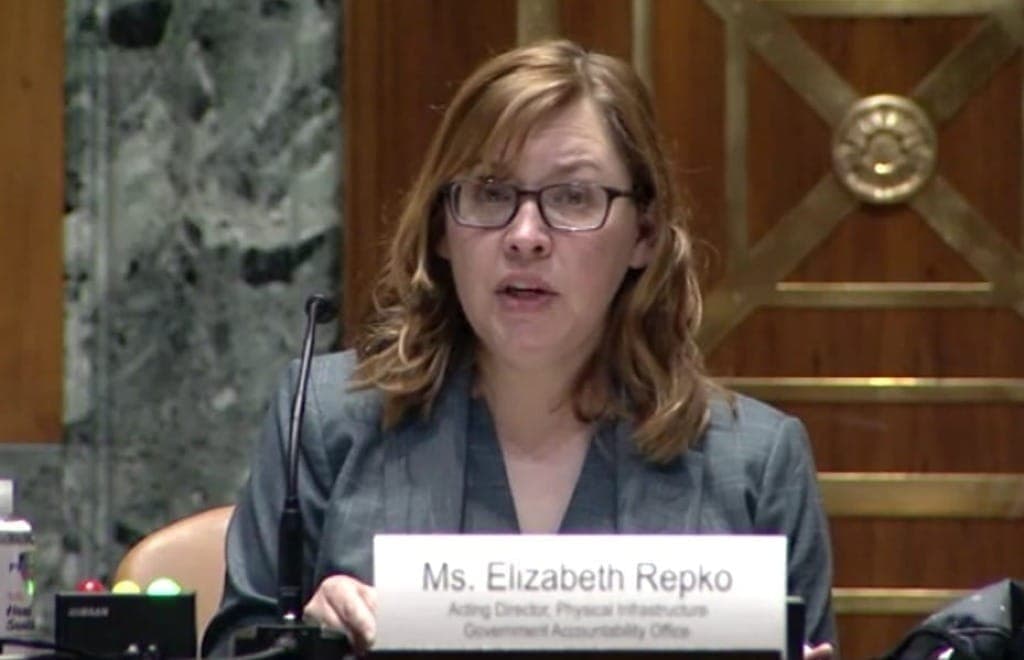
A GAO report indicates the NTIA withheld key data regarding its review of $47.7 billion in broadband grants, complicating transparency for the BEAD program. The ongoing restructuring of these funds has left $21 billion in limbo, potentially delaying infrastructure deployment necessary for high-bandwidth streaming reach.
The $21 billion funding bottleneck directly stalls the high-speed fiber and satellite deployments necessary to expand the addressable market for high-bandwidth streaming services in rural areas. By withholding data on award modifications, the NTIA creates a transparency vacuum that complicates state-level planning for middle-mile and last-mile infrastructure. For the streaming ecosystem, this regulatory friction suggests that the 'universal broadband' milestone required for total linear-to-streaming migration is moving further into the future. Watch for the NTIA to issue its long-delayed guidance on the $21 billion in 'federal savings' to determine if those funds will actually return to infrastructure projects.
The GAO’s findings arrive as the National Telecommunications and Information Administration (NTIA) undergoes a significant policy pivot under the second Trump administration. Per NTIA announcements in early 2026, the agency has moved to a 'technology-neutral' approach, effectively rescinding previous preferences for fiber-optic deployments to include satellite and wireless providers in the $42.45 billion BEAD program. In May 2026, NTIA Administrator Arielle Roth highlighted Nebraska as the site of the first household connection under these restructured 'Benefit of the Bargain' reforms, which the administration claims will eventually yield $21 billion in taxpayer savings.
However, this transition has been marked by friction between federal oversight and state execution. Per Broadband Breakfast reporting in July 2026, state broadband directors from Ohio and other territories expressed frustration over a 'monthslong wait' for guidance on how to spend remaining funds. The delay has forced some states to dismantle workforce development partnerships and pause subgrantee selections. Furthermore, per Statescoop in July 2026, the NTIA recently directed states to review their satellite project lists after updated FCC data suggested up to 35% of previously approved locations might no longer be eligible for federal subsidies, potentially clawing back an estimated $354 million from low-Earth orbit satellite providers.
Broadly, the GAO has repeatedly flagged NTIA’s management of broadband funds as a high-priority risk. A June 2026 GAO letter noted that the agency had implemented only one of 11 priority recommendations issued a year prior, specifically citing failures in interagency coordination and financial sustainability. As the Department of Commerce continues to review awards for alignment with Executive Order 14222—the administration's cost-efficiency initiative—the streaming industry faces continued uncertainty regarding when the infrastructure will be in place to support 4K and live sports delivery to the final 10% of the U.S. population.
Add StreamingMeme as a preferred source on Google to see more of our streaming news at the top of your Search results.
Add as preferred source