

Free Smart TV Apps Convert Devices into Web-Scraping Proxies for AI
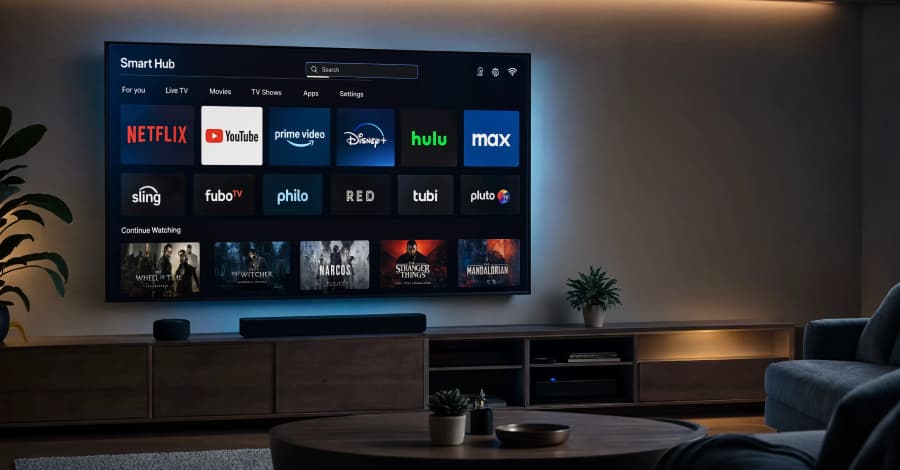
Free smart TV applications are reportedly transforming connected TVs into web-scraping proxies for AI data collection, raising concerns about user privacy and data security. This practice impacts the CTV ecosystem and presents compliance challenges for streaming professionals. The article highlights how AI is being covertly used to gather data through installed apps.
Key Takeaways
- Free smart TV apps are utilizing connected TVs to function as web-scraping proxies for AI data collection.
- The practice introduces user privacy and data security concerns for consumers.
- Streaming professionals face new compliance challenges due to AI covertly gathering data through installed applications.
Why It Matters
The practice of free smart TV apps converting devices into AI web-scraping proxies exposes a significant vulnerability in the CTV ecosystem and home networks. This development means that consumer devices are actively participating in data collection activities without explicit, informed consent, posing substantial privacy and security risks. The industry needs to rapidly address how consent is obtained for resource utilization and implement stricter oversight on third-party SDKs in streaming applications. Regulators will likely scrutinize default data caps and the clarity of user agreements on smart TV platforms, with potential for new policies impacting app developers and CTV manufacturers.
Additional Context
Following the initial report, multiple outlets like HotHardware, Blade Intel, and Hexon highlighted the technical specifics of this proxy network, identifying Bright Data (formerly Luminati Networks) as a key player. Bright Data reportedly sells access to a network of over 400 million residential IP addresses to AI companies for model training, with devices becoming part of this network via SDKs embedded in free apps (per HotHardware, June 2026).
Users are prompted to accept terms allowing apps to "use idle device resources," often with default data caps up to 200 gigabytes per month, a significant amount for many households (Hexon, June 2026). Smart TVs are attractive targets due to their constant power supply, stable Wi-Fi, and lack of robust security oversight compared to other devices. Although Bright Data maintains its model relies on consent screens, the transparency and clarity of this consent are under scrutiny, with some reporting minimal descriptions of background activity (Let's Data Science, June 2026).
Platforms such as Google, Amazon, and Roku have restricted background proxy SDKs, leading Bright Data to reportedly drop support for these platforms, though Samsung's Tizen and LG's webOS remain impacted (Blade Intel, June 2026). The growing demand for AI training data is seen as a primary driver, pushing scraping activities away from easily-blocked data centers to residential IPs (Hexon, June 2026). This shift complicates bot detection and attribution for online services while transferring operational costs and risks to consumers.
Read full article at thehackernews.com
Enjoy our coverage?
Add StreamingMeme as a preferred source on Google to see more of our streaming news at the top of your Search results.
Add as preferred source