

FIFA expands digital reach with influencer and social streaming partnerships
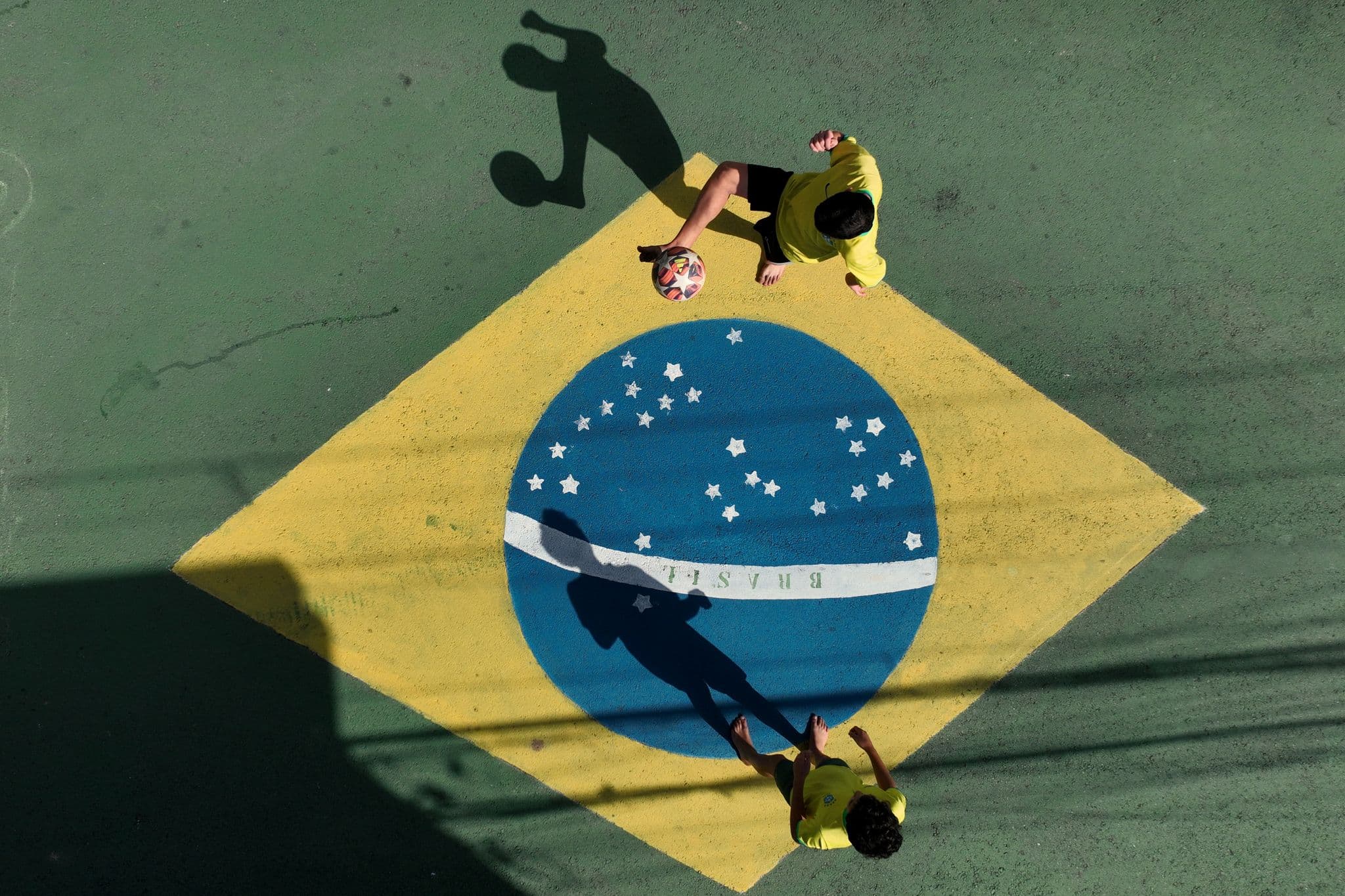
FIFA is expanding its digital distribution strategy for the 2026 World Cup by partnering with influencer CazéTV in Brazil to stream all 104 games, and allowing parts of matches to be streamed live on YouTube and TikTok globally. This move aims to engage younger audiences and set new digital viewership records through 'game-changing' partnerships with digital-first platforms. The strategy highlights a shift from traditional linear broadcasting to incorporating social media and influencer-led streaming for major sporting events.
Key Takeaways
- CazéTV secures exclusive rights in Brazil to stream all 104 matches, outperforming traditional broadcaster Globo which holds 55 games.
- YouTube and TikTok serve as 'preferred platforms,' allowing rights-holders to stream the first 10 minutes of games live to non-subscribers.
- FIFA projects 2.7 billion digital-only viewers for 2026, building on the 237 million who streamed the 2022 final.
- Netflix expands FIFA's streaming footprint by securing exclusive U.S. rights for the 2027 and 2031 Women’s World Cups.
Why It Matters
FIFA’s shift toward influencer-led and social media streaming signals the end of the traditional broadcast exclusivity era for Tier-1 sports. By using short-form platforms like TikTok as discovery 'appetizers,' FIFA is attempting to solve the fragmentation problem inherent in younger demographics. For the streaming ecosystem, this confirms that major rights holders now view high-reach social platforms as essential funnel components rather than competitive threats. Success in 2026 will likely set a blueprint for how future Olympic and NFL rights are packaged, prioritizing community interaction over linear passivity. Watch for digital engagement metrics in Brazil to determine if influencer-led broadcasts can consistently outperform traditional network averages in ad revenue.
Additional Context
The 2026 World Cup's expanded format, growing from 32 to 48 teams and 104 total matches, is projected to generate $11 billion in total revenue for FIFA during the 2023-2026 cycle, per FIFA's own budget reports. This represents a substantial increase from the $7.5 billion generated during the 2022 Qatar cycle. Media rights alone are expected to contribute approximately $4.3 billion to this total, benefiting from favorable North American time zones that align with prime-time viewing windows in both Europe and the Americas.
In the United States, Fox Sports has intensified its digital integration by launching 'Fox One,' a direct-to-consumer experience that will stream every match in 4K, according to Fox Corporation (January 2026). To further capture younger audiences, Fox-owned Tubi will simulcast the tournament's opening ceremonies and high-profile matches like USA vs. Paraguay for free. Per MediaPost (June 2026), U.S. ad spend for the tournament is projected to hit $850 million, nearly tripling the $282 million spent during the 2022 event, as brands pivot toward the increased inventory provided by the 104-match schedule.
Beyond the men's tournament, FIFA is cementing long-term streaming partnerships to stabilize future revenue. Per The Guardian (December 2024), Netflix secured its first major live football deal by acquiring exclusive U.S. rights for the 2027 and 2031 Women's World Cups. This agreement marks the first time Women's World Cup rights have been unbundled from the men's tournament, signaling a market shift where streaming giants are now willing to bid for entire competition cycles rather than just supplemental highlights.
Read full article at theintelligencer.com
Enjoy our coverage?
Add StreamingMeme as a preferred source on Google to see more of our streaming news at the top of your Search results.
Add as preferred source