
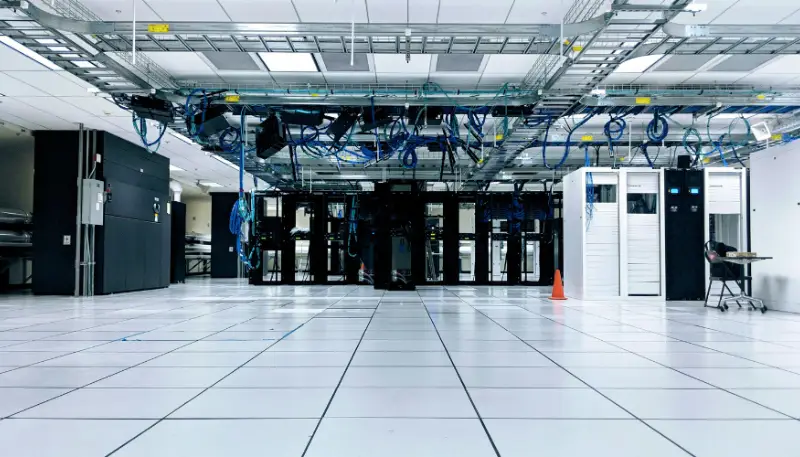
Cloud operations teams are shifting focus from simply increasing GPU capacity to optimizing resource utilization through better scheduling, visibility, and workload-aware management. This transition addresses inefficiencies in AI workloads, where standard capacity monitoring fails to identify throughput bottlenecks and predictable scheduling challenges.
The 'GPU scramble' phase is ending, replaced by a mandate for economic rigor. Immediate implications include a surge in demand for orchestration software that can manage fractional GPUs and multi-tenant sharing. For the streaming ecosystem, this shift is critical as platforms integrate energy-intensive AI for real-time transcoding and personalized recommendations. Executives must now prioritize system-level co-design — integrating networking, storage, and compute — to avoid overspending on idle silicon. Watch for the emergence of 'cost per productive hour' as the dominant procurement metric over standard hourly rental rates by Q4 2026.
The operational shift toward efficiency comes as the industry moves past the acute silicon shortages of 2023. Per Data Center Knowledge (July 2026), major vendors like HPE and Nvidia are now focusing heavily on reducing network-induced latency and orchestration bottlenecks to ensure large clusters remain busy. While GPU availability has improved, new constraints have emerged. A coalition of trade associations warned in July 2026 that surging AI buildouts are straining global memory supply, with High Bandwidth Memory (HBM3e) becoming a primary chokepoint that limits actual accelerator throughput.
Financial pressure is also driving this optimization trend. According to a July 2026 report from Silicon Angle, many enterprises are suffering from 'GPU starvation,' where expensive chips sit idle waiting for data from local or remote storage. In response, partnerships like the one between Cloudera and Vast Data (July 2026) are building 'AI factories' designed to ingest and deliver data faster to maximize investments. Meanwhile, the cost of top-tier hardware remains high; per Compute Exchange (March 2026), while H100 rental rates have stabilized, the new Blackwell B200 instances command premiums up to 2.2x higher than previous generations, making utilization metrics the difference between a viable product and an unsustainable infrastructure bill.
Add StreamingMeme as a preferred source on Google to see more of our streaming news at the top of your Search results.
Add as preferred source