

Elgato Debuts Wave XLR Pro: Dual XLR Interface for Complex Streamer Setups
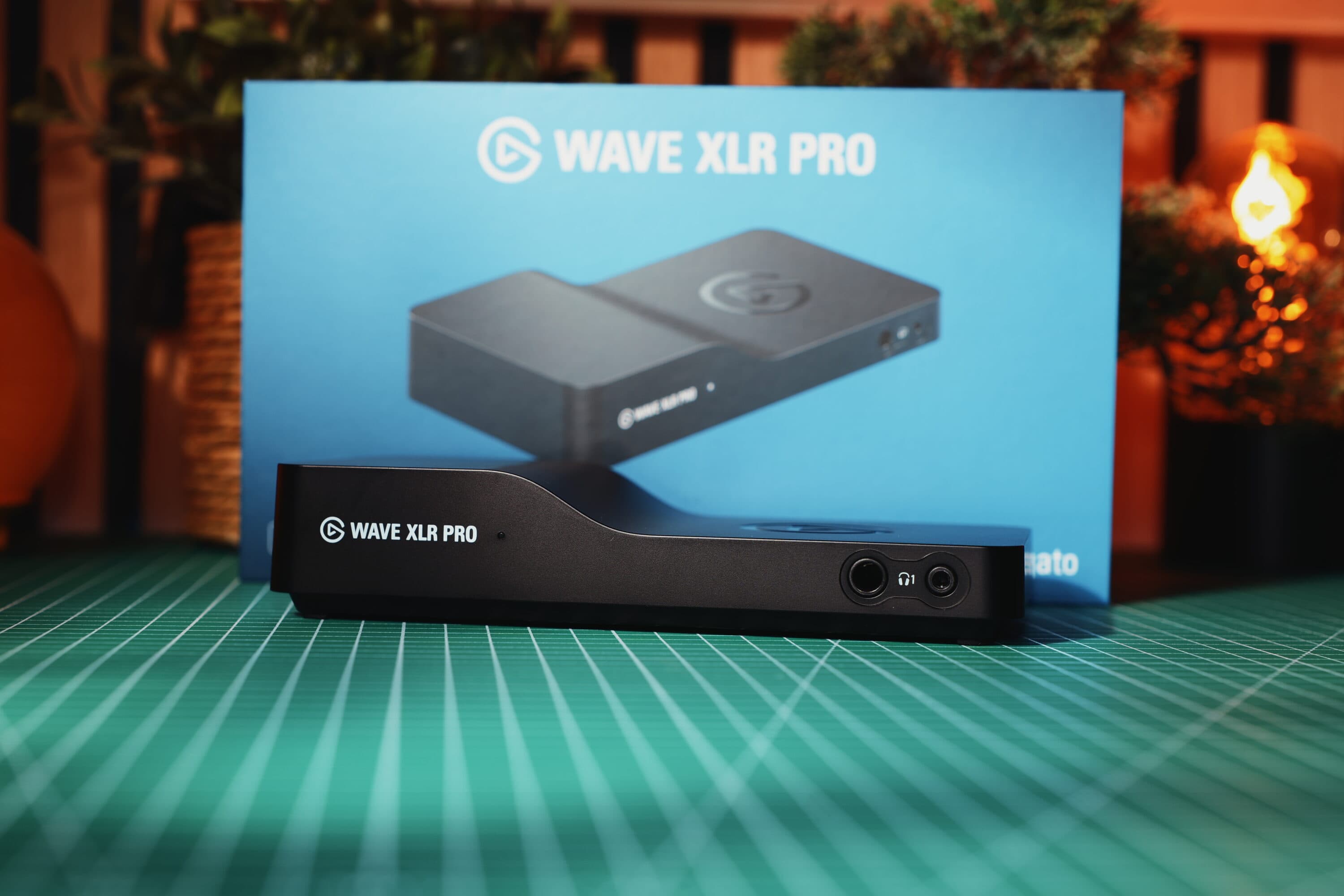
Elgato has launched the Wave XLR Pro, a new audio interface designed for streamers with complex setups, featuring dual XLR inputs and a hardware mixing engine. Priced at 349.99 euros, it offers advanced routing, DSP effects, and standalone operation, differentiating itself from its predecessor and other interfaces in its class. The device integrates with Elgato's Wave Link 3.0 software and Stream Deck for control, providing a modular solution for multi-microphone and multi-source streaming setups.
Key Takeaways
- The Wave XLR Pro features dual independent XLR inputs, each with 80 dB gain and 48V phantom power, suitable for multi-microphone setups.
- It includes a hardware mixing engine, offering five independent stereo mixes with zero latency and individual channel control for levels, muting, and effects.
- Exclusive features include hardware ducking and a Mix Maximizer for each of the five mixes, processing audio on the device.
- The interface operates in standalone mode without a connected computer, retaining saved configurations for DSP effects and routing.
- Despite lacking physical controls, it integrates fully with Elgato Wave Link 3.0 software and Stream Deck for control.
Why It Matters
Elgato's Wave XLR Pro targets advanced streamers and podcasters, providing a compact, hardware-centric solution for complex audio routing and multi-microphone use. This move expands Elgato's ecosystem beyond single-user setups, offering professional-grade mixing without a traditional console. The shift towards modular control via Stream Deck rather than integrated physical faders could influence future hardware design in the streaming production space, emphasizing software-defined workflow flexibility. Watch for how competitors respond with integrated versus modular control solutions for this segment.
Additional Context
The introduction of the Elgato Wave XLR Pro builds on a growing trend in the streaming hardware market towards more sophisticated, yet compact, audio solutions. In late 2025, rival brand Rode updated its Rodecaster Pro line with enhanced multi-track recording and improved DSP, as reported by TechRadar in October 2025, directly competing for the podcast and multi-user streaming demographic. Similarly, Behringer launched a series of small-format digital mixers designed for live streaming earlier in 2026, per Mixdown Magazine in February 2026, offering similar hardware-based mixing capabilities at a competitive price point. This indicates a market demand for robust, desktop-friendly solutions that bridge the gap between consumer-grade equipment and full-scale studio setups. The emphasis on hardware-accelerated DSP and standalone operability seen in the Wave XLR Pro aligns with user feedback for reduced latency and system independence, a sentiment echoed in various streaming forums throughout early 2026. The integration with Stream Deck further highlights the importance of a unified control ecosystem, a strategy also pursued by companies like Loupedeck, which released new software integrations for its creative consoles in January 2026, according to Engadget. This suggests a continued move towards highly customizable, software-driven hardware experiences for content creators.
Read full article at basic-tutorials.com
Enjoy our coverage?
Add StreamingMeme as a preferred source on Google to see more of our streaming news at the top of your Search results.
Add as preferred source