
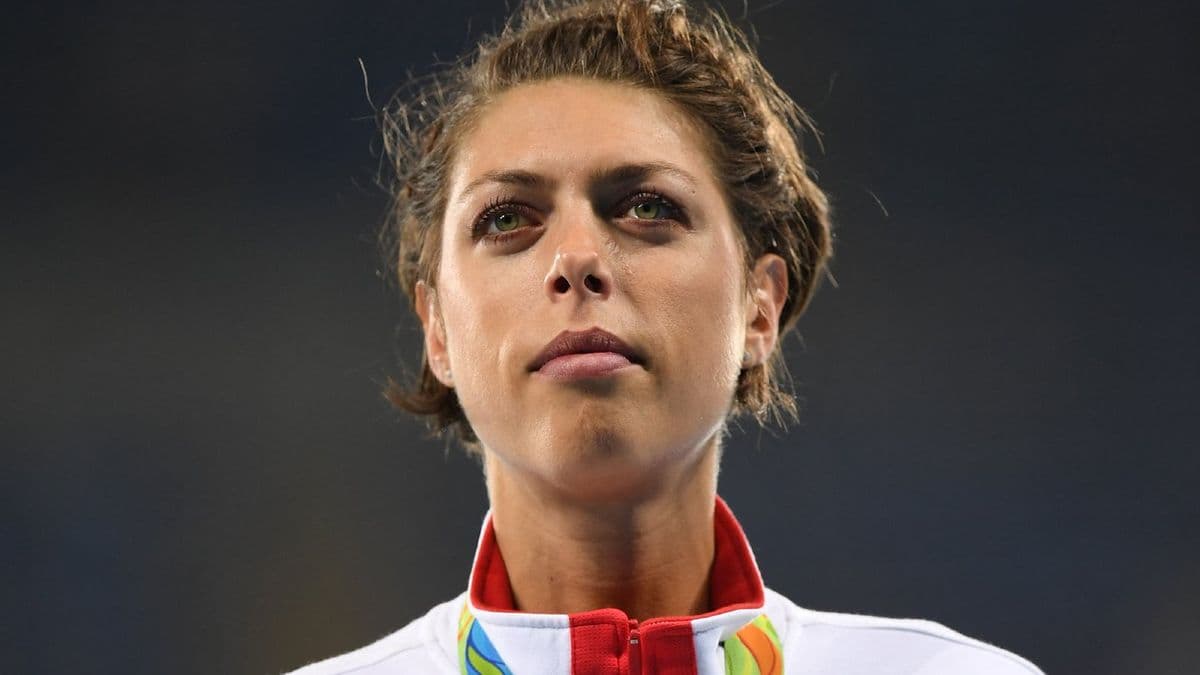
The European Broadcasting Union has introduced updated production guidelines that restrict specific camera angles and excessive slow-motion replays during women's athletics broadcasts. The new standards aim to emphasize athletic technical performance and professional dignity by removing framing choices that may sexualize competitors.
This shift marks a critical transition from generalized and aesthetic television production to performance-oriented technical standardizing. For sports broadcasters, these guidelines necessitate a recalibration of camera plots and editing workflows, effectively prioritizing athletic storytelling over traditional 'human interest' focus. The move also highlights the increasing influence of athlete mental health on B2B broadcasting standards, as athletes cite social media harassment from improper footage as a distraction. Watch for World Athletics to potentially adopt these standards globally, which would force non-EBU entities like World Athletics Diamond League into technical compliance.
The EBU's new directive aligns with a broader industry push toward 'sport appeal over sex appeal,' an initiative championed by Olympic Broadcasting Services (OBS) CEO Yiannis Exarchos during the 2024 Paris Games. Per CNN and Reuters in June 2024, OBS instructed camera crews to apply consistent framing standards to both male and female athletes to eliminate gendered bias. This effort follows high-profile pushbacks against sexualization in athletics, including the German gymnastics team’s 2021 switch to full-body unitards and the 2024 controversy surrounding Nike’s high-cut Team USA track kits, which critics like former champion Lauren Fleshman called unrepresentative of performance needs.
While the EBU guidelines are voluntary, they carry significant weight due to the organization's reach across 113 member organizations in 56 countries. Per reports from GiveMeSport in July 2026, the 23-page document includes illustrated 'positive' and 'negative' framing examples to provide clear technical benchmarks for directors. Research cited by The Representation Project in July 2026 indicates that women athletes have historically been 10 times more likely to be filmed in objectifying ways than men, underscoring the statistical basis for the EBU's intervention. As the Olympics move toward full gender parity in competition, these broadcasting standards seek to ensure equivalent parity in visual representation, though implementation remains a logistical challenge for live, fast-moving field events provided by diverse international crews.
Add StreamingMeme as a preferred source on Google to see more of our streaming news at the top of your Search results.
Add as preferred source