
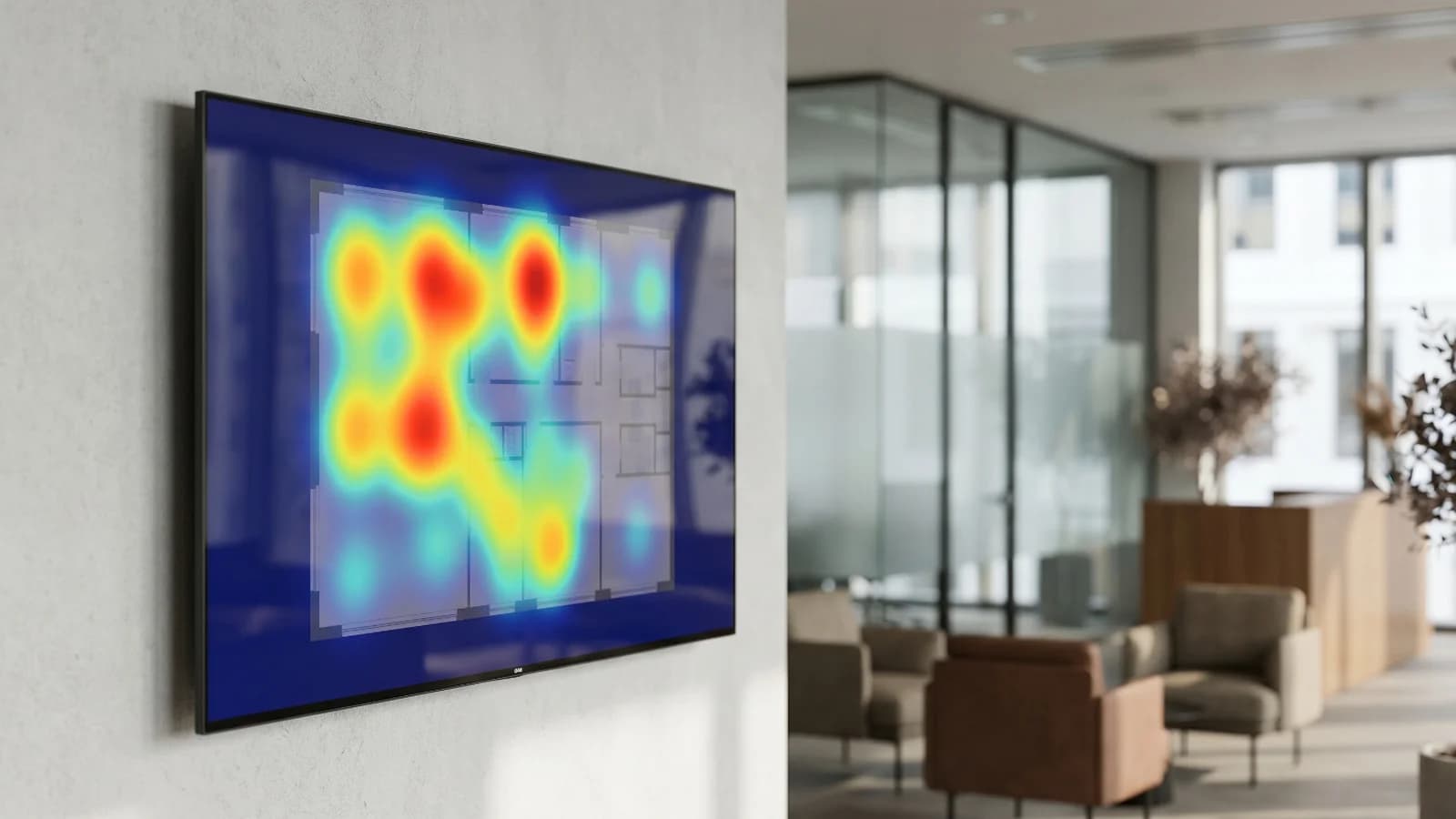
This interview discusses the shift in digital out-of-home (DOOH) from a reach-based to a performance-based medium, necessitated by programmatic buying and AI-driven optimization. The article highlights the requirement for increased data collaboration, clean room infrastructure, and standardized measurement to allow DOOH to compete with other digital advertising channels.
The transition of physical screens into performance-marketing assets forces DOOH operators to bridge the gap between foot traffic estimates and granular purchase attribution. To maintain status on media plans, networks must integrate with external data providers like NielsenIQ and Datonics while adopting privacy-compliant clean room infrastructures. This shift integrates DOOH into the broader omnichannel ecosystem, placing it in direct competition with CTV and social media for bottom-funnel performance dollars. Success now depends on the ability to provide verified audience segmentation rather than simple location presence. Watch for increasing adoption of the IAB’s 2025 DOOH Measurement Guide as a baseline for cross-network standardization.
The push for standardization in the out-of-home sector has intensified following the release of the OAAA and IAB’s updated measurement guidelines in mid-2025. Per eMarketer in February 2026, the industry is moving toward 'impression-based' buying that aligns more closely with digital video metrics. This change is being driven by the rapid expansion of retail media networks (RMNs). For instance, Walmart Connect and Amazon have both aggressively expanded their physical store screen inventory, treating in-store signage as an extension of their digital ad stacks to capture 'point-of-purchase' influence that traditional mobile ads cannot replicate. These retail giants utilize proprietary first-party data to provide the closed-loop measurement that independent DOOH networks currently struggle to match.
Technological integration is also accelerating through server-to-server header bidding for DOOH, a development reported by AdExchanger in April 2026. This allows screen owners to yield-optimize between direct sales and various programmatic DSPs in real-time, much like a website publisher. Meanwhile, privacy regulations are tightening; per IAPP in March 2026, several U.S. states have introduced legislation specifically targeting facial detection and biometric auditing in public spaces. This regulatory environment is making the 'clean room' approach described by Decentriq a technical necessity rather than an optional upgrade, as operators must prove they are measuring audiences without storing identifiable personal data.
Add StreamingMeme as a preferred source on Google to see more of our streaming news at the top of your Search results.
Add as preferred source