
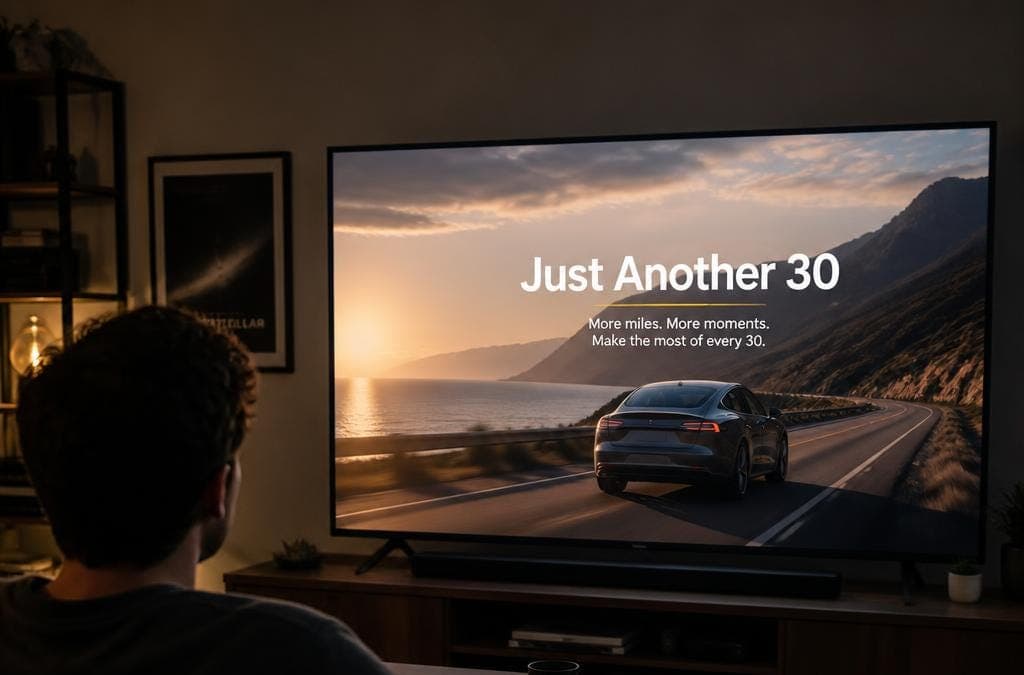
DirecTV executive Matthew Van Houten discusses the push for industry-wide standardization of native CTV ad formats and the adoption of conversion APIs for better performance measurement. The company is actively integrating server-to-server data solutions and AI-driven infrastructure to bridge the gap between television and performance-oriented digital advertising.
The shift toward performance-oriented streaming advertising represents an aggressive move to capture digital budgets traditionally reserved for social and search platforms. By standardizing native formats like pause ads, publishers can finally offer the programmatic scale required by major agencies, moving away from fragmented, one-off executions. For the broader ecosystem, this signals a future where commercial out-of-home screens and home CTV devices are managed through the same performance-based measurement framework. Watch for the 2026-27 Upfront season results to see if the implementation of conversion APIs (CAPIs) leads to a measurable increase in performance-driven spend compared to brand-heavy commitments.
The push for performance-based TV measurement is part of a broader industry shift toward deterministic identity. In April 2026, DirecTV Advertising became the first multichannel video programming distributor (MVPD) to integrate LiveRamp's Conversions API (CAPI) Hub, per reports from DirecTV. This move aims to mitigate signal loss caused by the decline of third-party cookies and browser-based tracking, allowing advertisers to link ad exposure directly to business outcomes on a server-to-server basis. This infrastructure rollout was specifically timed to support negotiations for the 2026-27 Upfront season, where performance-driven accountability has become a primary requirement for buyers.
Contemporaneous research from Go Addressable and Advertiser Perceptions in May 2026 found that 78% of U.S. advertisers expected addressable TV to play a significant role in their Upfront negotiations, up from 67% in 2025. This uptick in interest is supported by a growing consensus on the inaccuracy of probabilistic data; a late 2025 study commissioned by Go Addressable and CIMM found that IP-to-postal address linkages were accurate only 13% of the time. Consequently, major platforms are centering their value propositions on deterministic data sets that offer higher precision for targeting and measurement.
Standardization of creative formats is also reaching a critical inflection point. In late 2025, the IAB Tech Lab released its CTV Ad Portfolio, providing the first formal technical specifications for six non-interruptive formats: Pause, Menu, Screensaver, In-Scene, Squeezebacks, and Overlays, according to Tech Lab documentation. This standardization is designed to eliminate the 'special snowflake' nature of CTV creative, where historically each app required custom-built assets. By establishing a common language for these formats, the industry expects to accelerate programmatic growth, which is projected to reach $38 billion in 2026 per estimates cited by industry analysts in early 2026.
Add StreamingMeme as a preferred source on Google to see more of our streaming news at the top of your Search results.
Add as preferred source