

Deepfakes undermine the evidentiary value of video and audio
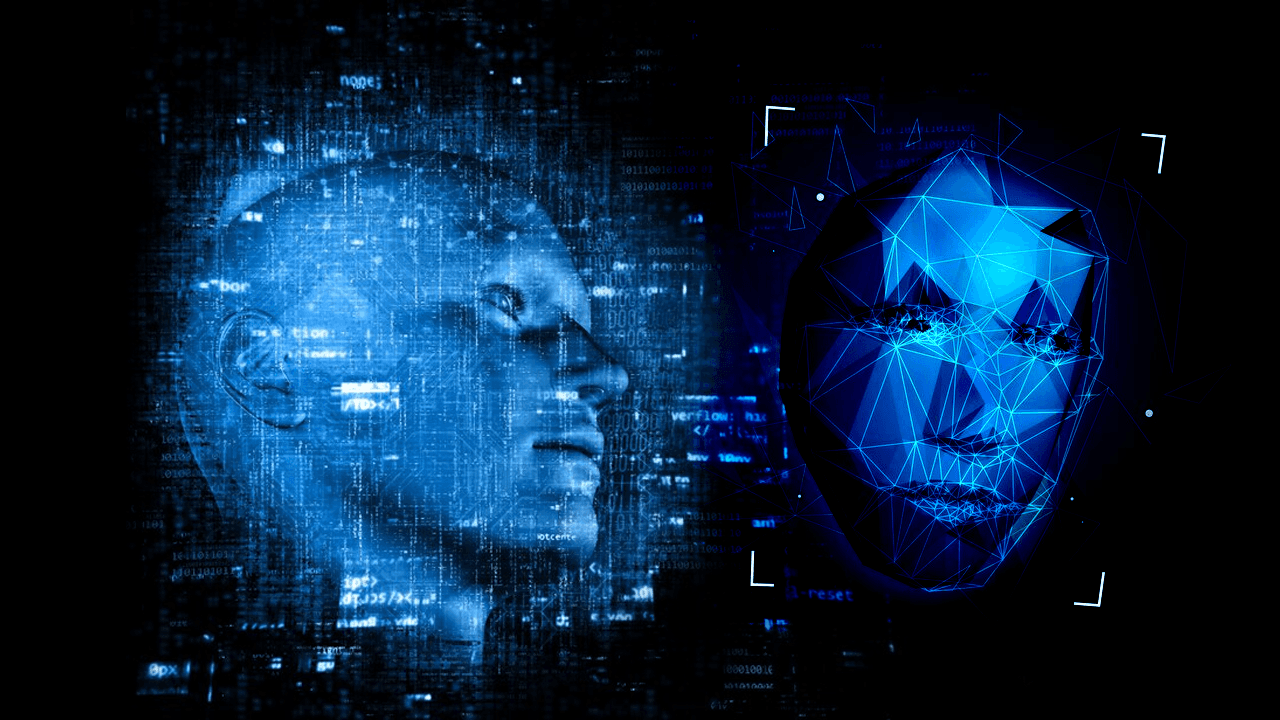
The article discusses the nature of deepfakes and their potential impact on the trustworthiness of visual and auditory evidence. It highlights how deepfakes challenge traditional legal reliance on what people see and hear, signaling a broader societal concern related to synthetic media.
Key Takeaways
- The article says deepfakes are no longer a technological curiosity.
- Traditional law has relied on the trustworthiness of what people hear and see.
- Synthetic video and audio now challenge visual and auditory evidence in legal settings.
Why It Matters
The immediate implication is that video and audio can no longer be treated as automatically trustworthy evidence. That raises a verification problem for legal systems that have historically depended on sight and sound. In the broader streaming and media ecosystem, the article underscores a wider trust issue around synthetic media, not just a technical one. The concrete signal to watch is how courts, publishers, and platforms respond when deepfakes are introduced as evidence or content.
Read full article at livelaw.in
Enjoy our coverage?
Add StreamingMeme as a preferred source on Google to see more of our streaming news at the top of your Search results.
Add as preferred source