
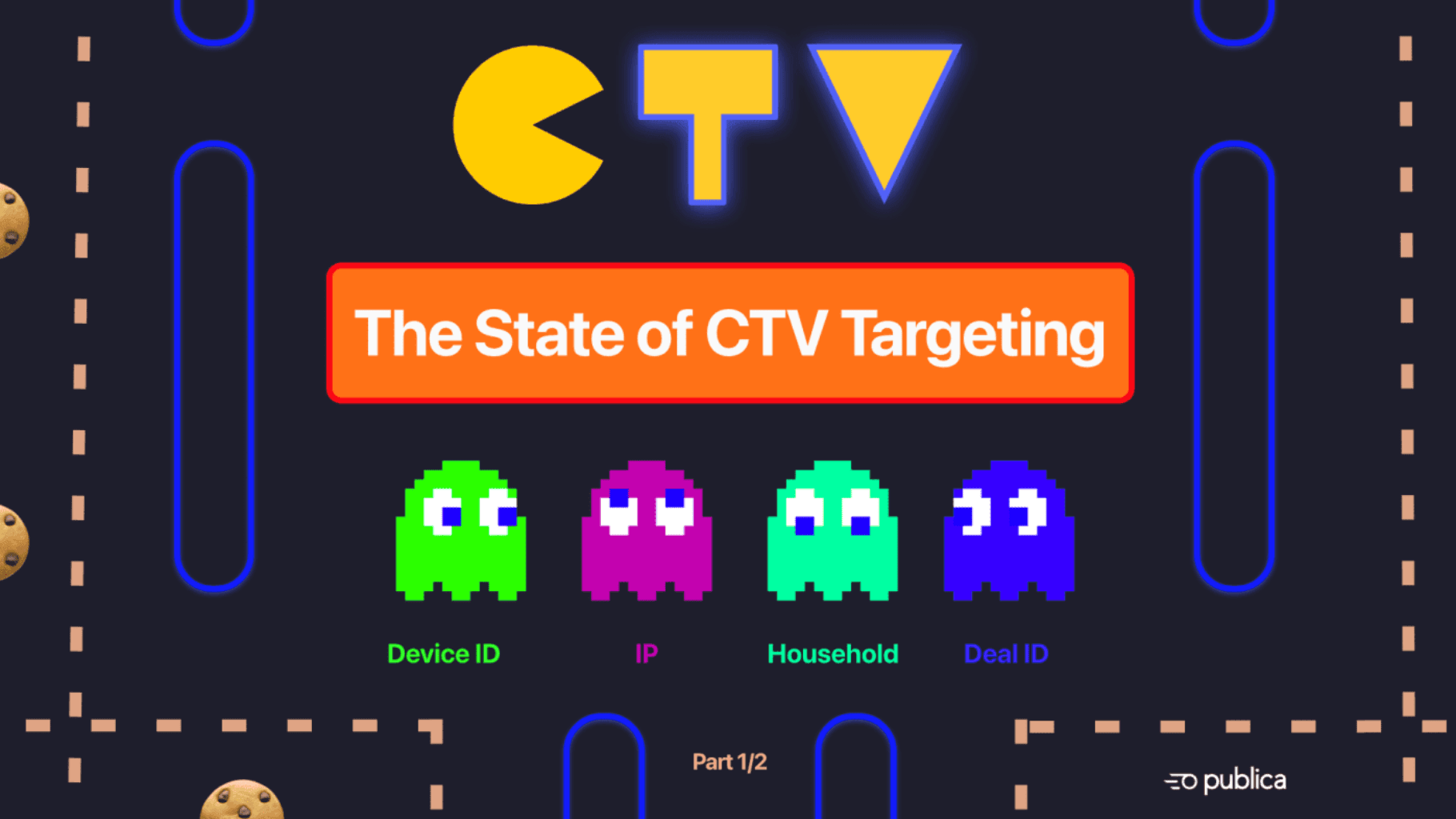
This article discusses the state of CTV targeting as privacy regulations impact traditional digital identifiers like third-party cookies. It outlines how CTV publishers can utilize first-party data, ad-podding technology, and contextual data to improve monetization in programmatic environments.
The resilience of hardware-level identifiers positions CTV as the primary alternative for programmatic budgets fleeing the high churn of mobile and display identity. While mobile operating systems and browsers have restricted tracking via IDFA and cookies, the CTV stack’s reliance on stable, manufacturer-controlled IDs allows for persistent household-level measurement and attribution. This stability is driving a shift toward data-enriched private marketplaces (PMPs) where publishers can monetize first-party viewer data without the immediate threat of signal obfuscation. However, the ecosystem remains vulnerable if smart TV manufacturers eventually follow Apple and Google’s lead by restricting IP address visibility or rotating device identifiers.
CTV advertising's reliance on deterministic device identifiers such as Roku's RIDA, Samsung's TIFA, Amazon's AFAI, and Vizio's VIDA has drawn increasing scrutiny from privacy regulators and platform operators alike. Publica's analysis aligns with this broader industry concern that CTV publishers must build first-party data strategies before platform-level restrictions arrive.
The competitive dynamics among CTV platform operators are intensifying as each builds proprietary demand infrastructure. Roku captured 39% market share of CTV devices in the United States, with Amazon close behind at 30%, and both companies now operate their own DSPs following acquisitions. Samsung similarly launched its own demand-side platform after acquiring AdGear, giving programmatic buyers access to exclusive CTV inventory and targeted audiences from across 45 million households. These walled-garden dynamics mean that CTV publishers outside the major platform ecosystems must differentiate through data enrichment and private marketplace offerings to capture programmatic budgets.
CTV ad spend has grown substantially as advertisers migrate budgets from channels facing identity signal loss. Publica expanded its partnership with LiveRamp to enable people-based CTV campaigns across streaming publishers, allowing publishers to surface audience-based PMPs with the LiveRamp identifier to buy-side partners. CTV ad spend was expected to top $10 billion according to eMarketer projections cited in that announcement, underscoring the scale of budgets flowing into addressable TV environments where persistent identifiers remain operational. The partnership addresses a persistent challenge in CTV: the lack of a common user identification standard across OpenRTB bid requests, which complicates cross-app frequency management for advertisers.
Add StreamingMeme as a preferred source on Google to see more of our streaming news at the top of your Search results.
Add as preferred source