

Consolidation and microdramas dominate strategic debates at NEM Dubrovnik 2026
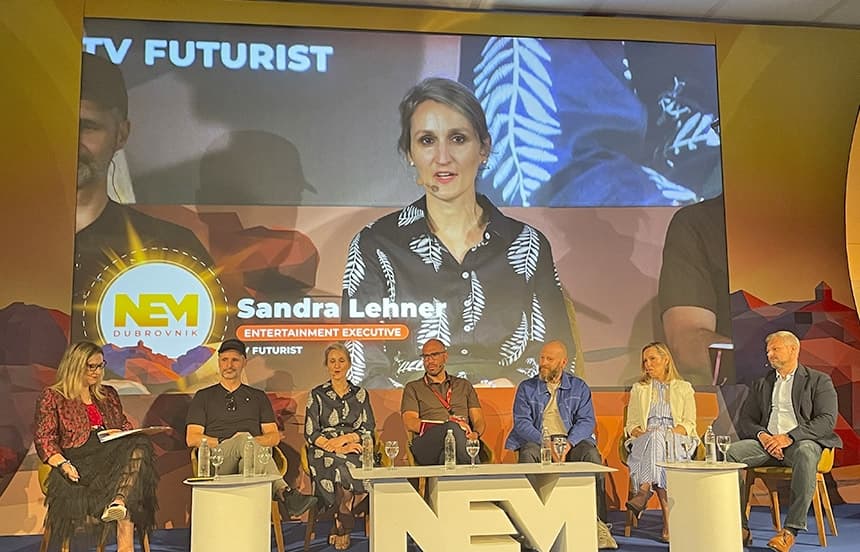
NEM Dubrovnik 2026 discussions highlighted media consolidation, the growing role of YouTube as a distribution platform, and the rise of microdramas. Experts discussed strategies for monetizing content on YouTube, leveraging AI for localized content and enhanced discovery, and the potential impact of short-form microdramas, particularly in the CEE region.
Key Takeaways
- YouTube has surpassed Netflix in U.S. TV watch time, capturing 13.9% of viewing compared to 8.9% for the leading streamer.
- Global microdrama revenues are projected to hit $14 billion by 2026, with $3 billion generated outside of China.
- Potential mega-mergers, such as a Warner Bros. Discovery and Paramount combination, are viewed as essential scale-building moves to compete with tech giants.
- AI is being deployed to automate localized dubbing and intent-based content discovery, aiming to reduce the average viewer's 18-minute daily browsing fatigue.
- Connected TVs now account for 40% to 60% of total YouTube watch time, blurring the technical boundary between social video and traditional broadcast.
Why It Matters
The streaming industry is pivoting from a 'subscriber-at-all-costs' model toward a survival strategy built on extreme scale and diversified formats. For broadcasters, the move toward YouTube and microdramas represents a necessary hedge against aging demographics and the dominance of tech-native giants like Meta. This shift forces legacy players to accept lower CPMs in exchange for massive reach, essentially turning global platforms into the new secondary windows for premium IP. Watch for whether independent producers can maintain creative leverage as horizontal consolidation restricts pluralism and concentrates buying power among fewer, data-driven 'industrial superpowers.'
Additional Context
The strategic anxiety at NEM Dubrovnik mirrors broader shifts as global video revenues are projected to surpass $1.2 trillion. Per Omdia (June 2026), Netflix is forecast to approach 400 million subscribers by 2031, yet the platform faces increasing pressure from a consolidating middle market. The finalized $111 billion merger between Paramount and Warner Bros. Discovery, reported by GuruFocus (June 2026), represents a radical attempt to bridge content gaps, despite facing antitrust scrutiny from the UK's Competition and Markets Authority and US regulators who fear a 'reduction in media pluralism.'
Beyond corporate M&A, the microdrama market reached an estimated $18 billion globally in 2025, according to China Daily (June 2026). While China accounts for roughly 78% of this total, the expansion of AI-driven 'short drama industrial bases' in regions like Hainan is accelerating the export of localized vertical content to Western audiences. This format shift is supported by changing hardware habits; Digital i research (June 2026) shows average daily YouTube viewing per account rose to 99.1 minutes in 2025, while Netflix viewing dropped to 93.4 minutes, marking the first time the platform leads in pure attention across 20 international markets.
Technologically, the industry is moving toward 'intent-based' rather than 'keyword-based' search. Google reported in mid-2026 that multimodal AI is now capable of frame-by-frame video analysis to generate deeper metadata, a move aimed at solving the discovery bottleneck. However, as noted by the European Audiovisual Observatory, this reliance on global platform algorithms creates a 'permanent structural dependency' for European broadcasters, who risk losing direct data relationships with their local viewers in exchange for short-term reach on global networks.
Read full article at senalnews.com
Enjoy our coverage?
Add StreamingMeme as a preferred source on Google to see more of our streaming news at the top of your Search results.
Add as preferred source