
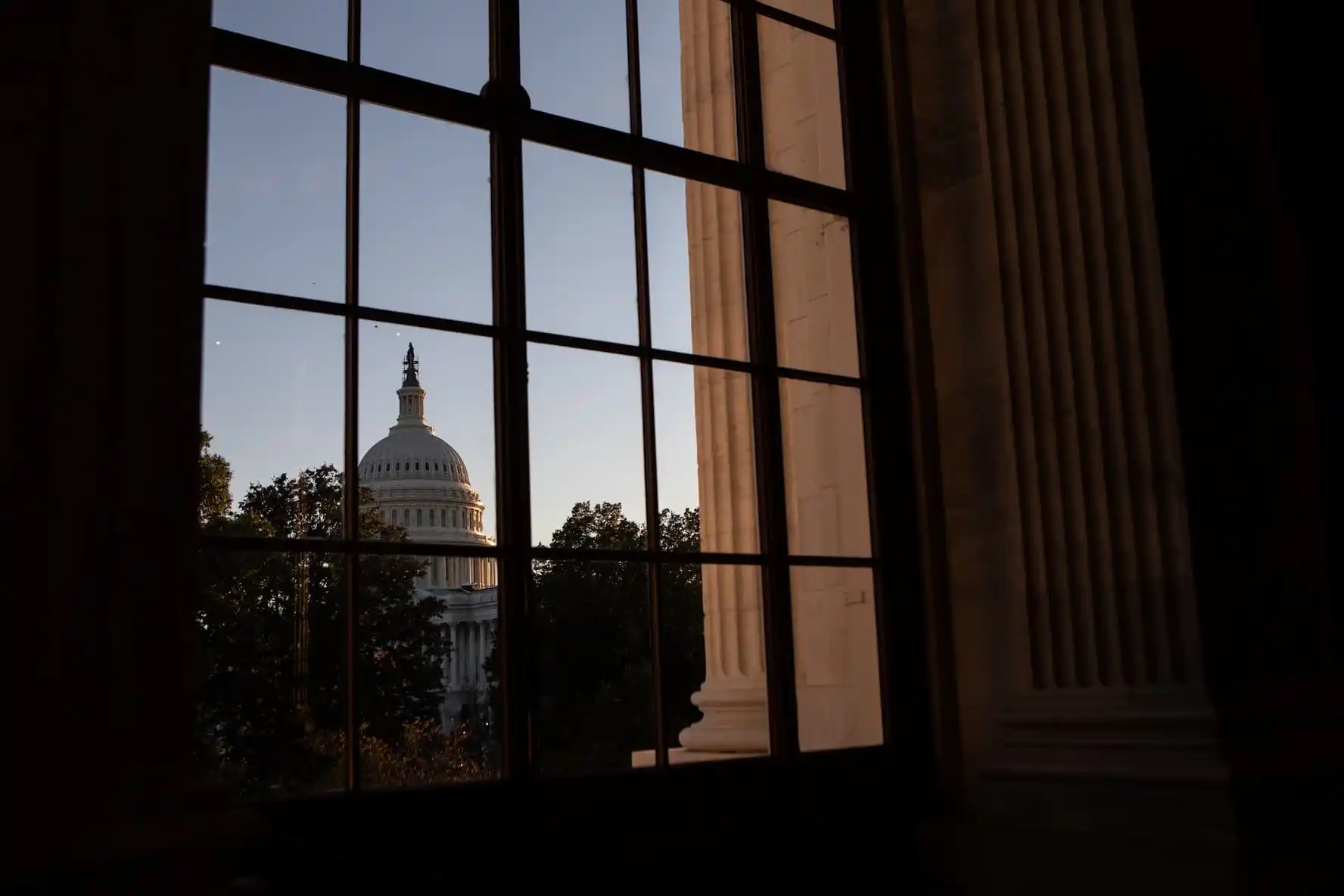
The Brookings Institution advocates for Congress to pass the Great American AI Act, which proposes mandatory third-party audits and federal licensing for frontier AI models. The proposal aims to standardize regulatory requirements for cybersecurity, biological risk mitigation, and autonomous control, replacing current ad hoc executive actions with predictable federal standards.
Federalizing AI oversight provides the regulatory certainty required for long-term infrastructure investment in the video and tech sectors. By shifting governance from ad hoc executive directives to predictable statutory law, companies can avoid the sudden service disruptions seen in recent months. For the streaming ecosystem, this establishes a clear accountability chain for the generative models increasingly integrated into production and distribution. The move also signals a pivot away from purely compute-based regulation toward risk-based assessments, which could lower barriers for specialized models. Watch for whether the 'developer-deployer' loophole is closed in final legislative drafts to ensure platform compliance.
The push for federal legislation follows a period of extreme regulatory volatility. On June 12, 2026, the U.S. Department of Commerce effectively triggered a global 'kill switch' by issuing an export control directive to Anthropic. Citing national security concerns, the order barred access to the newly released Fable 5 and Mythos 5 models by any foreign national. Because Anthropic could not reliably verify the citizenship of its global user base in real time, it was forced to disable both models entirely just three days after their launch. This move drew sharp criticism at the June 2026 G7 summit in Évian, France, where President Emmanuel Macron warned that international partners might reject U.S.-made models if access could be revoked unilaterally on short notice, according to reporting from the Peterson Institute for International Economics in July 2026.
Simultaneously, states have moved to fill the federal vacuum with their own mandates. On July 6, 2026, Illinois Governor JB Pritzker signed the Artificial Intelligence Safety Measures Act (SB 315), making Illinois the first state to legally require annual third-party audits of frontier AI safety practices. Per StateScoop, the law received backing from industry leaders including Anthropic and OpenAI, who have shifted toward supporting structured verification. However, trade groups like NetChoice and the Chamber of Progress have opposed the measure, arguing that the lack of certified auditors and standardized methodologies makes such mandates premature. The Great American AI Act aims to resolve these local discrepancies by establishing a unified national standard for transparency and risk reporting. Meanwhile, international bodies are also adjusting their frameworks, with EU AI Act compliance for high-risk systems currently being recalibrated.
Add StreamingMeme as a preferred source on Google to see more of our streaming news at the top of your Search results.
Add as preferred source