
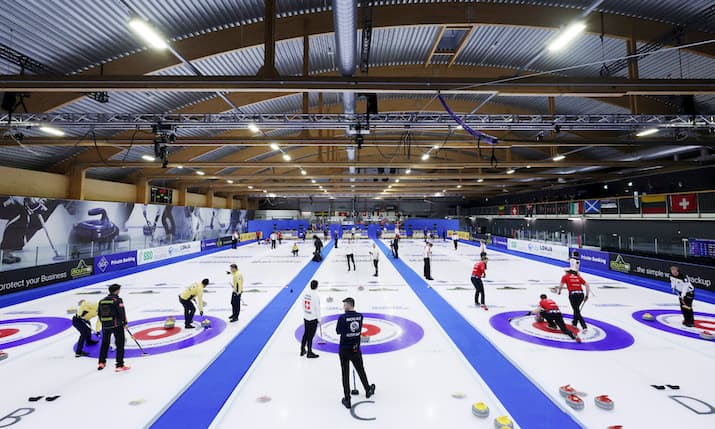
This article discusses the shift from traditional satellite distribution to cloud-native and IP-based workflows for niche sports broadcasting. It highlights how these technologies allow smaller rights holders to scale production and distribution globally without significant capital expenditure.
The transition from satellite to IP-based delivery democratizes global distribution for mid-tier rights holders who previously lacked the capital for international expansion. By decoupling production from physical truck-and-satellite constraints, these organizations can monetize fragments of their audience across disparate geographies. This shift increases the supply of live inventory in the streaming ecosystem, intensifying competition for mid-tier sports aggregators and specialized FAST channels. Strategists should monitor if this technical flexibility leads to more non-exclusive rights deals, as cloud workflows allow for simultaneous, low-friction delivery to multiple regional platforms. The key indicator of success will be the volume of archive-based monetization among these rights holders in 2027.
The surge in niche sports monetization is reflected in recent market data. Per Ampere Analysis in April 2024, women’s sports alone were projected to break the $1 billion revenue threshold, driven by increased broadcasting accessibility via streaming platforms. This growth matches a broader industry pivot toward specialized content; for instance, the Professional Squash Association (PSA) launched its own OTT service, SQUASHTV, which reported a significant increase in international subscribers following the standardization of its high-definition IP production workflows. Furthermore, per SportsPro Media, June 2024, federations like the International Table Tennis Federation (ITTF) have sought to centralize their media rights to better utilize cloud-based MAM (Media Asset Management) systems for global distribution.
Technological adoption is also accelerating through partnerships between cloud giants and sports tech firms. In May 2024, AWS announced expanded capabilities for its MediaLive service, specifically targeting low-latency streaming for live sporting events, which reduces the delay previously associated with IP delivery compared to satellite. Simultaneously, EVS and Grass Valley have introduced subscription-based models for their production suites, per TV Technology, March 2024, enabling smaller leagues to access professional-grade replay and switching tools without the upfront costs of hardware. These financial and technical shifts are essential for sports like padel and pickleball, which require rapid scalability to capture short-lived viral trends in athlete popularity and regional interest.
Add StreamingMeme as a preferred source on Google to see more of our streaming news at the top of your Search results.
Add as preferred source