

Cinergy Mobile Power launches diesel-free production energy solution in South Africa
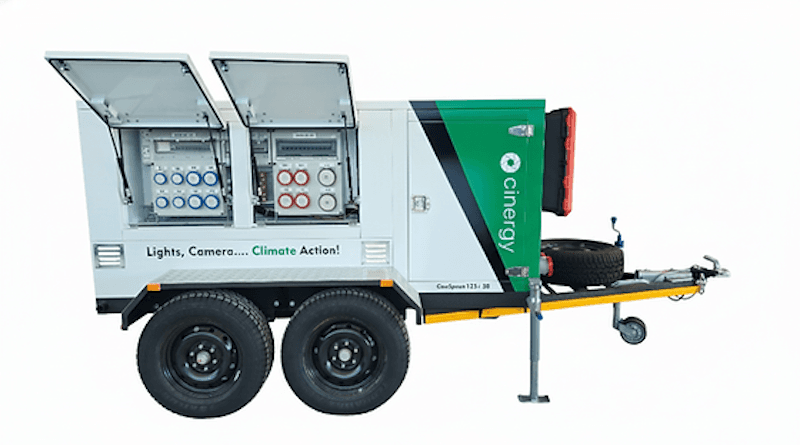
South African startup Cinergy Mobile Power has launched modular LFP battery and solar-hybrid systems designed to replace diesel generators for film and television production. Major studios, including Netflix and ITV Studios, have utilized the technology to reduce emissions and operational energy costs on location.
Key Takeaways
- Cinergy’s CineVault (400 kWh) and CineRay (150 kW) systems powered the first solar-based film camp in Africa for Netflix's One Piece Season 2.
- ITV Studios utilized the fuel-free battery systems to operate a temporary outdoor reality TV studio in Mpumalanga for one week.
- Climate-focused VC firm Holocene committed ZAR 8 million in seed funding to support Cinergy’s expansion and logistics scaling.
- The systems utilize high-performance LFP battery solutions manufactured locally by Freedom Won, a South African energy storage producer.
Why It Matters
The transition to clean mobile power addresses a critical B2B bottleneck in South Africa, where power provision accounts for an estimated 10–15% of foreign film investment. As major streamers like Netflix commit to halving operational emissions by 2030, localized independent energy infrastructure becomes a logistical requirement for maintaining global production competitiveness. This shifts energy from a variable cost to a strategic production asset, enabling silent operations in locations previously restricted by noise or air quality bylaws. Watch for major production hubs like Cape Town Film Studios to potentially integrate these systems as standard facility offerings rather than third-party rentals.
Additional Context
The rollout of dedicated clean energy for production aligns with broader Hollywood sustainability mandates. According to RMI and the Clean Mobile Power Initiative (CMPI) in December 2025, diesel generators typically account for 15% of a production's carbon footprint. Netflix reported in June 2026 that it successfully deployed grid tie-ins across 80% of its directly managed productions in 2025, though mobile battery and hydrogen units remain essential for off-grid location filming. Per Trellis, December 2025, Amazon MGM Studios recently trialed a similar 'Solar Ring' system for its series Fallout, powering 14 basecamp trailers over 20 weeks to substitute traditional diesel electrification.
In South Africa, these sustainability upgrades come as the industry faces administrative pressures. Per Screen Daily, May 2026, the South African Department of Trade and Industry was urged to reform its film incentive program following protests over delayed rebate payments. While the region remains a premier location—attracting ZAR 2.52 billion in foreign production investment between late 2023 and mid-2024—local producers and government officials are currently negotiating a new 'blended' incentive model to ensure the sector's long-term financial viability.
Global efforts are also standardizing how these emissions are tracked. The Sustainable Entertainment Alliance, which relaunched in 2024, now integrates carbon calculators and clean vendor guides into its Green Production Guide. Sony Pictures Entertainment, for example, reported in June 2026 that its long-running drama Outlander achieved a 65% reduction in its carbon footprint over 11 years using these standardized tools. This industry-wide pressure for verifiable data confirms why Cinergy's inclusion of real-time monitoring and energy usage insights is a core competitive feature rather than a secondary benefit.
Read full article at cleantechnica.com
Enjoy our coverage?
Add StreamingMeme as a preferred source on Google to see more of our streaming news at the top of your Search results.
Add as preferred source