
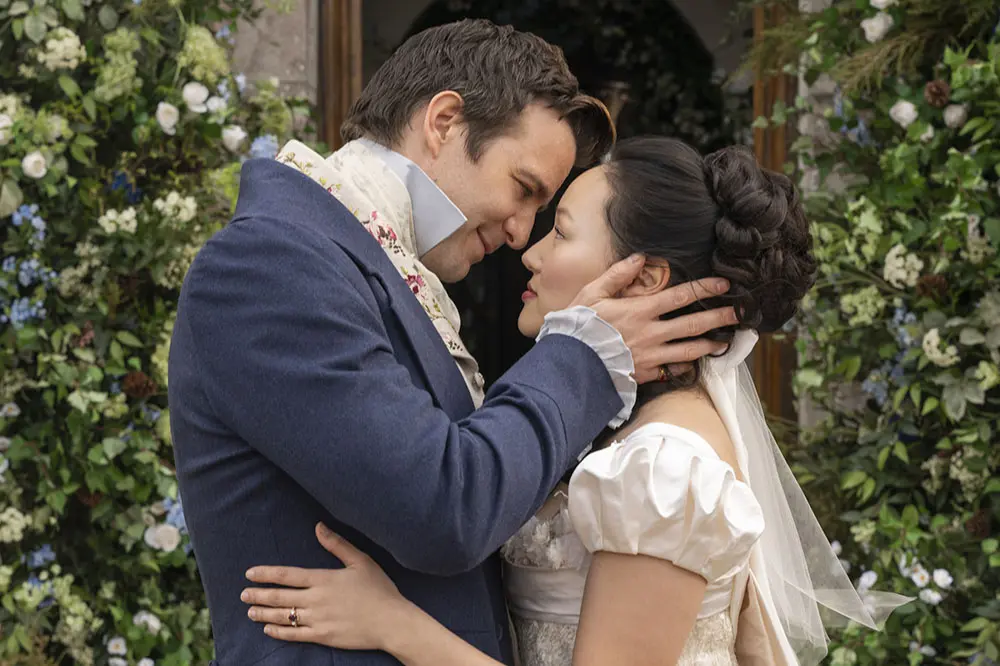
Cinematographer Alicia Robbins, ASC, discusses her work on Netflix's Bridgerton Season 4, detailing the technical and creative decisions behind the production. She highlights the use of Sony Venice 2 cameras and ARRI Signature Primes, along with a detailed workflow involving DITs and custom LUTs, to achieve the show's aesthetic. The article provides insight into production techniques for a major streaming series, including lighting, camera movement, and collaboration with post-production.
The technical evolution of Bridgerton highlights Netflix's commitment to ultra-high-definition standards and specialized workflows for its flagship intellectual properties. By switching to the 8K-capable Venice 2 and maintaining long-term collaboration with post-production partners like Picture Shop, Netflix ensures visual consistency across multi-year production cycles. For the broader ecosystem, this emphasizes the importance of hardware-agnostic flexibility and tailored DIT workflows in managing the logistical scale of high-budget streaming dramas. Industry observers should monitor how these production efficiencies impact Netflix's roughly two-year release cadence for premium period content.
The technical shift for Season 4 aligns with Netflix’s broader mandate for 4K-native capture and HDR delivery, a requirement that has historically shaped the series' camera selection. Per Sony Cine in February 2022, the series first adopted the Sony Venice system because the ARRI Alexa models available at the time of the Season 1 launch did not meet Netflix’s native 4K resolution standards. This hardware choice has since become foundational to the show's ability to film diverse skin tones and complex candlelit scenes using a base ISO of 2,500.
Netflix officially confirmed in October 2025 that Season 4 will follow the two-part release strategy successfully piloted during Season 3. According to What’s on Netflix, Part 1 is scheduled for January 29, 2026, followed by Part 2 on February 26, 2026. This staggered deployment aims to maximize audience engagement and sustain viewership rankings, as the series remains the only franchise to hold three separate spots on the Netflix all-time most-watched list.
Production for the upcoming season wrapped in June 2025 following an eight-month filming block in the United Kingdom, as reported by Forbes. Despite efforts by showrunner Jess Brownell to expedite production, the series maintains a roughly two-year pace due to the extensive post-production requirements, including dubbing and visual effects. Moving forward, Shondaland has already secured a renewal for Season 5, with filming reportedly expected to begin in spring 2026, continuing the show's high-budget production cycle estimated at $80 million per season.
Add StreamingMeme as a preferred source on Google to see more of our streaming news at the top of your Search results.
Add as preferred source