

China forces credential checks for influencer advice topics
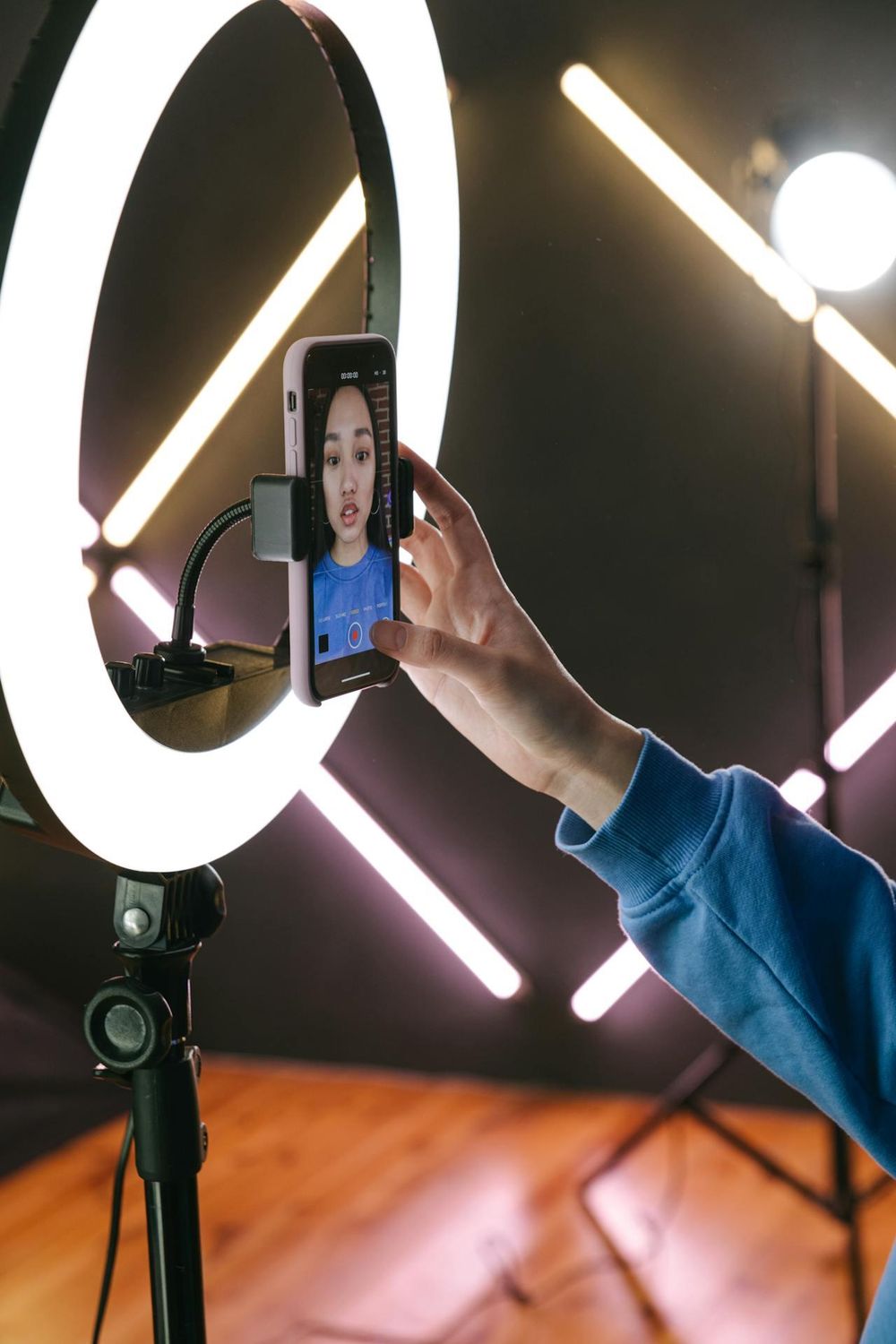
China has implemented a new law, effective October 25, requiring influencers to hold formal qualifications in fields like medicine, law, education, or finance to discuss these professional topics. The Cyberspace Administration of China (CAC) introduced this mandate to combat misinformation, with platforms like Douyin, Bilibili, and Weibo responsible for verifying influencer credentials and ensuring proper content citations. The law also bans advertising for medical services and products to curb disguised covert promotions.
Key Takeaways
- The rule applies to regulated topics including medicine, law, education, and finance.
- Influencers must show a degree, certification, or other professional credentials before posting on those topics.
- Douyin, Bilibili, and Weibo are responsible for verifying influencer credentials and checking citations.
- Creators must disclose when information comes from studies or includes AI-generated dramatization.
- The Cyberspace Administration of China also banned advertising for medical services, supplements, and health foods.
Why It Matters
China is now pushing more of the verification burden onto platforms, not just creators. For Douyin, Bilibili, and Weibo, that means credential checks, citation policing, and limits on medical-advertising content all become part of content governance. The broader signal is that regulated advice is being treated more like licensed publishing than open social posting. What to watch: whether the platforms start issuing public enforcement updates, including account suspensions, closures, or fines tied to these new rules.
Read full article at iol.co.za
Get this in your inbox → Subscribe
Enjoy our coverage?
Add StreamingMeme as a preferred source on Google to see more of our streaming news at the top of your Search results.
Add as preferred source