

Browser-based AI video translation tools challenge traditional studio localization workflows
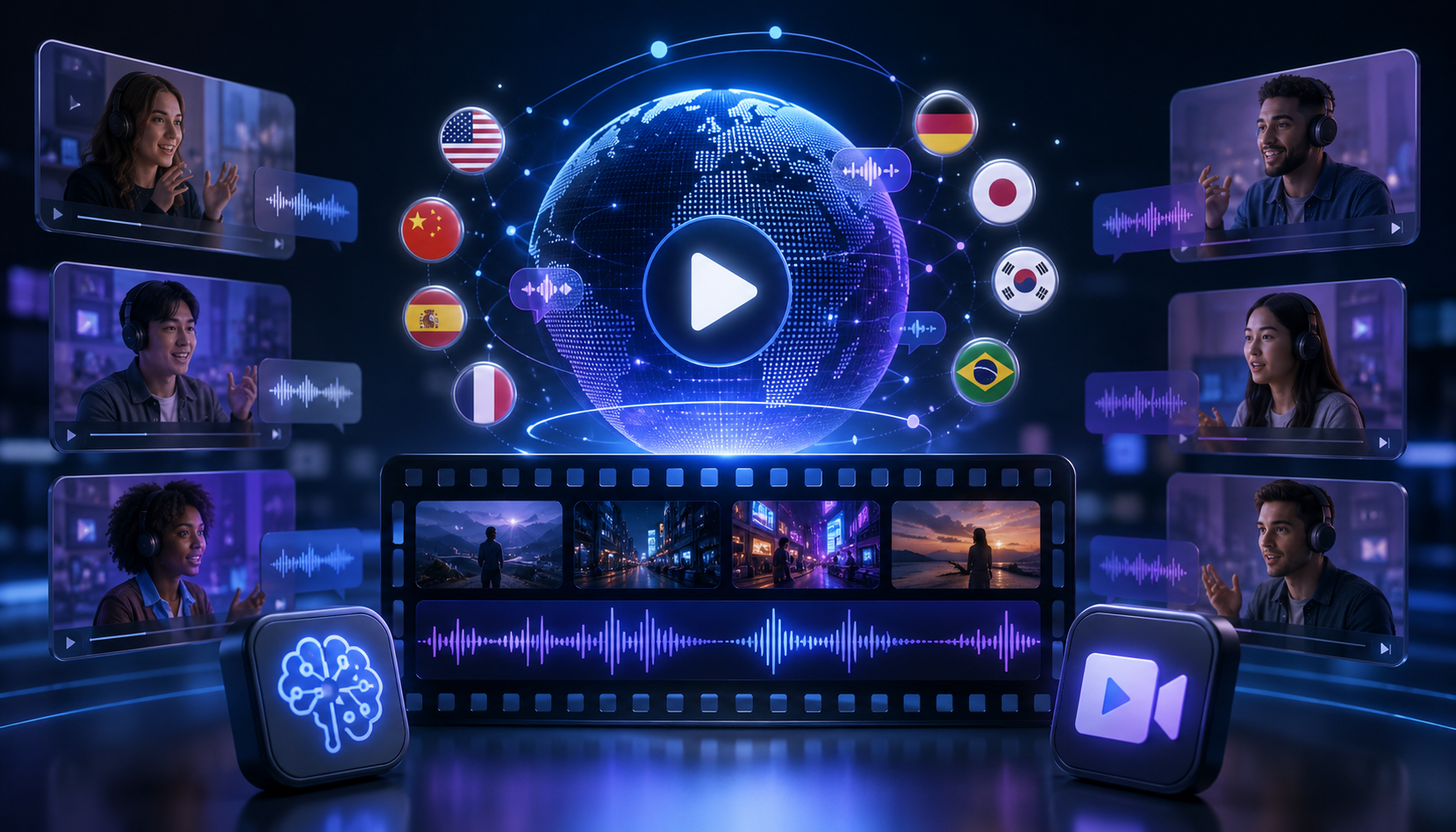
The article discusses the rise of zero-friction AI video translation and dubbing services like AIVideoTranslator.ai, which allow creators to localize content instantly in their browsers without sign-ups or watermarks. These tools are gaining popularity for their speed, privacy, and simplicity, enabling broader global reach for video creators.
Key Takeaways
- AIVideoTranslator.ai processes MP4, WebM, and OGG files entirely within the browser to enhance user privacy.
- The zero-friction workflow generates localized videos with pro-grade lip-syncing in roughly 1-2 minutes.
- Creators are shifting toward anonymous, sign-up-free tools to avoid locked exports and slow rendering queues.
- Modern AI dubbing tools now maintain original pacing and vocal expression without requiring expensive studio sessions.
Why It Matters
The rise of browser-based localization signals a move toward decentralized, real-time media processing. For the streaming industry, this lowers the barrier to entry for international market testing by eliminating the overhead of traditional dubbing agencies. By removing account walls and watermarks, these tools commoditize high-quality lip-sync and translation technology for independent creators and small marketing teams. This shift forces established localization vendors to compete on speed and accessibility rather than just scale. Watch for whether enterprise-grade security features begin migrating into these lightweight, ‘anonymous’ browser platforms to capture corporate spend.
Additional Context
The democratization of video localization coincides with a sharp drop in production costs and a surge in non-native viewership. Per Statista and industry reporting from June 2026, AI-driven dubbing and translation have reduced localization expenses by approximately 80% to 91% compared to traditional studio methods. While manual agency work can cost upward of $10,000 per video, AI dubbs are now priced as low as $0.12 per second. This economic shift is critical as YouTube reports that roughly 67% of watch time for major channels now originates outside a creator's home country. Market leaders like HeyGen and ElevenLabs are also moving toward deeper integration and real-time capabilities. Per HeyGen’s June 2024 updates, new 'HyperFrames' technology allows creators to generate video directly from HTML markup, while its 'Avatar V' model achieves near-instant lip-sync and motion synchronization. Similarly, Deloitte reported in 2026 that nearly half of multinational corporations have deployed AI-powered real-time translation for internal communications, a significant increase from just 12% in 2023. This indicates that while browser-based tools serve the creator economy, the underlying technology is rapidly becoming a standard enterprise utility. Technological advancement is also shifting toward multimodal and emotional authenticity. Recent models now support over 100 languages and can replicate specific emotional nuances and regional accents. Per ViVideo AI research, the global video localization market reached $4.02 billion in 2026, driven by an $9.1 billion spend in AI-assisted video advertising. As tools like AIVideoTranslator.ai eliminate technical friction, the industry focus is migrating from simple text-to-speech outputs to 'neural dubbing'—a standard that preserves the original speaker's unique vocal characteristics while matching mouth movements perfectly.
Read full article at aijourn.com
Get this in your inbox → Subscribe
Enjoy our coverage?
Add StreamingMeme as a preferred source on Google to see more of our streaming news at the top of your Search results.
Add as preferred source